
Vandaag of morgen in huis

Kwaliteit gegarandeerd

Welkomstaanbiedingen ontgrendelen: GRATIS bezorging | Tot 80% korting | Gratis 30 dagen JoyPlus-proefperiode
Download de app
As a gamer, you want to fully immerse yourself in the game, not waste time swapping cables or reconnecting devices. You play on your PC, jump over to the PS5, and listen to music on your phone on the go. The hassle of juggling different headsets for each platform is all too familiar. A high-quality wireless gaming headset that seamlessly switches between your devices isn't a luxury—it's a necessity.
In this article, we'll guide you through the process. We'll cover what to look for when making your choice and highlight several popular models that excel in versatility and performance. This will help you find a headset that perfectly matches your setup.
The specifications can be overwhelming. To keep things simple, we'll focus on three key factors that make a real difference to your gaming experience.
The way your headset connects determines its performance.
Always check if the headset is compatible with your systems. A headset that works with a PC won't automatically work with a PlayStation 5 or Nintendo Switch. Manufacturers clearly state which platforms the headset is designed for. If you're specifically looking for a wireless PS5 headset, look for "Compatible with PS5" in the product details.
For an immersive experience, audio performance is essential. Many gaming headsets use 50mm drivers, which deliver rich, powerful sound with deep bass. Features like virtual surround sound can help you pinpoint the position of your opponents more accurately. Additionally, a clear headset with a microphone is indispensable for team communication. A noise-cancelling microphone filters out background noise, ensuring your teammates hear you loud and clear.
Based on specifications and versatility, we've selected a few models that offer a great balance for gamers who play across multiple platforms.

Why It Stands Out: The ONIKUMA GT802 combines a futuristic "space-capsule" design with tri-mode connectivity, making it an extremely flexible choice for almost any situation.
Key Features:
Who Is It For? For the gamer who wants a single headset for all their devices and values a striking design with RGB lighting.
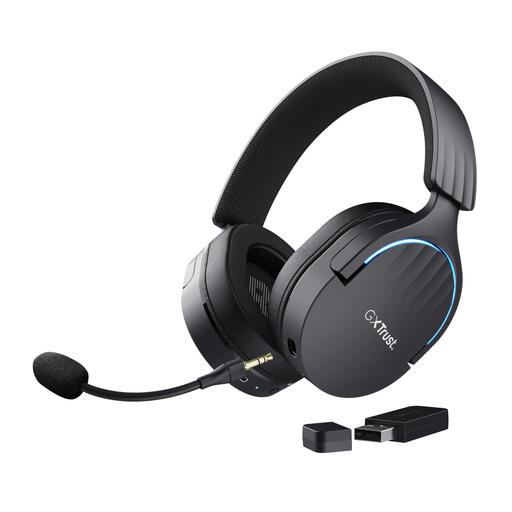
Why It Stands Out: The Trust GXT 491 Fayzo focuses on functionality and sustainability. Its dual-wireless feature, which lets you listen to your console and phone simultaneously, is a major practical advantage.
Key Features:
Who Is It For? For the gamer who prioritises functionality and sustainability and wants the flexibility to mix audio from two devices at once.
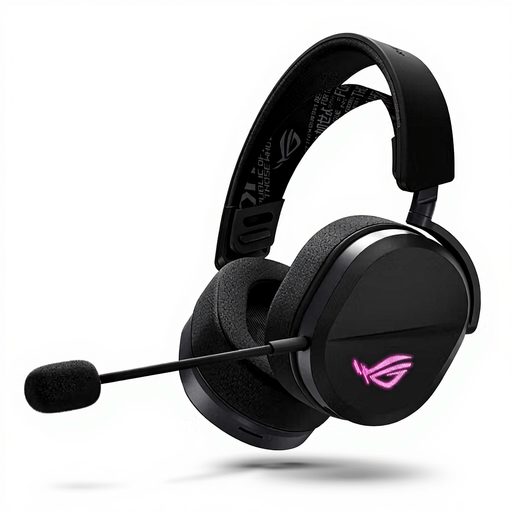
Why It Stands Out: As part of the renowned Republic of Gamers (ROG) line from ASUS, the Pelta stands for performance and broad compatibility. Its fast-charging feature is a practical bonus for those who need to get back in the game quickly.
Key Features:
Who Is It For? For the serious gamer seeking a reliable, high-performance gaming headset from an established brand, with maximum compatibility and the convenience of fast charging.
A wireless headset offers incredible freedom, but sometimes a stable, wired connection is exactly what you need. If you're looking for a headset that never needs charging and always maintains a perfectly stable connection, check out our selection of Wired USB Headsets for more options.
1. What is the difference between 2.4GHz and Bluetooth for a gaming headset? A 2.4GHz connection via a USB dongle offers much lower latency (delay) than Bluetooth. This is essential for competitive gaming. Bluetooth is more convenient for connecting to mobile devices and for media consumption but can have a noticeable delay in fast-paced games.
2. Can I use a wireless gaming headset on multiple devices at the same time? Some headsets, like the Trust GXT 491 Fayzo, support "dual-wireless" or "simultaneous audio." This allows you to be connected to your console via 2.4GHz and to your phone via Bluetooth at the same time. However, most headsets require you to manually switch between 2.4GHz and Bluetooth modes.
3. How important are 50mm drivers in a gaming headset? Drivers are the speakers inside your headset. Larger drivers, such as 50mm, can move more air and therefore often produce a more powerful and richer sound with better bass response than smaller drivers. This contributes to a more immersive audio experience.
