
Livraison le jour même et le lendemain

Qualité garantie

Débloquez vos offres de bienvenue: Livraison GRATUITE | Jusqu'à -80 % | 30 jours d'essai gratuits à JoyPlus
Téléchargez l'application
Wet wipes have become a staple in many households, offering convenience for personal care, baby changes, or a quick cleanup. But the market is flooded with options, and not every wipe lives up to its promise. Many consumers are faced with marketing claims that cause problems in practice. Before you make a purchase, it's helpful to know the most common pitfalls.
The three main mistakes to watch out for:
To avoid wasting money on subpar products, there are a few objective specifications you can check. These features determine the functionality and safety of wet wipes.
The composition of a wipe is crucial. Many cheaper options contain plastic (like polyester), which makes them strong but not biodegradable. If you want to make an eco-conscious choice, look for biodegradable wipes, which are often made from plant-based fibres like cellulose or viscose.
For moist toilet tissue, flushability is the most important factor. Look for a mention of the INDA/EDANA standard. This is an international standard that guarantees the wipes break down quickly enough in water to not burden sewer systems. Wipes without this certification belong in the bin, regardless of what the packaging claims. Cleaning wipes and most baby wipes are almost never flushable.
Especially for personal care products like baby wipes for sensitive skin or refreshing wipes, the ingredients list is of great importance. A reliable product for sensitive skin has the following characteristics:
Not all wet wipes are the same. All-purpose cleaning wipes contain detergents that are not suitable for the skin. Refreshing wipes are intended for hands and face, while moist toilet tissue is specifically designed for use after using the toilet. Choose a product that fits its purpose. Also, pay attention to the packaging. A hard plastic lid often seals better than a simple sticker, keeping the wipes moist for longer. For heavy users, a bulk pack of wet wipes can be a smart and economical choice.
Based on product features and intended use, we have selected a number of options that suit different needs.
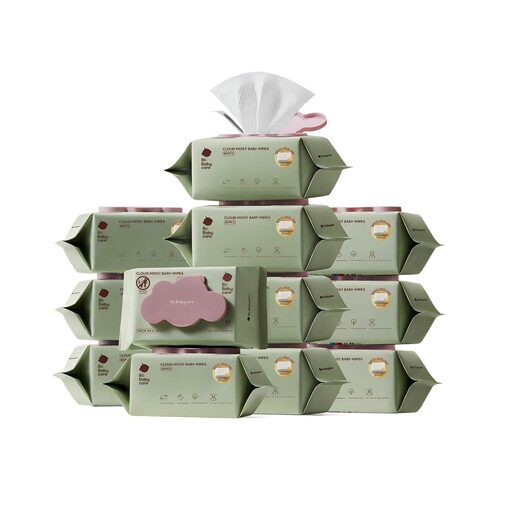
Why This Fits Their Persona: For parents, a reliable, soft, and safe wipe for their baby's skin is essential. This value pack provides a large supply of wipes specially designed for the most sensitive skin.
These wipes bypass the 'sensitive skin' deception. They are fragrance-free, made of 99% purified water, and are OEKO-TEX certified, which confirms the absence of harmful substances.
According to the manufacturer, the material is 3 times thicker than standard wipes, preventing them from tearing. The wipes are made from 100% biodegradable, plastic-free fibres.
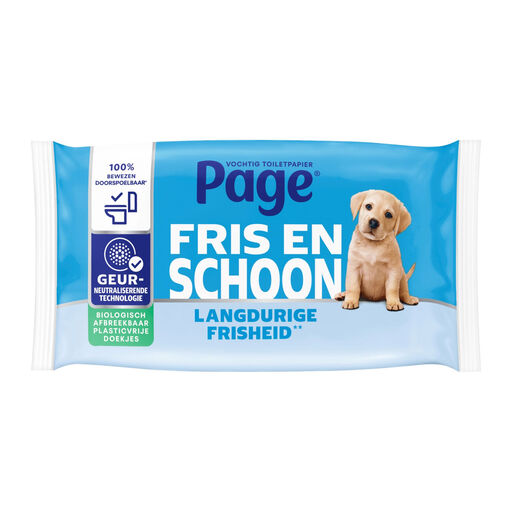
Why This Fits Their Persona: Anyone looking for a hygienic feeling while also making a responsible choice will find a good match here. This product combines functionality with environmental awareness.
This product tackles the 'flushable' trap head-on. Page explicitly states that the wipes meet the international INDA/EDANA standard for flushability, which minimises the risk of blockages.
According to the manufacturer, the wipes are plastic-free, made from 100% natural fibres, and biodegradable. The packaging is recyclable.
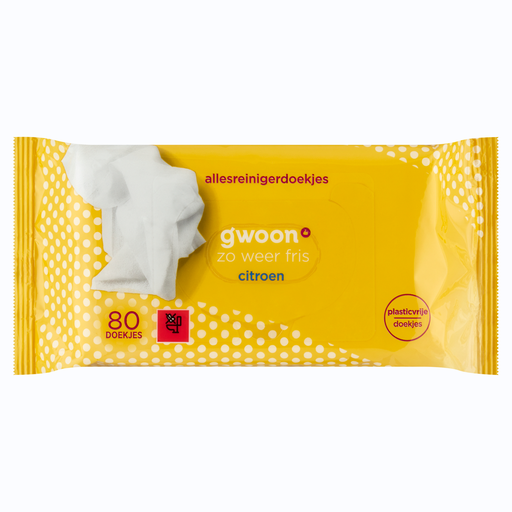
Why This Fits Their Persona: For quick and effective household cleaning tasks, a multi-purpose wipe is ideal. This product is designed for cleaning various surfaces, from the kitchen counter to the dining table.
This product is clearly positioned as an all-purpose cleaning wipe and does not pretend to be suitable for skin or to be flushable. It does exactly what it's intended for: cleaning.
The large pack of 80 wipes offers excellent value for money for regular use. The lemon scent leaves a fresh smell after cleaning.
We have compiled a complete, up-to-date list of products that meet these selection criteria and current regulations.
This is an important distinction. Biodegradable means the material can be broken down by microorganisms over time. However, this can take months or even years and says nothing about what happens in the sewer. Flushable (according to the INDA/EDANA standard) means the wipe is designed to break apart quickly in water, similar to toilet paper, making it safe for most sewage systems. Therefore, not all biodegradable wipes are flushable.
The key is the packaging. Make sure you firmly close the sticker or lid after each use. A simple tip is to store the package upside down. Gravity will then cause the liquid to settle towards the top wipes, ensuring the next wipe you grab is properly moist and helping to prevent the rest of the stack from drying out.
It is not recommended to use cleaning wipes on your skin. These wipes often contain stronger detergents and chemicals intended to remove grease and dirt from surfaces. These ingredients can irritate the skin, dry it out, or cause an allergic reaction. For your hands, use special refreshing wipes or hand sanitisers.
