Vandaag of morgen in huis

Kwaliteit gegarandeerd

Welkomstaanbiedingen ontgrendelen: GRATIS bezorging | Tot 80% korting | Gratis 30 dagen JoyPlus-proefperiode
Download de app
Finding a good vlogging camera can be a challenge. The market is flooded with options, and each camera promises something different. Whether you want to document your travels, create content for YouTube, or film your athletic achievements, the right gear is essential. This article is designed to help you make your choice. We'll highlight a few popular models and give you practical tips based on clear product specifications.
Before we look at specific models, it's helpful to know which specifications are important. Here are three key points to help you make an informed decision.
The quality of your videos largely depends on the camera's sensor. A larger sensor captures more light, resulting in better image quality, especially in low-light conditions. A 4K vlogging camera is a standard choice these days. It not only delivers sharp footage for platforms like YouTube but also gives you more flexibility when editing your videos.
Nobody enjoys watching shaky footage. If you film a lot while walking or moving, a camera with stabilisation is indispensable. There are two types: digital and mechanical stabilisation. Mechanical stabilisation, often via a gimbal, typically delivers the smoothest footage. Digital stabilisation is a solid alternative and is often found in a more compact action camera.
A compact video camera is practical for on-the-go use. Also, pay attention to features that make vlogging easier, such as a flip screen to see yourself, fast and reliable autofocus to stay sharp, and an intuitive menu system. Good audio recording is another important point; check if the camera has a quality built-in microphone or a port for an external one.
Based on the criteria above, we have selected a few cameras that are popular among content creators.
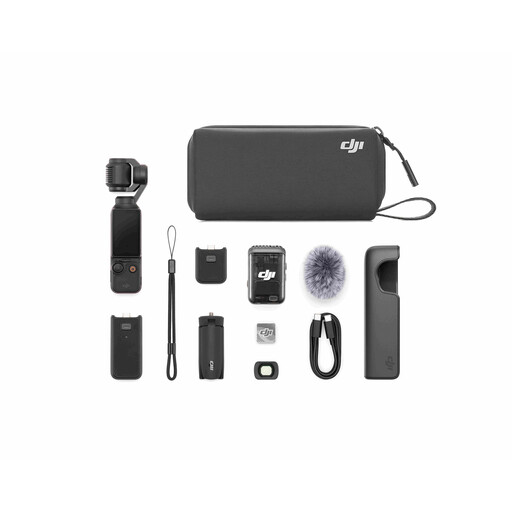
Why It Stands Out The DJI Osmo Pocket 3 combines an ultra-compact form factor with a mechanical 3-axis gimbal. This ensures exceptionally stable footage, even while walking or running. It's a complete, pocket-sized solution.
Advantages
Who Is It For? This camera is ideal for travellers and vloggers who are constantly on the move. If you value smooth footage without wanting to carry a large, heavy gimbal, the Osmo Pocket 3 is a strong contender.
View the DJI Osmo Pocket 3 Creator Combo
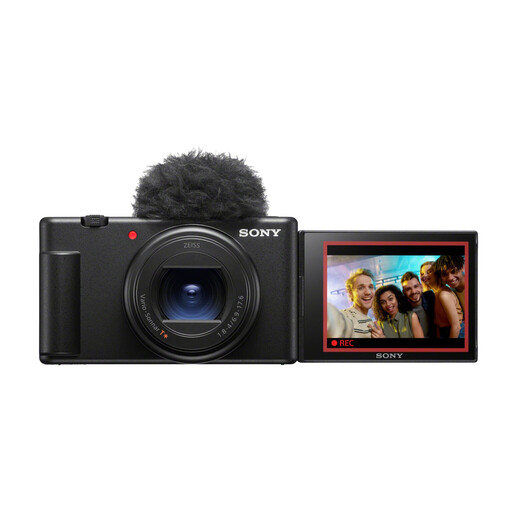
Why It Stands Out The Sony ZV-1 II is specifically designed as a camera for vlogging. It builds on its popular predecessor with a wider zoom lens, which is useful for filming in tight spaces or capturing more of the background.
Advantages
Who Is It For? This is an excellent all-around camera for YouTube creators. It's suitable for product reviews, talking-head videos, and general vlogs where both the person and the environment need to be in the shot.
View the Sony Vlog Camera ZV-1 II
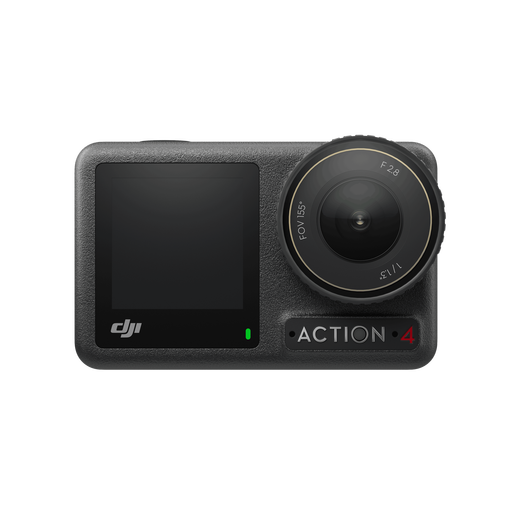
Why It Stands Out The DJI Osmo Action 4 is a rugged action camera built for tough conditions. It's waterproof, frost-resistant, and always maintains a level horizon thanks to its 360° HorizonSteady stabilisation.
Advantages
Who Is It For? This camera is the go-to choice for athletes, adventurers, and anyone who needs a durable camera that can take a beating. Ideal for capturing action, from mountain biking to diving.
View the DJI Osmo Action 4 Adventure Combo
These three models represent popular choices for different types of vloggers. However, the market offers many more possibilities. If you're looking for different specifications or have a different budget, it's worth exploring further.
For a broader overview of cameras that meet various needs, check out our full collection of 4K vlogging cameras.
1. Do I need a 4K vlogging camera? While Full HD (1080p) is still sufficient for many applications, 4K is becoming the standard. It offers sharper images and allows you to zoom or crop your footage without losing quality. It also makes your content more future-proof.
2. What is more important: image stabilisation or image quality? This depends on your vlogging style. For dynamic vlogs where you move around a lot, a good camera with stabilisation is essential to avoid making your viewers dizzy. For static shots, like product reviews at a desk, you can prioritise image quality (sensor and lens). Ideally, a camera should have a good balance of both.
3. Can't I just use my smartphone for vlogging? Absolutely, modern smartphones are very capable. However, a dedicated vlogging camera often offers advantages like better audio options, superior low-light performance, a flip screen, and advanced stabilisation. These features can significantly increase the production value of your videos.