
Livraison le jour même et le lendemain

Qualité garantie

Débloquez vos offres de bienvenue: Livraison GRATUITE | Jusqu'à -80 % | 30 jours d'essai gratuits à JoyPlus
Téléchargez l'application
Buying a new vacuum seems simple until you look at the specs. The market is flooded with models that promise the world. But how often have you bought an appliance that loses suction after a few months or is just awkward to use? Many marketing terms are designed to confuse, not inform.
As a Joybuy Product Recommendation Officer, I'll help you cut through the noise. We'll focus on the facts so you can choose a model that fits your home and budget, without falling for the usual traps.
Before we look at models, it's important to recognise the most common deceptions. This will save you not only money but also a lot of frustration.
To make an informed choice, we'll focus on three concrete specifications. These will help you objectively assess a vacuum's performance.
Don't be misled by wattage. True suction power is expressed in Pascal (Pa). This number measures the pressure the vacuum creates to lift dirt. A higher Pa value generally means stronger suction, which is especially important for carpets and picking up pet hair. For hard floors, an extremely high Pa value is less crucial, but a value around 15,000 Pa (15 kPa) is a good starting point for most stick vacuums.
A good filter not only traps dust but also ensures cleaner exhaust air. This is essential for people with allergies or asthma. A HEPA filter (High-Efficiency Particulate Air) is designed to capture 99.97% of particles as small as 0.3 microns, including pollen, dust mites, and pet dander. Ideally, choose a bagless vacuum with washable filters. This is not only better for the environment but also saves you money in the long run.
Think carefully about what you will primarily use the vacuum for.
Based on objective specifications and different user profiles, we have selected a few popular choices that avoid the pitfalls mentioned.
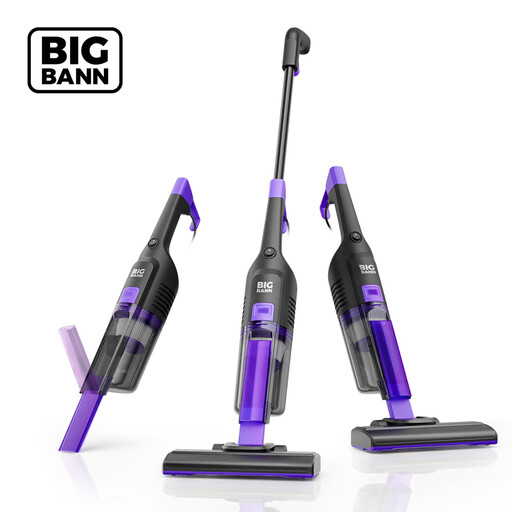
Why This Fits Their Persona: Perfect for apartments or as a secondary vacuum. This lightweight, corded model is versatile and easy to store, with no worries about a dead battery.
The suction power is clearly stated as 18kPa, not in misleading Watts. Because it's corded, there are no hidden costs for a replacement battery.
Very lightweight (1.2 kg), can stand upright for compact storage, and has a washable HEPA filter to keep maintenance costs low.
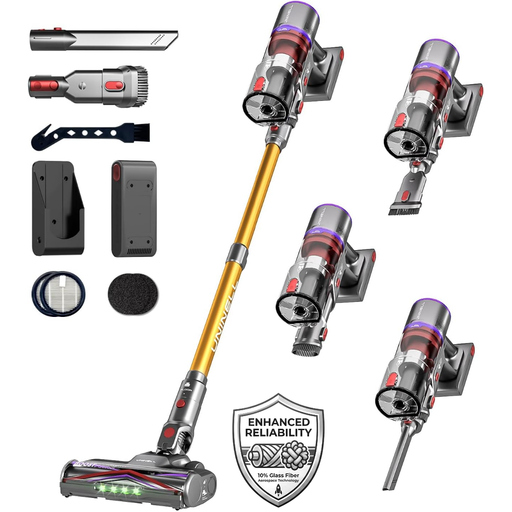
Why This Fits Their Persona: Designed for the challenges of pet hair and allergens. The powerful motor and special brush make short work of dirt on both hard floors and carpets.
This model specifies a suction power of up to 48kPa and features an anti-tangle brush that shatters the "one-size-fits-all" myth by being specifically designed for hair.
A 7-stage filtration system captures 99.99% of fine particles. The battery is detachable, making future replacement easier and more affordable.
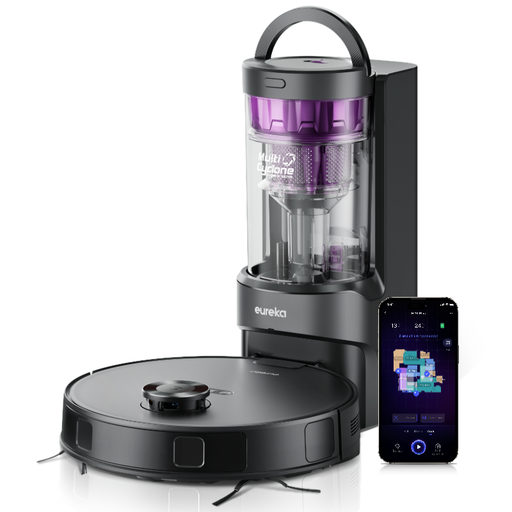
Why This Fits Their Persona: For those who prefer to outsource their cleaning. This robot vacuum with a self-empty station takes the daily work off your hands, freeing up time for other things.
This is a specialised device that bypasses the "one-size-fits-all" pitfall. The bagless, self-emptying station prevents the recurring cost of dust bags.
Up to 45 days of hands-free cleaning thanks to the large dustbin in the station. The smart mop-lift feature prevents carpets from getting wet.
We have compiled a complete, up-to-date list of products that meet these selection criteria and local safety regulations.
This depends on usage and the type of filter. Washable filters can be cleaned every month and often last the lifetime of the vacuum. Non-washable filters typically need to be replaced every 6 to 12 months, or when you notice a decrease in suction power. Always consult the manufacturer's manual.
Not necessarily. Very high suction is useful for deep carpets and pet hair, but it can be too strong for hard floors or delicate rugs, causing the vacuum to "stick" and become difficult to move. That's why many modern vacuums have adjustable suction levels, allowing you to tailor the performance to the surface.
A vacuum with a mopping function, also known as a wet and dry vacuum, saves time by vacuuming and mopping simultaneously. This is especially useful for hard floors like tile, laminate, and vinyl. It's an efficient way to tackle both dry debris and sticky messes in one go. Look for models with a dual-tank system, which keeps clean and dirty water separate for a more hygienic result.
