
Vandaag of morgen in huis

Kwaliteit gegarandeerd

Welkomstaanbiedingen ontgrendelen: GRATIS bezorging | Tot 80% korting | Gratis 30 dagen JoyPlus-proefperiode
Download de app
Buying a new vacuum cleaner seems simple—until you get tangled in a web of technical specifications, marketing promises, and hundreds of models. Many people end up making a choice they later regret. This is often due to a few common pitfalls that manufacturers cleverly exploit. Before you make a decision, it's wise to know what to look for to prevent a bad purchase.
The vacuum cleaner market is competitive, which can lead to claims that sound better than they are. Pay close attention to the following three points:
To avoid these pitfalls, focus on the specifications that truly matter. These three factors determine whether a vacuum is right for your household.
True suction power is expressed in Pascals (Pa) or Air Watts (AW). These values measure the actual performance at the nozzle.
So, look beyond wattage and search for the Pa or AW specifications to objectively compare performance.
For a cordless vacuum, the battery is its lifeblood. Don't just look at the maximum runtime; also consider:
Not every type of vacuum is suitable for everyone. The choice depends on your living space and cleaning needs.
Based on objective specifications, we have selected a few models that suit different user profiles.
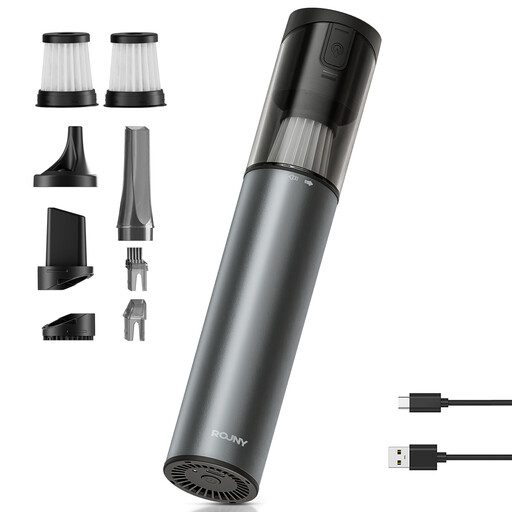
Why This Fits Their Persona: Perfect for anyone looking for a compact and lightweight handheld vacuum for crumbs on the kitchen table, cleaning the car, or dusting a keyboard. No need to hassle with a large vacuum for a small job.
This model doesn't promise unrealistic performance. It's clearly designed for small tasks, with an appropriate battery life (12-25 min) and a washable HEPA filter that is easy to maintain.
2-in-1 suction and blower function: Useful for clearing hard-to-reach crevices. Lightweight (0.3 kg): Very easy to handle and store.
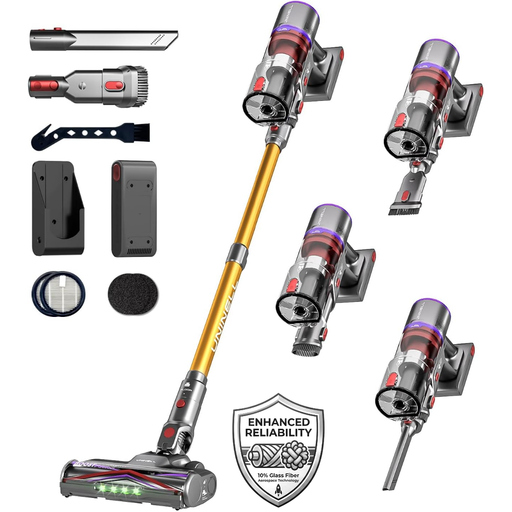
Why This Fits Their Persona: For anyone battling pet hair on carpets and furniture. This model combines a powerful motor with a specially designed brush to effectively remove hair without constantly getting tangled.
The suction power is clearly specified in Pascals (48,000 Pa), bypassing the misleading wattage claim. The anti-tangle brush is a concrete solution to a common problem, rather than a vague promise.
Anti-tangle technology: Specifically designed for vacuuming hair. 7-stage filtration: Captures up to 99.99% of fine particles, which helps with allergies.
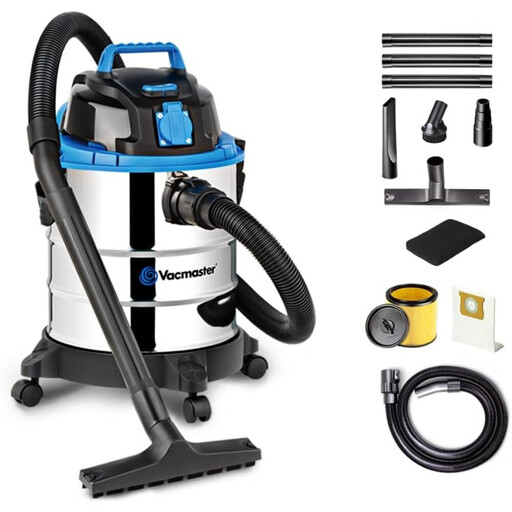
Why This Fits Their Persona: For the DIY enthusiast who needs a robust machine for the garage, workshop, or renovation projects. This wet/dry vacuum can handle both construction dust and liquid spills and includes a handy blower function.
This is a specialised tool. It doesn't try to be a slim stick vacuum. Its robust stainless steel tank (20 litres) and high suction power (18 kPa) are tailored for heavy-duty work, without false promises of lightweight convenience.
3-in-1 functionality: Wet vacuuming, dry vacuuming, and blowing. Large capacity: The 20-litre tank is ideal for large amounts of debris or liquid.
We have compiled a complete, up-to-date list of products that meet these strict selection criteria and adhere to strict safety standards.
That depends on your floor type. For a household with mostly hard floors (laminate, parquet, tile), a suction power of around 15,000 Pa (15 kPa) or approximately 100 AW is usually sufficient. If you have a lot of (deep-pile) carpet or pets, a more powerful vacuum with 20,000 Pa (20 kPa) or 150 AW and above is a better choice to pull dirt and hair from deep within the fibres.
Not necessarily; it's a matter of personal preference. A bagless vacuum saves money in the long run because you don't have to buy dust bags. However, emptying the dustbin can be a dusty affair, which is less than ideal for people with allergies. A traditional canister vacuum with a dust bag is more hygienic to empty but does involve recurring costs.
