
Vandaag of morgen in huis

Kwaliteit gegarandeerd

Welkomstaanbiedingen ontgrendelen: GRATIS bezorging | Tot 80% korting | Gratis 30 dagen JoyPlus-proefperiode
Download de app
Buying a new vacuum cleaner seems simple—until you get tangled in a web of technical jargon, flashy marketing claims, and unrealistic promises. Many people overpay for features they don't need, or discover after a few months that their purchase isn't as practical as they thought. As a Product Recommendation Officer at Joybuy, I'm here to help you cut through the noise. We'll focus on what truly matters, so you can choose a model that fits your home and lifestyle without wasting money.
Before we look at models, it's important to recognise the most common marketing traps. Manufacturers are clever, but with the right knowledge, you won't fall for them.
To avoid buyer's remorse, there are a few technical specifications you should always check. These determine the real-world performance and ease of use.
Based on objective specifications, we have selected a few models that suit different needs and budgets.
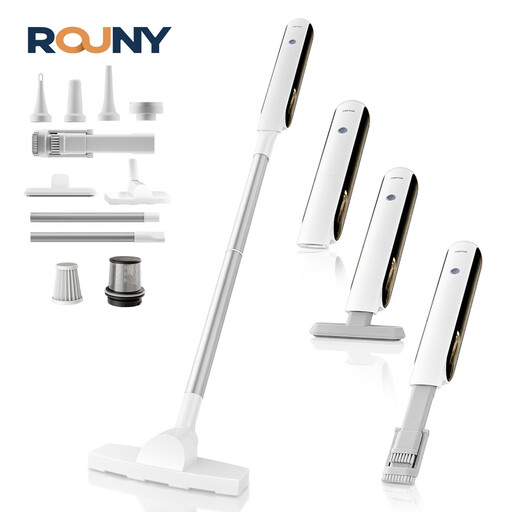
Why This Fits Their Persona: Perfect for a dorm room, small apartment, or the car. This model is a handheld and light stick vacuum in one, with a handy blower function and LED light for dark corners. Compact, affordable, and versatile for basic needs.
The battery life (15-30 min) is realistic for its purpose: quick, light cleaning jobs. The washable HEPA filter prevents high maintenance costs right away.
2-in-1 design (handheld and stick), includes 7 attachments and a blower function. Very lightweight (0.5 kg) and easy to handle.
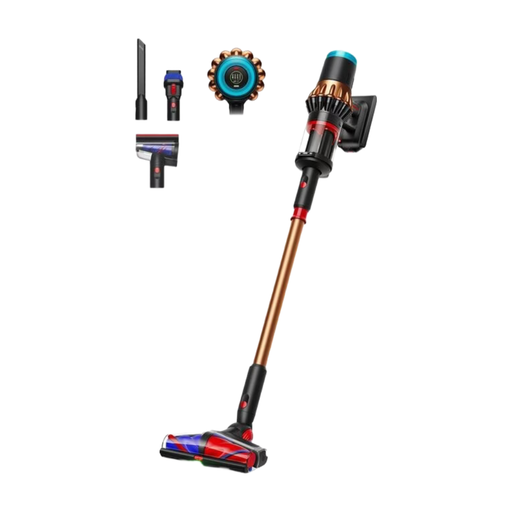
Why This Fits Their Persona: Specifically designed for households with pets and long hair. The high suction power and special hair-detangling brush tackle the biggest frustration for pet owners. The full HEPA filtration ensures cleaner exhaust air.
Dyson specifies the suction power in Air Watts (315 AW), a reliable measure of performance. The focus is on the anti-tangle technology and HEPA filtration, not just a vague battery life claim.
Powerful motor (900W) and a brush head that automatically detangles hair. Fully sealed HEPA system captures 99.99% of particles down to 0.1 microns, according to the manufacturer.
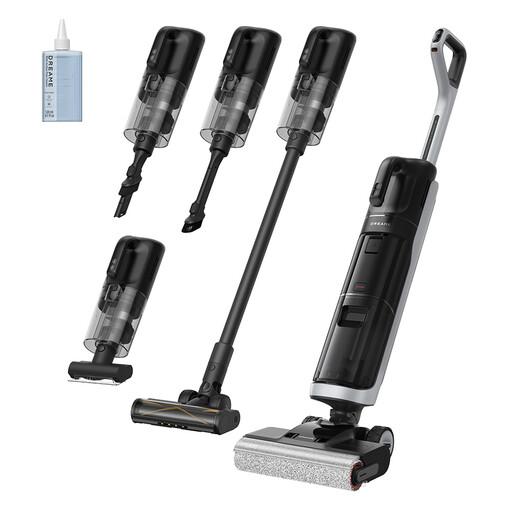
Why This Fits Their Persona: For those who want to save time. This model can vacuum and mop simultaneously, cutting the cleaning routine in half. It's relatively quiet and has a self-cleaning function, which simplifies maintenance. Ideal for busy households with hard floors.
The specifications are clear about the different operating modes: the battery life for vacuuming alone is longer than for the combined mop and vacuum function. This sets realistic expectations.
Combines vacuuming and mopping in one go. It has a self-cleaning mode for the brush roll and a relatively low noise level of 55 dB in quiet mode.
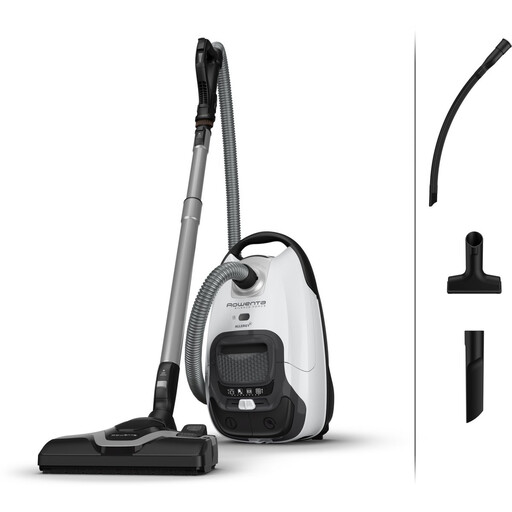
Why This Fits Their Persona: For those who prefer a traditional corded vacuum, but without the noise. This model offers constant, high suction power and a very low noise level. Ideal for thorough cleaning sessions in larger homes, without worrying about a dead battery.
This model completely bypasses the 'unrealistic battery life' trap because it's a corded model. The focus is on an objective and verifiable benefit: the extremely low noise level of 57 dB.
Very quiet at 57 dB on the highest setting. A large operating radius of 11 meters and a generous 4.5-liter dust bag capacity mean you have to stop less often.
Besides choosing the right vacuum, maintenance—especially replacing filters on time—is crucial for a long lifespan and optimal performance. A clogged filter can drastically reduce suction power and damage the motor.
We have compiled a complete, up-to-date list of products that meet strict selection criteria and local regulations.
How often should I replace my vacuum's HEPA filter? This depends on the model and how often you vacuum. For washable filters, manufacturers often recommend cleaning them monthly and replacing them annually. Non-washable filters typically need to be replaced every 6 to 12 months. A good rule of thumb: if you notice a decrease in suction power or the vacuum emits a musty smell, it's time to check the filter.
What's the difference between a bagged and a bagless vacuum? A bagless vacuum collects dirt in a canister that you empty directly into the bin. This saves the cost of new bags, but emptying it can be dusty, and the filters need to be cleaned more often. A bagged model is more hygienic to empty, as the dust and dirt remain contained. This is often a better option for people with dust allergies.
Is an expensive cordless vacuum always better than a cheaper one? Not necessarily. A higher price often means more suction power (Air Watts), longer battery life, more advanced filtration systems, or special attachments (like an anti-tangle brush). However, for a small apartment with only hard floors, a more affordable model may be perfectly adequate. It's more important to choose a model that fits your specific cleaning needs than to blindly go for the most expensive one.
