
Fans of documentaries about the night sky
You want to make out stars and subtle details against a dark background. Consumentenbond and RTINGS highlight black levels as something to consider when comparing OLED and LCD TVs.


For astronomy programmes in a shared student house, an OLED TV is worth considering if dark scenes and deep blacks are your priorities; an LCD TV with local dimming may suit you better if brightness or a larger screen matters more. Compare the exact models from the outermost seats too, and check the apps, connections and energy consumption you need. A QLED label alone doesn’t mean blacks will be as deep as on an OLED TV.
You want to make out stars and subtle details against a dark background. Consumentenbond and RTINGS highlight black levels as something to consider when comparing OLED and LCD TVs.
You need to judge the screen size and picture from different spots in the room. Consumentenbond discusses viewing distance, while RTINGS highlights the importance of viewing angles when seats are spread out.
You want to agree in advance which streaming services and connections you need, and how energy consumption will affect your bills. Energielabel.nl shows consumption per 1,000 hours, with a separate figure for HDR.
A good fit if: dark astronomy scenes and viewing from different angles are important to you.
Bear in mind: prolonged static images can be a concern; general comparisons don’t tell you how every specific model performs.
A good fit if: you need a larger screen or have a bright room, and the specific model meets your requirements for dark scenes.
Bear in mind: bright objects against a dark background may show a halo effect; check how the specific model performs.
A good fit if: screen size and shared use matter more to you than the deepest possible blacks.
Bear in mind: LCD TVs use a backlight; black levels and viewing angles vary by model.
| What to consider | What to look for | Who it matters to |
|---|---|---|
| Black levels | Watch dark scenes on the exact model and check whether it uses OLED or LCD with local dimming. | If I want to see stars against a dark background, I’ll compare the black levels of specific models. Around 29% of consumers say dark picture quality is their main concern when buying. |
| Screen size and viewing angle | Measure the viewing distance and assess the picture from the outermost seats. Consumentenbond uses around 2.4 times the screen diagonal as a starting point, not a strict rule. | If we sit in different places, I want everyone to be able to judge the picture from their seat. Around 29% of consumers say watching together is their top priority. |
| Energy consumption | Compare the energy label figures for consumption per 1,000 hours and the separate HDR figure. | If we share the TV, I want to know how energy consumption affects our shared use. Around 21% of consumers put shared household costs first. |
| Apps and connections | Check that the specific model has the apps, connections and audio output you need. | If housemates use different services or devices, I want to check in advance that they’ll work with the TV. Around 21% of consumers say access to programmes and controls is their top priority. |
QLED is an LCD technology that uses a backlight. The label alone doesn’t tell you how deep the blacks will look on a specific TV; local dimming and its implementation can vary.
Compare dark scenes and look for a review of the exact model, paying attention to bright details against a dark background.
A limited viewing angle can affect the picture for housemates sitting to the side.
Assess the TV from the outermost seats you’ll use day to day.
In the Netherlands, your statutory guarantee depends on what you could reasonably expect from the product; it isn’t automatically limited to the length of the manufacturer’s warranty.
Keep your proof of purchase and speak to the retailer first if a fault develops unexpectedly.
The OLED42C67LA is a 42-inch OLED option for anyone looking for a compact TV who values dark-scene performance.
The QE43Q7F2AUXXN is a 43-inch 4K QLED option for anyone considering a compact LCD TV.
The 55C6K is a QD Mini LED option if your viewing distance and available space can accommodate a 55-inch screen.
According to Philips, the 43PUS8000/12 combines a 43-inch 4K LED LCD screen with Ambilight and Titan OS.
This selection includes OLED models and a QD Mini LED model for viewers who value dark astronomy scenes. Check that each model suits your room and seating arrangements.
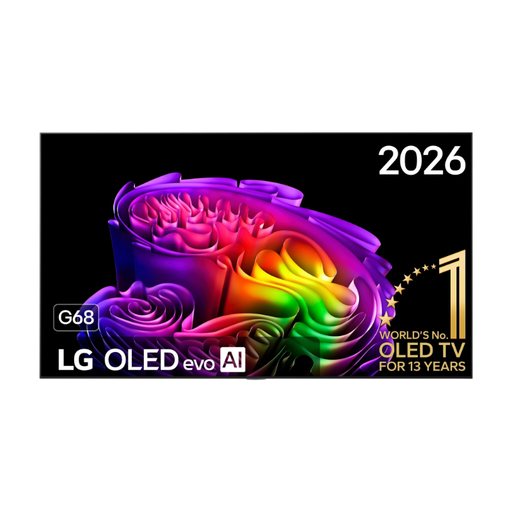 No image available
The product name specifies OLED, a screen technology worth considering when choosing a TV for dark astronomy scenes.
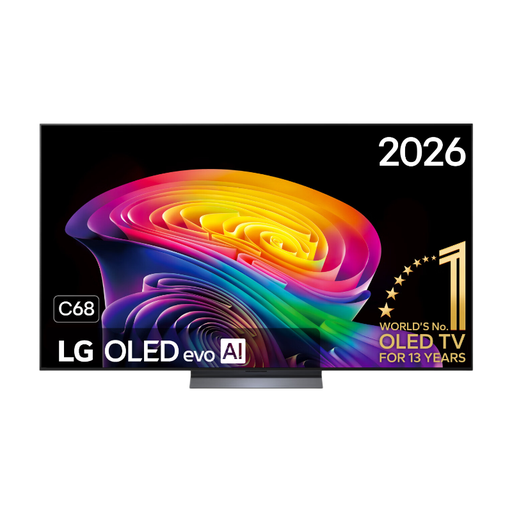 No image available
The product name specifies OLED; compare this model for dark-scene performance and check that the size suits your room and seating arrangements.
Listed features: 65 inches, 4K, webOS 26, Dolby Vision and Dolby Atmos.
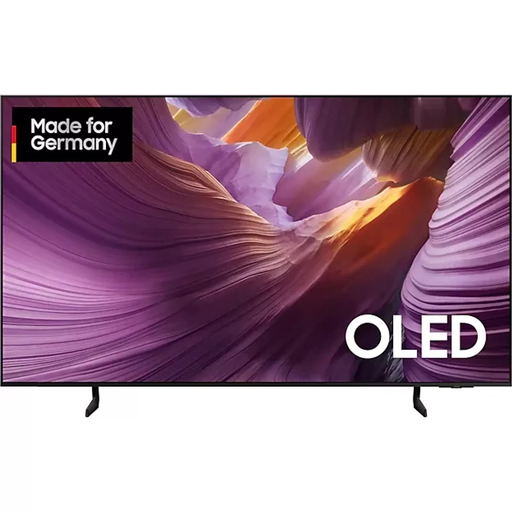 No image available
The product name specifies OLED; view the model from different seats and check whether 55 inches will suit your room.
Listed features: 55 inches, 4K and OLED.
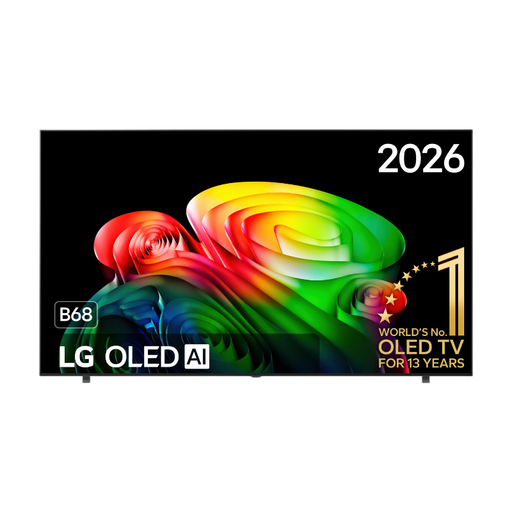 No image available
The product name specifies OLED; compare the black levels and viewing angle of the exact model with the layout of your shared room.
Listed features: 77 inches, 4K, webOS 26, Dolby Vision and Dolby Atmos.
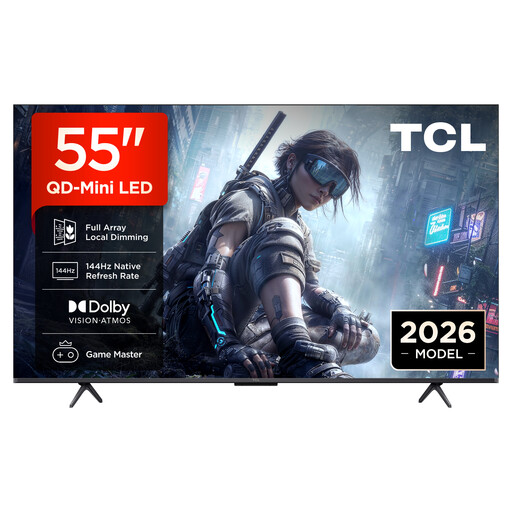 No image available
This model specifies QD Mini LED dimming; check whether the picture and viewing angle meet everyone’s needs when watching dark scenes.
Listed features: 55 inches, 4K, Google TV, Dolby Vision, HDR10+ and 144 Hz VRR.
Measure the distance from the seats to where you plan to put the TV. Consumentenbond uses around 2.4 times the screen diagonal as a starting point; also try out nearby sizes in your own room.
According to Rijksoverheid, you don’t need the landlord’s permission for a minor change that can be reversed without significant cost, such as filling in holes. Before drilling, check that the circumstances and your tenancy agreement allow for it; you may need permission for changes that aren’t easy to reverse.
Check the energy label for each exact model and compare its consumption per 1,000 hours for standard picture settings, as well as the separate HDR figure. To work out how much it will use in your household, you’ll also need to consider how many hours it’s used.
ACM ConsuWijzer says that for a new TV bought online, you’ll generally have a 14-day cooling-off period from delivery. Statutory guarantee also applies if the TV doesn’t perform as you could reasonably expect under normal use; in the Netherlands, it doesn’t automatically have a fixed two-year limit.