
Vandaag of morgen in huis

Kwaliteit gegarandeerd

Welkomstaanbiedingen ontgrendelen: GRATIS bezorging | Tot 80% korting | Gratis 30 dagen JoyPlus-proefperiode
Download de app
The toothpaste aisle seems endless. From promises of a radiant white smile to formulas for sensitive gums, the choice is overwhelming. But how do you know which toothpaste actually does what you need, without paying for empty marketing claims? As a Joybuy Product Recommendation Officer, I'm here to help you filter the information. We'll look past the shiny packaging and focus on what truly matters for your teeth.
Before you make a choice, it's helpful to recognise the most common pitfalls:
whitening toothpastes claim immediate results. This is often due to a higher content of abrasives that remove surface stains. This isn't bleaching, but polishing. With excessive or incorrect use, this can actually damage your tooth enamel.natural toothpaste can still contain ingredients you'd rather avoid, or it might be missing a crucial one. For instance, many natural varieties deliberately omit fluoride, which for most people is the most important protection against cavities.To make a good choice, you don't need to decipher ingredient lists. Pay attention to the following three key points, and you're guaranteed to find a product that suits you.
Fluoride is the most researched and proven effective ingredient against cavities (caries). It helps to strengthen and remineralise tooth enamel.
Oral-B toothpaste and Colgate toothpaste meet this standard.fluoride-free toothpaste is a conscious choice. Some people opt for this due to homeopathic treatments or personal beliefs. It's important to know that you are missing out on the standard protection against cavities.children's toothpaste with an adjusted, lower fluoride content (500-750 ppm) to prevent them from ingesting too much fluoride if they swallow it.Do you suffer from specific problems? Then look for toothpastes with ingredients designed for them.
fresh breath? Look for ingredients like zinc sulfate or active mouthwash components that neutralise bacteria.Every toothpaste needs a slight abrasive action to remove plaque and stains. The degree of abrasiveness is expressed as an RDA value (Relative Dentin Abrasivity). Unfortunately, this is rarely listed on the packaging, but you can make a general estimate:
whitening toothpaste. These are effective at removing surface stains but are less suitable for people with sensitive enamel or receding gums.Based on these criteria, we have selected a number of products that suit different needs and lifestyles.
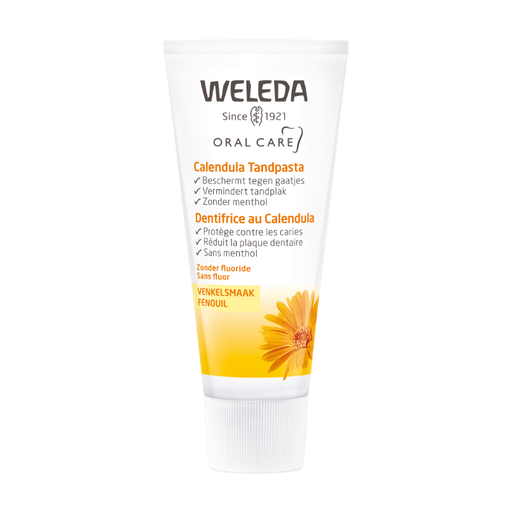
Why This Fits Their Persona: This toothpaste is ideal for those who consciously choose a formula without fluoride and synthetic additives. The addition of calendula extract is aimed at caring for the mouth.
This product is transparent about being fluoride-free. It's a deliberate choice for a specific user, not a product that vaguely claims to be 'natural' and therefore better.
Free of synthetic foaming agents and peppermint oil, making it suitable for use with homeopathic remedies. Contains myrrh extract for a purifying effect.
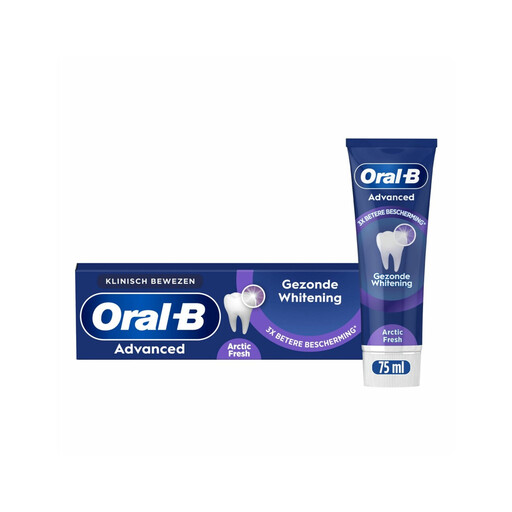
Why This Fits Their Persona: For those who want a whiter smile by tackling stains from coffee, tea, or smoking, without compromising on protection.
This product doesn't promise unrealistic bleaching results but focuses on 'removing surface stains.' This is an honest description of what a whitening toothpaste can do.
Contains Oral-B's unique stannous fluoride complex. According to the brand, this provides protection against enamel erosion, in addition to its cleaning and whitening action.
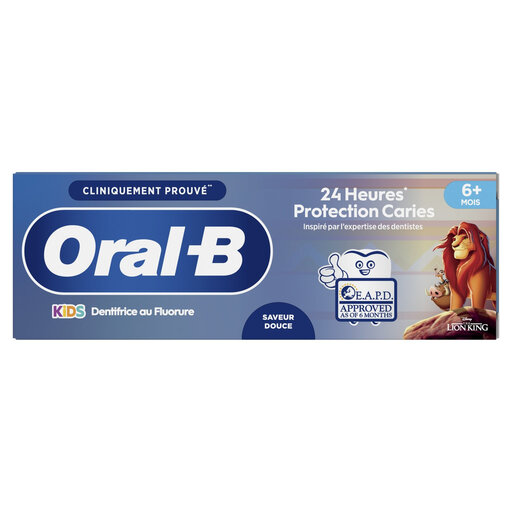
Why This Fits Their Persona: Specially designed for the needs of a child's teeth. The formula is gentle, the taste is kid-friendly, and the fluoride content is tailored to the age group to provide effective protection.
This product avoids the mistake of using adult toothpaste for children. It offers a safe, age-appropriate formula that avoids the 'one-size-fits-all' pitfall.
According to Oral-B, the formula is endorsed by the European Academy of Paediatric Dentistry (EAPD). The fun packaging with Disney characters helps turn brushing into a positive habit.
We have compiled a complete, up-to-date list of products that fully meet these strict selection criteria and UK guidelines.
For adults, a pea-sized amount (about 1 centimetre) on the toothbrush is sufficient. More toothpaste doesn't mean your teeth will be cleaner; it mainly leads to more foam. For children aged 2 to 5, a rice-grain-sized amount is recommended.
The British Dental Association and most dentists in the UK recommend using fluoride toothpaste. It has been scientifically proven that fluoride hardens tooth enamel and thus effectively protects against cavities. A fluoride-free toothpaste is a personal choice. If you are unsure what is best for your teeth, consulting your dentist or dental hygienist is always a good idea.
A whitening toothpaste is designed to remove surface stains caused by things like coffee, tea, or red wine. This is done using finer or more abrasive particles (polishing agents) than in a regular toothpaste. The effect is therefore polishing, not bleaching. A regular toothpaste primarily focuses on removing plaque and protecting against cavities, with a lower level of abrasiveness.
