
Vandaag of morgen in huis

Kwaliteit gegarandeerd

Welkomstaanbiedingen ontgrendelen: GRATIS bezorging | Tot 80% korting | Gratis 30 dagen JoyPlus-proefperiode
Download de app
A single product that hydrates, provides light coverage, and protects your skin from the sun. A tinted moisturiser with SPF sounds like the ideal all-in-one solution for a quick morning routine. Yet, the search often leads to frustration: the wrong shade, a greasy finish, or a product that doesn't deliver on its promises.
As a Product Recommendation Officer at Joybuy, I see where things go wrong every day. Before you make a choice, it's wise to understand the most common pitfalls.
To avoid buyer's remorse, it's smart to pay attention to a few objective specifications. These determine whether a product truly matches your skin and needs.
Daily sun protection is one of the main reasons to opt for a tinted moisturiser with SPF. The choice of protection factor and filter type is crucial here.
The terms BB cream, CC cream, and tinted moisturizer are often used interchangeably, but there are definite differences in coverage.
tinted moisturizer or tinted day cream provides the most subtle coverage. It lightly evens out the skin and gives a fresh look, ideal for a natural finish.BB cream (Blemish Balm) typically offers slightly more coverage and often contains extra skincare ingredients. A CC cream (Colour Correcting) is specifically aimed at correcting skin tone, such as reducing redness or brightening a dull complexion.Look beyond the marketing claims and check the ingredient list based on your skin's needs.
hyaluronic acid) and squalane (squalane) are known for their powerful hydrating properties and help keep the skin supple.Based on these criteria, we have selected a number of products that fit different user profiles.
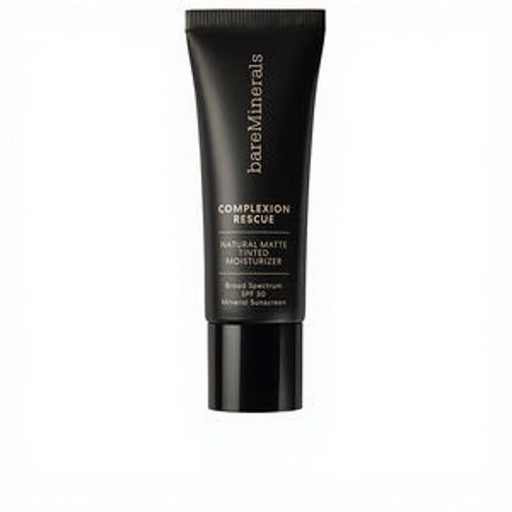
Why This Fits Their Persona: This person is looking for a product that mattifies the skin without drying it out or causing irritation. The oil-free formula is ideal for daily use on skin that quickly becomes shiny or reacts sensitively to heavier creams.
The formula is specifically developed for oily and sensitive skin and is non-comedogenic, thus avoiding the pitfall of pore-clogging hydration. The mineral SPF is gentle on the skin, and the matte finish prevents a sticky feeling.
Provides a natural, matte finish and is oil-free. Contains a mineral SPF 30 and is hypoallergenic and fragrance-free.
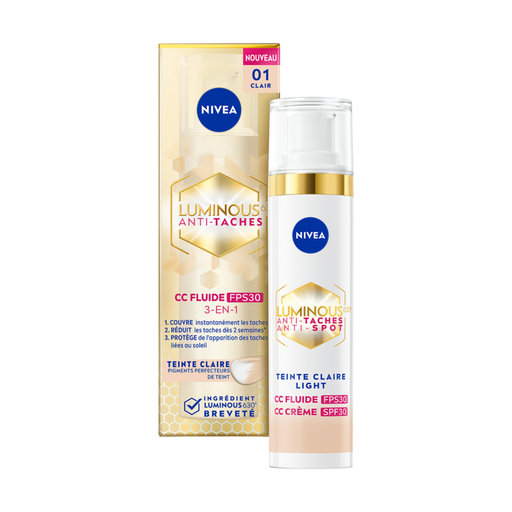
Why This Fits Their Persona: This person is looking for more than just coverage and sun protection; they want a product that actively works against dark spots. The goal is a more even skin tone, both instantly and in the long term.
Instead of a vague "one-shade-fits-all" claim, this CC cream uses micro-encapsulated pigments and is available in different shades (Light and Medium). It targets a specific skin concern with a patented ingredient.
Contains the patented LUMINOUS630. According to NIVEA, it instantly covers existing dark spots and helps reduce their visibility over time. Provides SPF 30 protection.
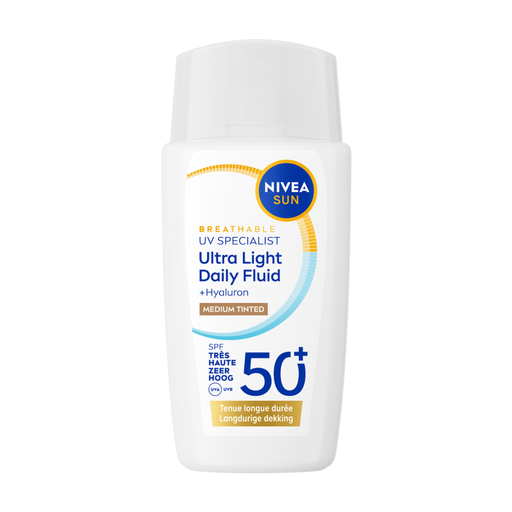
Why This Fits Their Persona: For this user, high sun protection is the priority, but without the heavy feel of a traditional sunscreen. The ideal cream is feather-light, absorbs quickly, and provides a subtle, even tint for a fresh, natural look.
This product directly tackles the "sticky SPF layer" pitfall. The "ultra light" fluid texture is specifically designed to feel non-greasy and non-sticky, encouraging you to apply enough to get the promised SPF 50+ protection.
Combines a very high protection factor (SPF 50+) with an extremely light, non-sticky texture. Hydrates and provides natural, long-lasting coverage.
We have compiled a complete, up-to-date list of products that fully meet these strict selection criteria and local regulations.
In short:
That depends on the situation. For an average day at the office, a tinted moisturizer with SPF 30 or higher is often sufficient, provided it's applied generously. If you spend a lot of time in direct sun, go swimming, or sweat a lot, it's wise to use a separate facial sunscreen and reapply it every two hours for optimal protection.
Choosing the right shade online can be tricky. Look for online stores that show photos or "swatches" of the product on different skin tones. Try to determine your skin's undertone (cool, warm, or neutral). Brands often indicate this in the shade description. If you're hesitating between two shades, it's usually safer to go for the slightly lighter one; it's easier to blend than a shade that's too dark.
