
Vandaag of morgen in huis

Kwaliteit gegarandeerd

Welkomstaanbiedingen ontgrendelen: GRATIS bezorging | Tot 80% korting | Gratis 30 dagen JoyPlus-proefperiode
Download de app
An unreliable thermometer is more than just a source of frustration. An incorrect fever reading for a sick child can cause unnecessary anxiety, while an inaccurate meat thermometer can ruin a perfect cut of meat. The market is flooded with models that promise the world but often fall short in practice. As a Joybuy Product Recommendation Officer, I'm here to help you see through the marketing jargon and find a model that truly delivers on its promise.
Before you make a purchase, it's important to be aware of a few common pitfalls:
smart thermometer with app connectivity sounds modern, but the execution often leaves much to be desired. Unstable Bluetooth connections, clunky apps, or even hidden subscription fees can turn a handy feature into a daily annoyance.meat thermometer or BBQ thermometer. Cheaper models often use thin cables that break quickly at high temperatures or probes that aren't waterproof and fail after the first cleaning.To avoid a bad buy, focus on a few core specifications. These determine whether a thermometer is worth its price.
The type of thermometer depends entirely on its intended use.
For Fever Readings: A fever thermometer must be, above all, reliable and user-friendly.
infrared thermometer that measures without contact. Convenient for a quick check on a sleeping child, but be mindful of potential inaccuracies.baby thermometer.For Cooking and Environment:
smart thermometer function offer freedom around the BBQ or oven.A thermometer should be durable and intuitive to operate.
meat thermometer, always choose a probe made of food-grade stainless steel. An IP rating (e.g., IPX7) indicates that the probe is waterproof and therefore easy to clean.digital thermometers often provide results within seconds.Below are some popular choices, matched with specific user profiles. This selection is based on product features that align with practical needs.
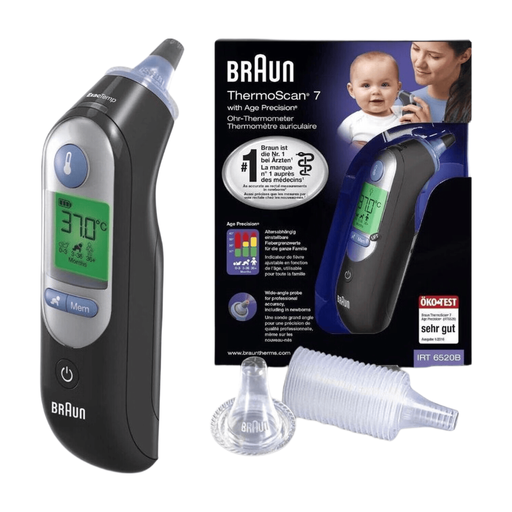
Why This Fits Their Persona: For parents who need a fast and reliable reading for their child. The Age Precision technology helps interpret the temperature based on age, removing uncertainty.
This model tackles the pitfall of inaccuracy. Its pre-warmed tip minimises the cooling effect in the ear, and the ExacTemp indicator confirms correct positioning for a reliable measurement.
Age-specific fever guidance with color-coding. According to the manufacturer, this is the brand most used and recommended by doctors.
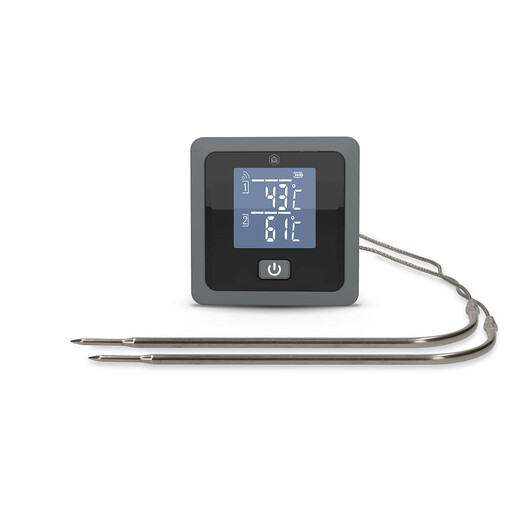
Why This Fits Their Persona: Perfect for those who love to maintain control over the cooking process. With two probes, you can simultaneously measure the core temperature of the meat and the ambient temperature of the oven or BBQ.
This thermometer offers functional smart features without unnecessary complexity. The Bluetooth connection to the Nedis SmartLife app sends push notifications to your phone, so you don't have to constantly stand by the grill.
Equipped with 8 preset programs for different types of food and a timer function. The cables are 1.20 meters long for flexible use.
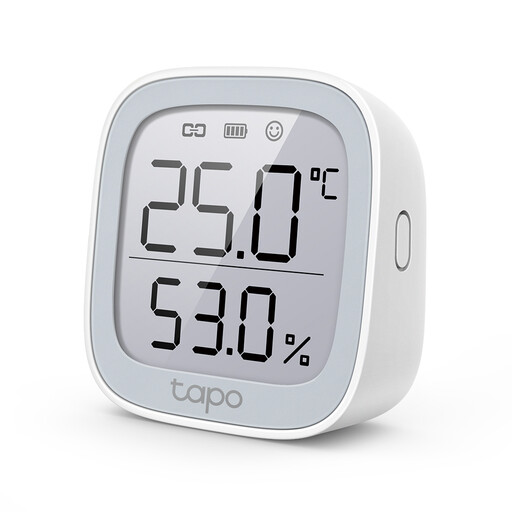
Why This Fits Their Persona: For those who want a comfortable and automated home. This sensor not only monitors temperature and humidity but can also control other Tapo devices.
This is an example of a 'smart' device that lives up to its promise. The integration within the Tapo ecosystem is seamless and offers genuinely useful automation, such as turning on a fan when it gets too warm.
Features a clear 2.7" E-ink display that is readable from any angle. Offers free cloud data storage to analyse trends. (Note: A Tapo Hub is required for smart features).
We have compiled a complete, up-to-date list of products that meet these strict selection criteria.
In general, an ear thermometer is considered more reliable for measuring core body temperature because the eardrum shares its blood supply with the temperature control center in the brain. However, correct placement in the ear canal is essential. A forehead thermometer is less invasive and faster, but the measurement can be affected by external factors like sweat or room temperature. For a quick indication, a forehead model is fine; for a more accurate measurement, an ear model is often preferred.
You can easily check the accuracy of a meat thermometer with the ice water test. Fill a glass completely with ice cubes and add cold water. Stir and wait a minute. Insert the thermometer's probe into the center of the glass, without touching the sides or bottom. An accurate thermometer should read 32 °F (0 °C). Some advanced models can be recalibrated if there is a deviation.
That depends on the product. Some smart thermometers, like many Bluetooth models, connect directly to your smartphone. Others, especially those with Wi-Fi or that are part of a larger smart home ecosystem (like the TP-Link Tapo), require a separate hub. This hub acts as a bridge between the sensor and your Wi-Fi network. Always check the product specifications to see if a hub is necessary.
