
Vandaag of morgen in huis

Kwaliteit gegarandeerd

Welkomstaanbiedingen ontgrendelen: GRATIS bezorging | Tot 80% korting | Gratis 30 dagen JoyPlus-proefperiode
Download de app
Buying a tent can be a daunting task. From a compact 1-person tent for a trekking tour to a spacious family tent for the summer holidays, the options are endless. How do you know which camping tent is truly right for you? A good tent is the foundation of a successful camping experience, whether you're heading into the wilderness or going to a weekend festival.
In this article, we'll guide you with practical tips and concrete recommendations. This will help you make an informed decision that aligns with your plans.
Before you make a choice, it's wise to consider a few key features. This will help you better compare the specifications of different tents.
The stated capacity (for example, a 4-person tent) is often based on the number of sleeping pads that can fit side-by-side. For extra comfort, luggage, or an air mattress, it's advisable to choose one size larger. A family tent for four people, for instance, often provides a separate living area next to the sleeping cabins, which is ideal for longer holidays. Are you heading out alone? Then a 1-person tent is often more than enough and saves you weight.
In a climate with unpredictable weather, a waterproof tent is an absolute must. The water resistance is expressed in millimetres of water column (mm). This number indicates how much water pressure the fabric can withstand before water starts to leak through.
Pay attention not only to the outer flysheet but also to the groundsheet. A groundsheet with a high water column rating prevents ground moisture from entering the tent.
The weight and how you set up the tent are crucial for its user-friendliness.
Based on specifications and intended use, we have highlighted some interesting options for you.
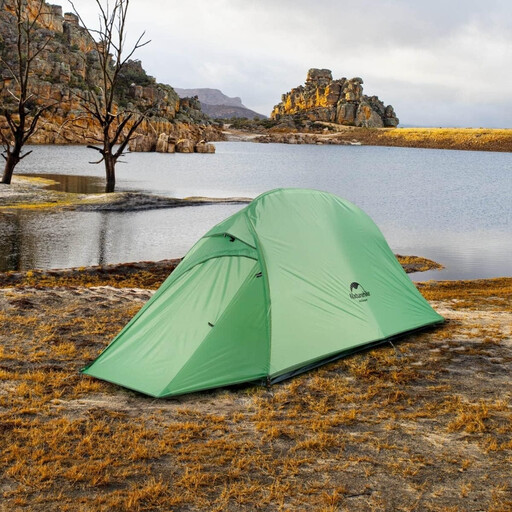
Why It Stands Out This tent is designed with the gram-counter in mind. With a packed weight starting from 1500 grams and a compact pack size, this is a serious contender for long hiking or cycling trips. The materials, such as the 7001 aviation-grade aluminium for the poles and the 20D silicone-coated nylon fabric, are focused on low weight without sacrificing durability.
Pros
Who Is It For? For the solo backpacker, hiker, or cyclist looking for a reliable and ultralight trekking tent for 3-season use.
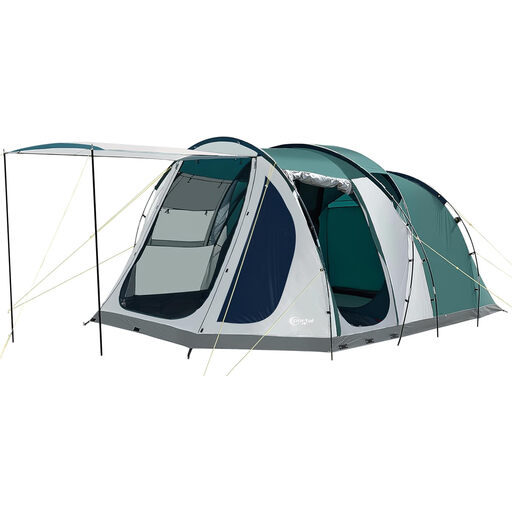
Why It Stands Out This spacious tunnel tent offers home-like comfort at the campsite. With a standing height of 200 cm and separate living and sleeping areas, this is a fully-fledged family tent. The 5.8 m? living area is large enough for a table and chairs, allowing you to sit comfortably inside even in less-than-ideal weather.
Pros
Who Is It For? For families or groups car camping who are looking for space, comfort, and a reliable shelter from the elements.
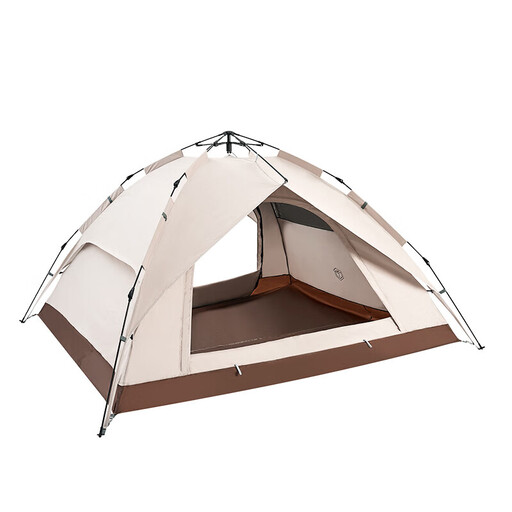
Why It Stands Out The biggest advantage of this tent is its ease of setup. Thanks to the automatic pop-up mechanism, the manufacturer claims the tent is up in an instant. This makes it perfect for those who don't want to waste time fumbling with poles and guy lines. The dual-layer construction offers better insulation and ventilation than a single-layer pop-up tent.
Pros
Who Is It For? For festival-goers, weekend campers, and families who prioritise maximum convenience and a rapid setup time.
If your ideal model isn't listed here, or if you want to compare more specific tents, check out our full range for more choices.
View all sport tents on Joybuy.nl
The water column, expressed in millimetres (mm), indicates how waterproof a tent fabric is. A cylinder is placed on the fabric and filled with water. The height in millimetres at which the fabric begins to leak is the water column value. For most European climates, a rating of 3000 mm is a safe bet.
A 4-person tent technically has room for four adults on narrow sleeping pads, without luggage. For more comfort, for example with air mattresses and luggage, you should count on 2 to 3 people. If you are a group of four and comfort is important, a 5- or 6-person tent is often a better investment.
A well-maintained tent will last for years. The three most important rules are:
With the right preparation and the right tent, you'll be ready for your next adventure.
Joybuy Product Recommendation Officer
