
Vandaag of morgen in huis

Kwaliteit gegarandeerd

Welkomstaanbiedingen ontgrendelen: GRATIS bezorging | Tot 80% korting | Gratis 30 dagen JoyPlus-proefperiode
Download de app
A roll of tape seems like a simple purchase—until it isn't. The painter's tape peels paint off the wall, the "heavy-duty" double-sided tape gives way after a day, or the waterproof repair tape turns out to be no match for a heavy downpour. Choosing the wrong tape not only costs money but also leads to frustration and extra work.
Before you toss another random roll of tape into your shopping cart, it's worth considering a few common pitfalls:
The solution lies in understanding the specifications that truly matter.
Not all tapes are created equal. The material, adhesive, and intended application determine whether a tape is right for your job. Pay attention to the following three points to avoid a bad buy.
The combination of the backing material and the adhesive determines the tape's properties.
The environment is crucial. An indoor tape doesn't need to withstand the elements, but an outdoor tape does.
Consider how long the tape needs to stay in place.
Based on these criteria, we have made a selection for different user profiles.
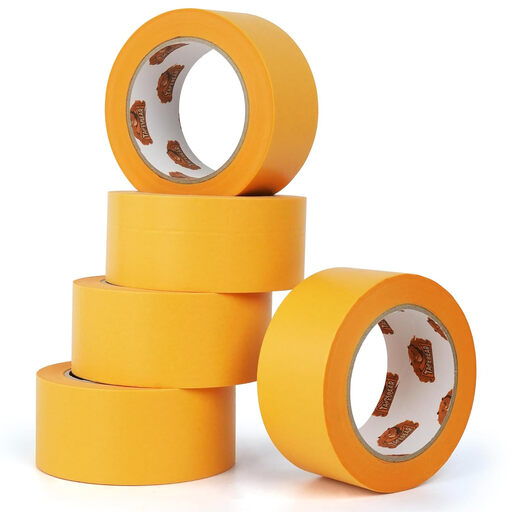
Why This Fits Their Persona: Ideal for the DIY enthusiast or professional who wants sharp, professional paint lines on walls, doors, and frames without the hassle.
This tape is made from washi paper with a low-tack adhesive. This prevents paint bleed and leaves no sticky residue, unlike cheaper crepe masking tapes.
According to the manufacturer, the tape is UV-resistant for up to 7 days, offering flexibility for outdoor jobs. The gold colour provides excellent visibility during application.
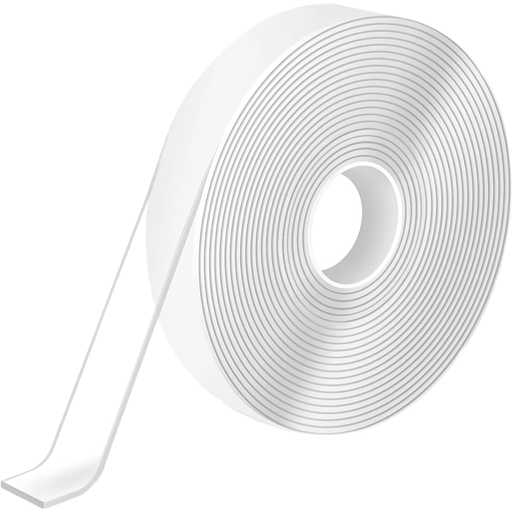
Why This Fits Their Persona: Perfect for hanging picture frames, smoke detectors, power strips, or securing a rug without making holes in the wall or floor.
While "strong" tape often causes permanent damage, this nano tape is designed for residue-free removal. You avoid the pitfall of irreparable damage to your plaster or paintwork.
According to the manufacturer, the tape is washable and reusable. Rinse it under the tap to restore its adhesive properties. The transparent gel is virtually invisible on most surfaces.
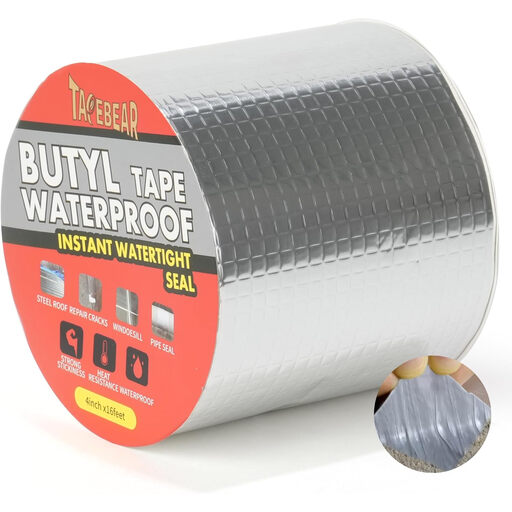
Why This Fits Their Persona: For the owner of an RV, caravan, or boat looking for a reliable, permanent solution for a leak in the roof, window, or hull.
Where duct tape fails as a permanent waterproof solution, this butyl tape is specifically designed for sealing. The pure butyl rubber forms a flexible, waterproof layer that won't dry out or crack.
The tape withstands extreme temperatures (-40°C to 80°C) and UV radiation. The aluminium top layer provides extra protection and durability. The 4-inch (10 cm) width is ideal for sealing seams.
We have compiled a complete, up-to-date list of products that fully meet these strict selection criteria and safety regulations.
For temporary tape, like painter's tape, pull it off slowly at a 45-degree angle. Do this when the paint is dry to the touch, not fully cured. For stronger mounting tape, it can help to first heat the adhesive with a hairdryer. Then, use a putty knife or a piece of dental floss to gently pry the tape loose. Always test on an inconspicuous area first.
Yes, but only if the packaging explicitly states it is suitable for outdoor use. This means the tape must be UV-resistant and water-resistant and have a wide temperature range. Standard indoor double-sided tape will quickly lose its adhesion outdoors.
Duct tape is a jack-of-all-trades for temporary fixes. It's strong and water-repellent, but not fully waterproof or UV-resistant. Butyl tape is a specialised repair tape for permanent sealing. It's made of rubber, remains flexible, and provides superior, long-lasting protection against water and the elements. For a leaking roof or gutter, butyl tape is the right choice.
