
Vandaag of morgen in huis

Kwaliteit gegarandeerd

Welkomstaanbiedingen ontgrendelen: GRATIS bezorging | Tot 80% korting | Gratis 30 dagen JoyPlus-proefperiode
Download de app
As soon as the sun appears, shelves fill up with an endless variety of sunscreen sprays. The promises on the packaging are often bold, but what do they really mean? The wrong choice not only leads to a sticky feeling but can also leave your skin inadequately protected. Before you make a purchase, it's wise to be aware of a few common pitfalls.
To make an informed choice, it helps to understand a few specifications. This will help you see through marketing jargon and select a product that fits your needs.
The Sun Protection Factor (SPF) indicates how well a product protects against UVB radiation, the rays that cause sunburn.
A higher factor offers slightly more protection, but no SPF provides a 100% block. Regular and generous application remains key.
Good sun protection goes beyond just UVB. UVA rays penetrate deeper into the skin and are the primary cause of premature skin aging. A product that protects against both is called "broad-spectrum." Look for the UVA logo on the packaging (the letters UVA in a circle). This guarantees that the UVA protection is at least one-third of the stated SPF, in accordance with EU recommendations.
The effectiveness of a sunscreen also depends on how pleasant it is to use. Texture plays a major role in this.
Based on objective product features, we have selected a number of sunscreen sprays that cater to different needs.
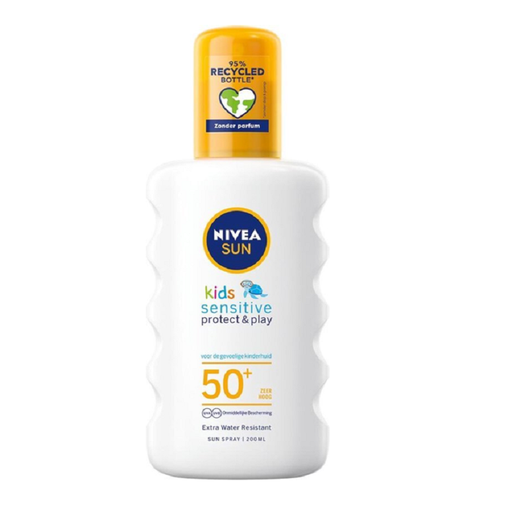
Why This Fits Their Persona: This spray is specially formulated for delicate children's skin. The high SPF 50+ and fragrance-free formula make it a suitable choice for a day at the beach or playing outside, even for children with sensitive or eczema-prone skin.
The formula is extra water-resistant, but the packaging avoids unrealistic "waterproof" claims. This reminds parents to reapply after swimming for reliable protection.
High, broad-spectrum protection (SPF 50+ & UVA) and a fragrance-free formula that, according to the manufacturer, is suitable for eczema-prone skin.
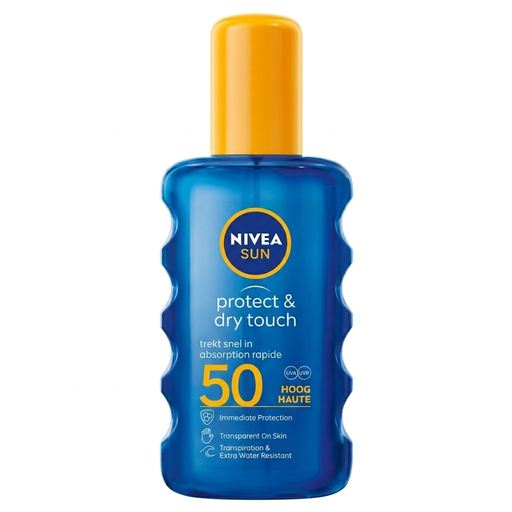
Why This Fits Their Persona: For those who don't want to be hindered by a sticky layer during sports. This transparent spray absorbs quickly, feels non-greasy, and is sweat-resistant according to the manufacturer, making it ideal for a run or a game of beach volleyball.
The "Dry Touch" formula tackles the problem of a greasy, uncomfortable texture, a common reason why people (especially athletes) skip applying sunscreen.
100% transparent formula that leaves no white streaks and is extra water- and sweat-resistant, as stated in the product description.
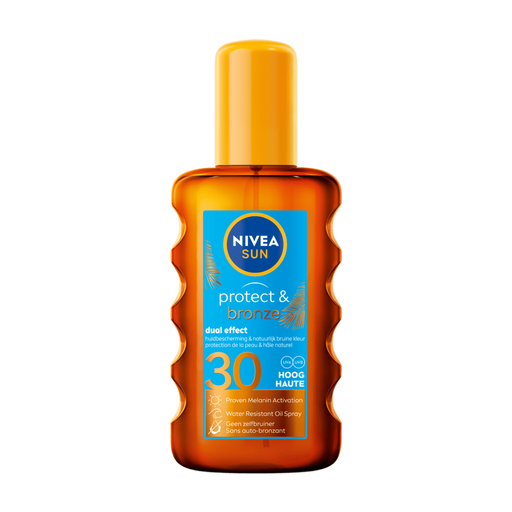
Why This Fits Their Persona: This sunscreen oil combines protection with a formula that supports the natural tanning process. Perfect for those who want to sunbathe safely while building an even, natural tan, without any self-tanner.
This product avoids the pitfall of vague tanning claims by clearly specifying that it contains pro-melanin extract to stimulate the skin's own process, and is not a self-tanner. The SPF 30 simultaneously provides solid protection.
Combines UVA/UVB protection with a formula that stimulates natural melanin production. The oil texture feels nourishing and leaves the skin feeling soft.
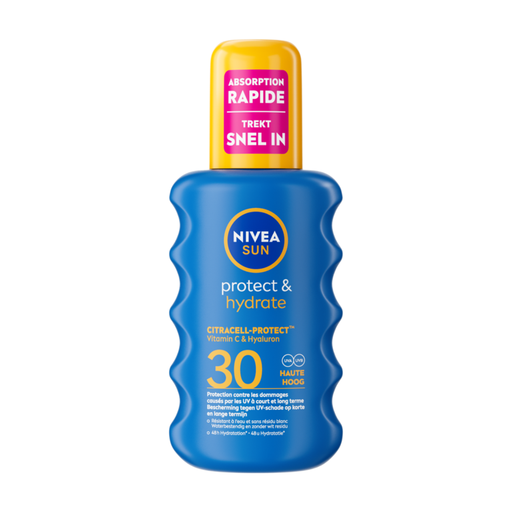
Why This Fits Their Persona: For those looking for a reliable everyday sunscreen that not only protects but also cares for the skin. The light, hydrating formula makes it a comfortable choice for daily use, without a heavy or sticky feeling.
This spray addresses the problem of sun-induced dehydration. Instead of just protecting, the formula provides up to 48 hours of hydration according to Nivea, keeping the skin comfortable and encouraging daily use.
The formula is hydrating and absorbs quickly without leaving a white cast. The SPF 30 provides good baseline protection for daily use in the UK and similar climates.
We have compiled a complete, up-to-date list of products that meet these selection criteria and local regulations.
A common mistake is using too little product. For a spray, a good rule of thumb is to apply it generously until there is a visible sheen on the skin. Then, rub it in well to ensure you haven't missed any spots. Repeat this every two hours, and more frequently after swimming, sweating, or towel-drying.
SPF 50 blocks about 98% of UVB rays, while SPF 30 blocks about 97%. The difference seems small, but that extra percentage can be important for very fair skin, children's skin, or during moments of extreme sun intensity (like on the water or in the mountains). For most situations, SPF 30 provides sufficient protection, provided it is applied correctly.
Look for UVA protection. UVB rays cause sunburn, but UVA rays are responsible for premature skin aging. A product with the circular UVA logo on the packaging offers broad-spectrum protection and thus also helps to protect the skin from sun-induced aging.
