
Same-day & Next-day Delivery

Quality Guaranteed

Unlock Your Welcome Offers: FREE Delivery | Up to 80% OFF | Free 30-day JoyPlus trial
Download the APP
Whether you're facing a tight deadline, preparing for a tough workout, or need to stay focused during a long gaming session, sometimes an energy boost is exactly what you need. Traditional energy drinks are often high in sugar, which can lead to an unwanted sugar crash and extra calories. A sugar-free energy drink provides focus and energy, without the downsides.
This guide will help you navigate the various options. We'll look at the ingredients, purpose and packaging, so you can make a choice that fits your lifestyle.
The shelves are packed with different brands and flavours. To make the right choice, it's helpful to pay attention to a few key things.
Not all caffeinated drinks are created equal. The amount of caffeine can range from 80 mg to over 160 mg per can. Check the label for the exact amount to determine what works for you. Additionally, many drinks contain extra functional ingredients. For example, an energy drink with BCAAs (Branched-Chain Amino Acids) can be beneficial for athletes, as these amino acids play a role in muscle recovery. Other common additives include B vitamins and taurine. A drink with this composition can serve well as a pre-workout drink.
Since they contain no sugar, sweeteners like sucralose, acesulfame-K, or erythritol are used instead. This makes taste a highly personal preference. Some people prefer one sweetener over another. If you're trying a new flavour, it's wise to buy a single can before committing to a whole tray.
Energy drinks are often sold in bulk. Buying a tray of energy drinks is usually more cost-effective per can and ensures you always have a supply on hand. Keep an eye out for an energy drink deal to save even more. The can sizes also vary, from the standard 250 ml to larger 500 ml formats.
Based on product specifications and popular choices, we've highlighted a few options for you.
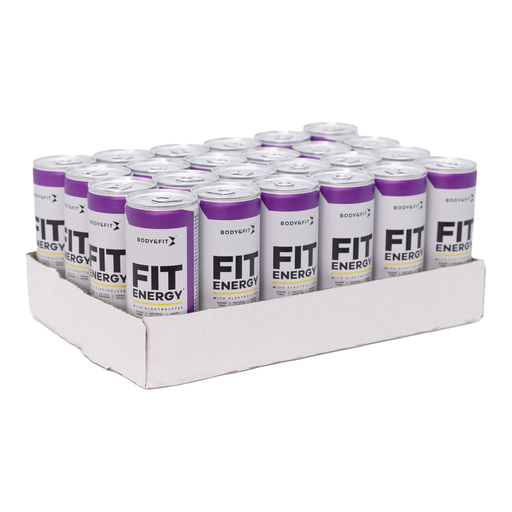
Why It Stands Out: This energy drink is specifically formulated with athletes in mind. In addition to 100 mg of caffeine per 250 ml can, it contains a significant amount of amino acids, including 2000 mg of BCAAs. The addition of magnesium contributes to normal muscle function.
Benefits:
Who Is It For? Ideal for fitness enthusiasts and athletes looking for a functional energy drink that provides support before and after training, without any sugar or calories.
More information about Fit Energy Drink
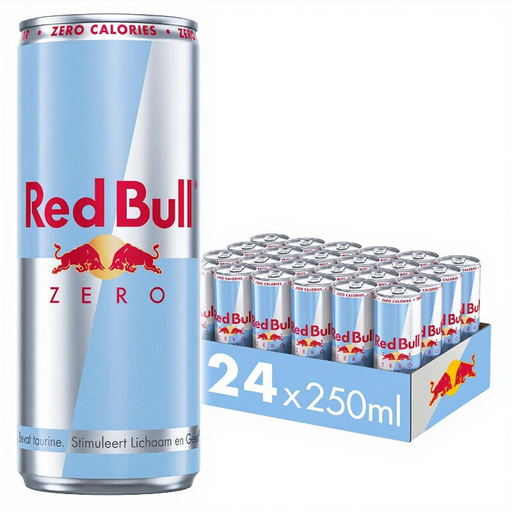
Why It Stands Out: Red Bull is one of the most recognizable names in the world of energy drinks. The sugar-free version offers the classic flavour and formula, but without the sugar. It contains 80 mg of caffeine per 250 ml, supplemented with taurine and a range of B vitamins like B3, B5, B6 and B12.
Benefits:
Who Is It For? For anyone who wants the classic Red Bull experience without the sugar. Suitable for students, professionals and athletes who need a reliable and familiar boost.
Check the current price of Red Bull Sugar-Free
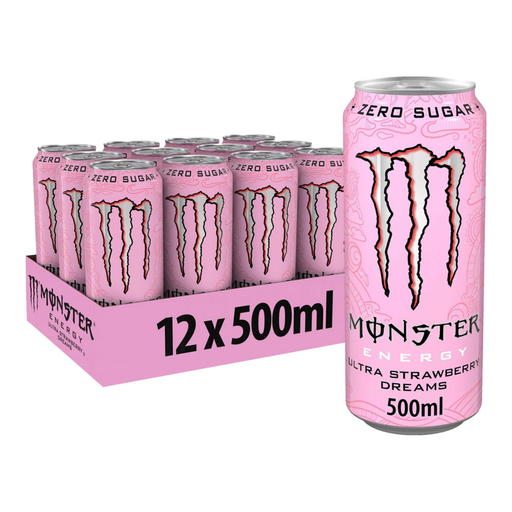
Why It Stands Out: The Monster Ultra line is known for its sugar-free formulas with bold flavours. The Strawberry Dreams variant comes in a large 500 ml can and contains 150 mg of caffeine. Its refreshing strawberry flavour makes it a popular choice for those who want something different from the standard energy drink taste.
Benefits:
Who Is It For? Perfect for gamers, students during a late-night study session, or anyone who needs a powerful, long-lasting energy boost in a larger can with a sweet, fruity flavour.
More information about MONSTER ENERGY Ultra
The world of sugar-free energy drinks is vast and diverse. Beyond this selection, countless other flavours, brands and formulations are available that might better suit your specific needs.
Discover more sports and energy drinks
While many sugar-free energy drinks can be used as a pre-workout drink, there are differences. Dedicated pre-workout supplements often contain a more complex mix of ingredients specifically targeted at athletic performance, such as higher doses of beta-alanine, citrulline and creatine. An energy drink with BCAAs is a good middle ground, as it provides both energy and amino acids for your muscles.
Yes, in most cases, the price per can is lower when you buy a tray of energy drinks. It's not only more economical but also convenient, as you'll have a supply ready at home. Look out for an energy drink deal to reduce costs even further.
According to the European Food Safety Authority (EFSA), a daily intake of up to 400 mg of caffeine is considered safe for most healthy adults. This excludes pregnant women, for whom a lower limit is advised. Always check the label for the caffeine content per can and consider other sources of caffeine like coffee or tea. The warning "Not recommended for children and pregnant or breastfeeding women" is on the packaging for a reason.
