
Vandaag of morgen in huis

Kwaliteit gegarandeerd

Welkomstaanbiedingen ontgrendelen: GRATIS bezorging | Tot 80% korting | Gratis 30 dagen JoyPlus-proefperiode
Download de app
Whipping up a quick, flavourful meal after a long day—that's the promise of a jar of stir-fry sauce. But once you're in the supermarket, you're faced with a wall of choices. From teriyaki to curry, sweet and sour to black bean. The packaging promises an authentic Asian experience, but the reality is often a disappointing, watery sauce.
As a Joybuy Product Recommendation Officer, I see the challenges consumers face every day. Many ready-made stir-fry sauces aren't what they seem. Before you put a bottle in your basket, it's wise to be aware of a few common pitfalls.
You don't need to scrutinize ingredient lists to avoid a bad purchase. By focusing on three key points, you can make a much better choice that suits the dish you want to create.
Stir-fry sauces can be broadly categorised by their dominant flavour profile. Think about what you're going to stir-fry (chicken, vegetables, noodles) and choose a base that complements it.
Don't be fooled by pretty pictures of fresh vegetables. Turn the bottle over and look at the nutritional information table per 100g or 100ml. Pay specific attention to two values:
Check the consistency and the instructions for use.
Based on these criteria, we have selected a number of stir-fry sauces that suit different home cooks and meals.
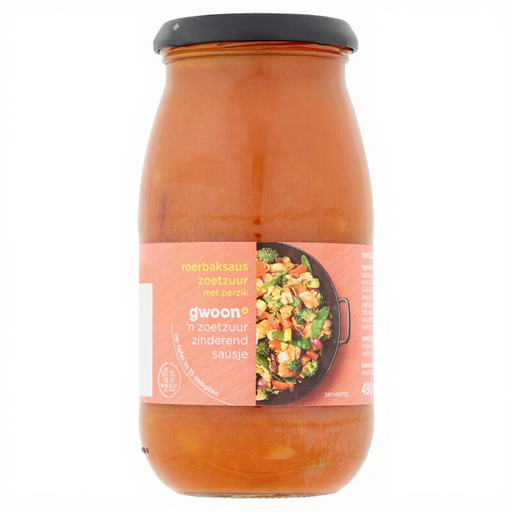
Why This Fits Their Persona: Ideal for busy families or professionals who want a quick, familiar, and accessible meal. The classic sweet and sour flavour with a fruity twist of peach is a crowd-pleaser and provides an easy base for a dish with chicken and rice.
This sauce avoids the pitfall of a vague flavour promise. It is clearly a sweet and sour sauce with peach. The nutritional values are clearly stated, so you know exactly what you're buying in terms of sugar and salt content.
The large 490g bottle is practical and economical for multiple meals. According to the manufacturer, it contains 21% peach for a distinct fruity character.
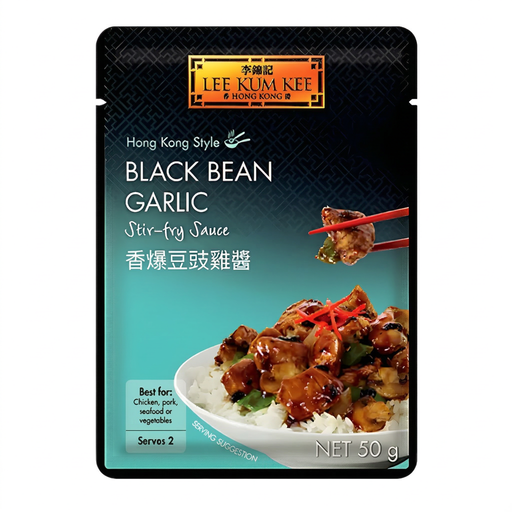
Why This Fits Their Persona: For the home cook who wants to recreate the specific, savoury flavour of a Cantonese restaurant dish. This sauce is not generic; it's specifically designed for dishes like chicken or beef in black bean sauce.
This is the opposite of a vague 'all-in-one' sauce. It delivers the authentic, salty, and umami-rich flavour of fermented black beans, exactly what you expect from a black bean sauce.
Delivers a concentrated, authentic flavour. The convenient 50g single-serving packet is ideal for one meal and prevents waste.
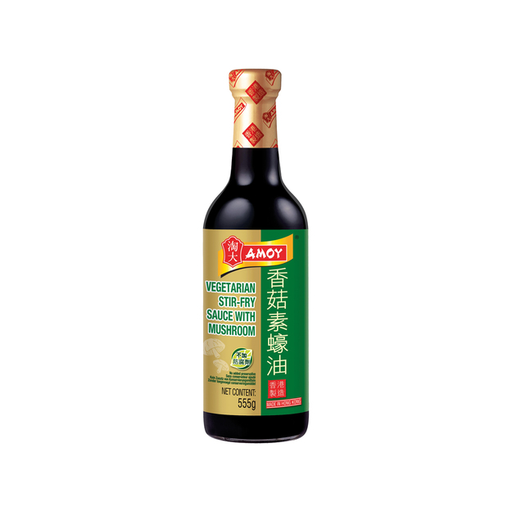
Why This Fits Their Persona: Perfect for vegetarians, vegans, or anyone looking to give a plant-based meal a deep, savoury umami flavour. It's an excellent alternative to oyster sauce, but made entirely from mushrooms.
This vegetarian stir-fry sauce is explicit and honest about its ingredients. The umami flavour comes from dried mushrooms and yeast extract, not from hidden animal products or artificial flavour enhancers.
Completely suitable for vegetarians. The large 555g bottle makes it a versatile sauce for stir-frying, braising, or as a dipping sauce.
We've compiled a complete, up-to-date list of products that meet these selection criteria.
This depends heavily on the concentration of the sauce. For a ready-to-use stir-fry sauce, a guideline is often 2 to 3 tablespoons per person. For a concentrated paste, one tablespoon for an entire dish may be sufficient. The packaging usually provides good advice on the recommended amount.
Once opened, stir-fry sauce should always be stored in the refrigerator. Most liquid sauces will then last for 3 to 7 days. Sauces with a high salt, sugar, or oil content, such as a concentrated paste, often stay fresh longer. Always check the label for the manufacturer's specific storage advice.
In practice, these terms are often used interchangeably. "Stir-fry sauce" is the general term, while "wok sauce" can sometimes imply a sauce with a specific Asian stir-fry sauce profile (like teriyaki or hoisin). Functionally, for the consumer, there's usually no difference: both are designed to flavour a stir-fried dish.
