
Vandaag of morgen in huis

Kwaliteit gegarandeerd
Download de app
Categorieën

The laundry basket is overflowing, and the mountain of ironing only seems to grow. For those seeking efficiency and a crease-free finish, a steam generator can be a significant upgrade from a traditional steam iron. But buying a steam generator is an investment, and the range of options is vast. A model with insufficient power or a water tank that's too small can quickly lead to frustration. This guide will help you understand the specifications and find a model that perfectly matches your needs.
A steam station operates with a separate water tank (the 'generator') that produces high-pressure steam and delivers it to the iron through a hose. This results in a more powerful and consistent steam output. Pay attention to the following parameters when making your choice.
The steam pressure, expressed in bars, indicates the force with which steam is pushed into the fabric's fibres. Higher pressure means the steam penetrates deeper, making it easier to smooth out even stubborn creases in thick fabrics like denim or linen.
This is the amount of steam the appliance can consistently produce, measured in grams per minute (g/min). A higher continuous steam output allows you to glide smoothly and quickly over the fabric, making creases disappear in a single pass. A value of 120 g/min or more is generally considered highly effective.
The steam boost is a temporary, extra-powerful burst of steam designed to tackle the most stubborn creases. A steam boost of 300 g/min or more is powerful enough for most challenges.
The capacity of the water tank determines how long you can iron without refilling. A tank of 1.5 litres or more is practical for large laundry loads. A detachable tank is convenient as it allows you to refill it directly from the tap, even while the iron is on.
Limescale is the greatest enemy of any steam appliance. A good anti-calc steam generator is essential for a long lifespan and consistent performance. Systems range from calc collectors that you can empty to special anti-calc cartridges.
Many models offer a vertical steaming function. This is ideal for quickly refreshing hanging garments, curtains, or upholstery.
Based on objective product parameters, we have curated a selection of models that stand out for their specifications.
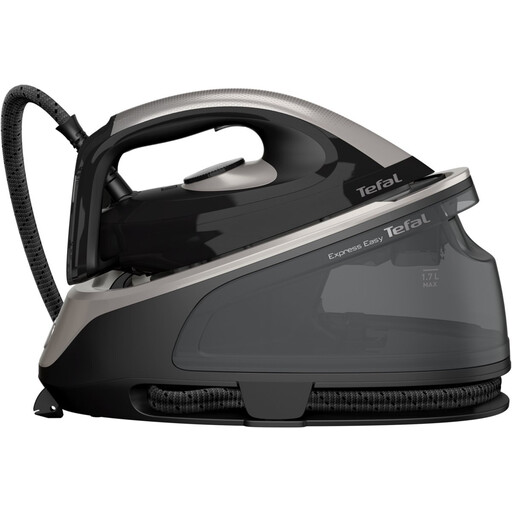
Why this product: The Tefal SV6140 is a compact and powerful all-rounder. With a 6-bar pump pressure and a continuous steam output of 120 g/min, this model delivers solid performance for most households. The large, 1.7-litre detachable water tank ensures you can iron for extended periods.
Benefits:
Who is this for? This model is an excellent choice for families switching from a traditional iron to a steam generator iron, seeking a noticeable improvement in speed and results without immediately investing in a top-tier model.
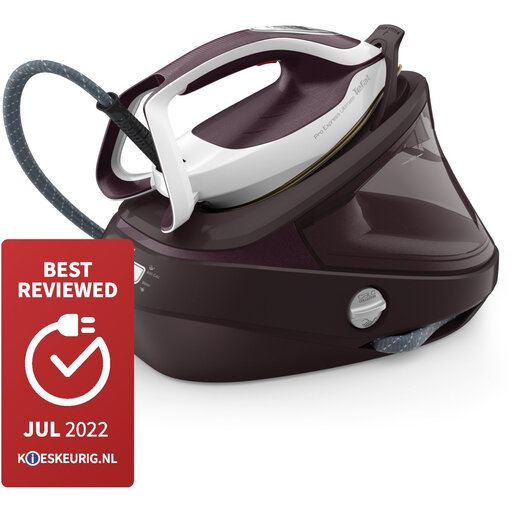
Why this product: The Tefal Pro Express Ultimate II (GV9721) is engineered for maximum performance. Its very high steam pressure of 7.9 bar and impressive 170 g/min continuous steam output make this model extremely efficient. The 600 g/min steam boost is powerful enough for the most demanding fabrics.
Benefits:
Who is this for? This is a model for the demanding user who wants to achieve a perfect, smooth finish on large weekly laundry loads, including heavy fabrics. Its specifications are geared towards maximum speed and power.
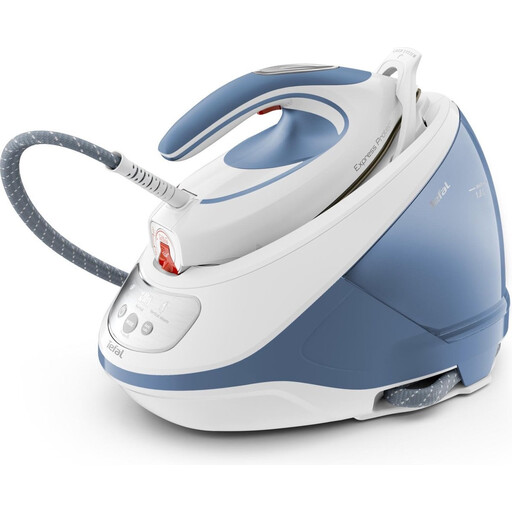
Why this product: The Tefal Express Protect SV9202 combines power with ease of use. Its 'no-setting' technology automatically adjusts the steam and temperature to the fabric type, eliminating the risk of scorching. With a 7.5-bar pump pressure and a 520 g/min steam boost, this appliance delivers outstanding performance.
Benefits:
Who is this for? Ideal for those seeking a powerful Tefal steam generator that also offers a worry-free ironing experience. The automatic adjustment is perfect for users who want to move quickly through different types of textiles without manually changing settings.
Choosing a steam generator is a personal decision that depends on your ironing habits and budget. The models listed above are just a sample of the available range. Curious about other models with different specifications or from other brands?
Browse all express appliances for a broader overview.
The main difference lies in the location of the water tank and how steam is produced. A steam iron has a small, built-in tank and generates steam within the iron itself. A steam generator has a large, separate base station that converts water into high-pressure steam, which is then fed through a hose to the lighter iron. This results in a much more powerful and consistent steam output.
The method depends on the type of anti-calc system. Many models, like those from Tefal, feature a calc collector. This is a rod or container that you periodically remove from the unit, rinse under the tap, and reinsert. Other systems use cartridges that must be replaced after a certain period of use. Always consult the user manual for your specific model for the correct procedure.
For most modern steam generators, using untreated tap water is acceptable, provided you regularly maintain the anti-calc system. In areas with very hard water (high limescale concentration), manufacturers often recommend mixing tap water with demineralised water in a 50/50 ratio. Never use purely demineralised or distilled water unless the manual explicitly states to do so, as this can damage the internal components.