
Vandaag of morgen in huis

Kwaliteit gegarandeerd

Welkomstaanbiedingen ontgrendelen: GRATIS bezorging | Tot 80% korting | Gratis 30 dagen JoyPlus-proefperiode
Download de app
As a Joybuy Product Recommendation Officer, I see how much attention goes into finding the perfect athletic shoes every day. But the socks? They are often an afterthought. However, the wrong socks can lead to blisters, sweaty feet, and discomfort, which can seriously ruin your workout. Good sports socks aren't a luxury; they are an essential part of your gear.
This article is designed to help you make an informed choice. We'll explore the features that truly make a difference and present a selection of popular models known for their comfort and functionality.
Before we dive into the products, here are a few practical tips to help you find the right socks for your activity.
The material determines how well a sock manages moisture. Cotton feels soft but retains moisture, which can lead to a clammy feeling and blisters. For sports activities, synthetic materials like polyester and nylon are often a better choice. These fabrics are moisture-wicking, meaning they pull sweat away from the skin to the surface of the sock, where it can evaporate. This keeps your feet drier and more comfortable.
Depending on your sport, you may need more cushioning. Cushioned socks have thickened zones under the heel and the ball of the foot. This is ideal for high-impact sports like running or fitness, as it helps absorb shock. Also, look for features like a ribbed band around the arch. This provides extra support and ensures the sock doesn't slip inside your shoe.
Sports socks come in various heights: from invisible 'no-show' socks to higher 'crew' models that reach the calf. The choice is personal, but taller socks can offer extra protection against chafing, for instance, when using fitness equipment or during trail running. Always make sure you choose the right size to prevent them from slipping down or feeling too tight.
Based on functionality and material specifications, we have compiled a list of top-rated models for you.
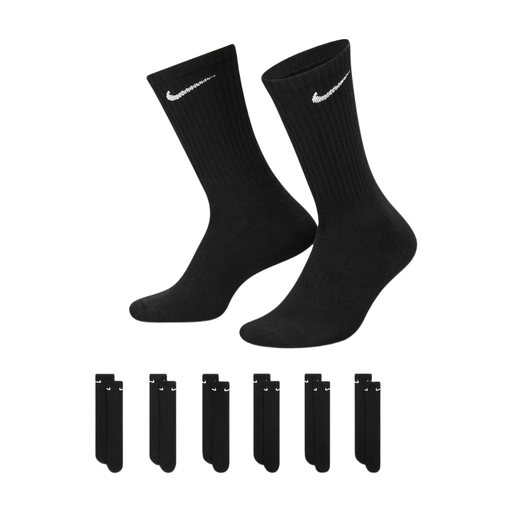
Why It Stands Out: These Nike socks are a popular choice for general training and fitness. According to Nike, the Dri-FIT technology helps keep your feet dry and comfortable. The thick terry sole provides noticeable cushioning, which is pleasant during high-impact exercises.
Pros:
Who It's For? These are excellent all-around training socks for anyone who regularly goes to the gym or participates in various sports and is looking for a reliable, comfortable sock for daily use.
View the Nike Everyday Cushion Crew socks
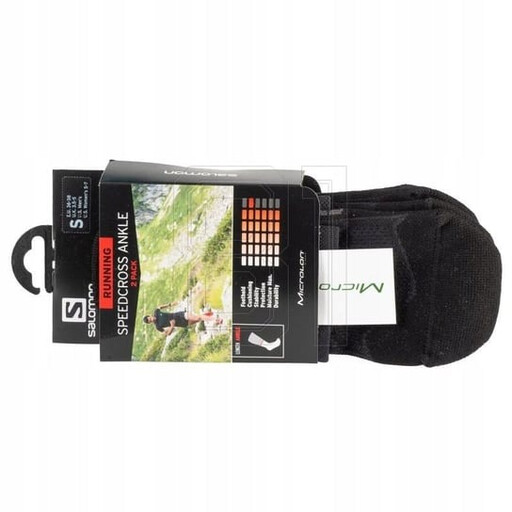
Why It Stands Out: With these socks, Salomon specifically targets runners. The materials (polyester, nylon, and elastane) were chosen for their moisture-wicking and quick-drying properties. The design is lightweight, and the cushioning is strategically placed for comfort during a run.
Pros:
Who It's For? These running socks are a solid choice for serious runners, both on the road and on trails, who are looking for a technical sock that prioritises moisture management and comfort.
View the Salomon Speedcross Ankle socks

Why It Stands Out: These Adidas socks combine the soft feel of cotton with the durability and stretch of polyester and elastane. They offer cushioning under the toes and heel and have built-in arch support. This makes them versatile for both sports and daily wear.
Pros:
Who It's For? For athletes seeking a versatile sock that provides comfort during both light workouts and daily life. The classic look and multi-pack make it a practical choice.
View the Adidas Essentials Cushioned Crew socks
The right sock is highly personal. For those looking for a unique fit that envelops each toe separately for maximum freedom of movement and less friction, Japanese toe socks can be an interesting option. They are often used for activities like yoga, pilates, or by runners who want to prevent blisters between their toes.
Discover our selection of Japanese toe socks
The main difference lies in the material and construction. Sports socks are typically made from moisture-wicking synthetic materials that draw sweat away, whereas many regular socks are made of cotton, which retains moisture. Additionally, sports socks often have extra features like cushioned zones, compression, and anatomical support that are absent in standard socks.
This depends on how often you use them and the intensity of your workouts. A good indication that it's time for a replacement is when the socks lose their elasticity and start to slip down, or when the cushioned zones feel flat and worn out. Holes or thin spots are, of course, also a clear sign.
If you are prone to sweaty feet, opt for socks made from materials known for their moisture-wicking properties. Synthetic fabrics like polyester, nylon, and polypropylene are excellent for this. Merino wool is a natural alternative that also regulates moisture and is naturally odour-resistant. Avoid socks made of 100% cotton.
