
Vandaag of morgen in huis

Kwaliteit gegarandeerd

Welkomstaanbiedingen ontgrendelen: GRATIS bezorging | Tot 80% korting | Gratis 30 dagen JoyPlus-proefperiode
Download de app
The sunscreen aisle can be overwhelming. Dozens of bottles promise perfect protection, but what do those claims really mean? As a Product Recommendation Officer at Joybuy, I see people struggle with this choice every day. Many products look similar, but the details are what separate good protection from a poor purchase. Before you make a decision, it's helpful to understand a few common pitfalls.
Pitfall 1: The "water-resistant" myth. The term water-resistant sunscreen doesn't mean the cream offers full protection after a swim. According to EU guidelines, it means the SPF value is still at least 50% effective after two 20-minute periods in the water. "Very water-resistant" extends this to four 20-minute periods. Regular reapplication, especially after towel-drying, remains essential.
Pitfall 2: Seeing a high SPF as a free pass. An SPF 50 sunscreen blocks about 98% of UVB rays. An SPF 30 blocks 97%. The difference seems small, but for sensitive skin or in intense sun, every percentage point counts. However, a high factor doesn't mean you're protected all day. Effectiveness decreases due to sweat, friction, and time. The key is to apply generously and frequently.
Pitfall 3: Assuming "for the face" is always better. A sunscreen for the face often has a lighter texture and is formulated to not clog pores (non-comedogenic). But the basic protection isn't necessarily better than a good body lotion. The added value lies in its cosmetic properties, such as a mattifying sunscreen for oily skin or a formula without a white cast. So, look beyond the label and pay attention to the ingredients and texture that suit your skin.
To make an informed choice, there are a few technical specifications you should check. These determine the actual quality of the protection.
The SPF factor on the bottle only indicates protection against UVB rays, which cause sunburn. UVA rays penetrate deeper into the skin and are the main cause of premature skin ageing. A good sunscreen offers "broad-spectrum" protection against both. In Europe, you can recognise this by the UVA logo: the letters UVA in a circle. This guarantees that the UVA protection is at least one-third of the stated SPF value.
Not every sunscreen is suitable for every skin type. The texture and ingredients are crucial for comfort and preventing skin issues.
Children's skin is thinner and more vulnerable. A sunscreen for children is therefore often extra mild, fragrance-free, and very water-resistant. For athletes, a formula that adheres well and doesn't sting the eyes when you sweat is essential.
Based on product specifications and use cases, we have selected a few options that cater to different profiles.
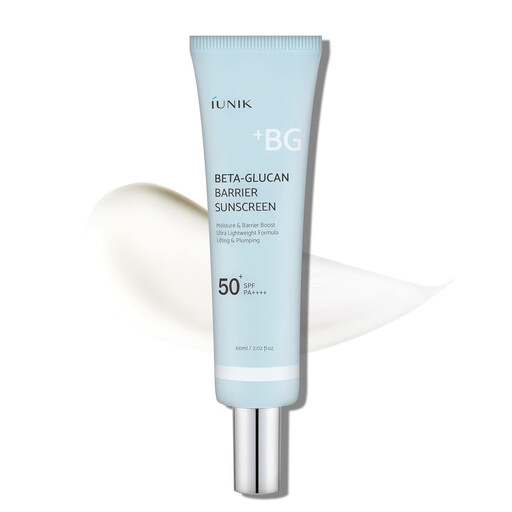
Why This Fits Their Persona: This Korean sunscreen is ideal for those seeking a lightweight, hydrating formula for daily use. The texture is designed to feel comfortable under makeup, without leaving a sticky or heavy feeling.
This product tackles the "white cast" pitfall. The formula is specifically developed to absorb invisibly, making it a great choice for diverse skin tones.
Offers high, photostable SPF 50+ PA++++ protection. The formula is geared towards a matte finish with no white cast, making it pleasant for daily use.
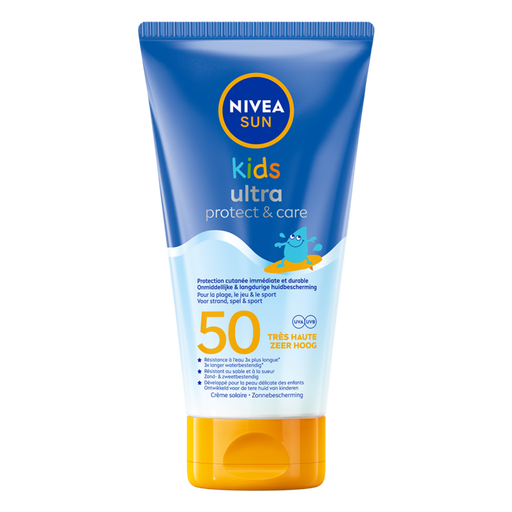
Why This Fits Their Persona: Perfect for a day at the beach or playing in the garden. This sunscreen for children is designed to stay on during active play and is suitable for sensitive kids' skin.
This product is more specific than just "water-resistant." According to Nivea, the formula is 3x more water-resistant than a standard water-resistant product, providing more clarity on its performance during swimming.
The formula is not only extra water-resistant but also sweat- and sand-resistant. Its skin compatibility has been paediatrically tested.
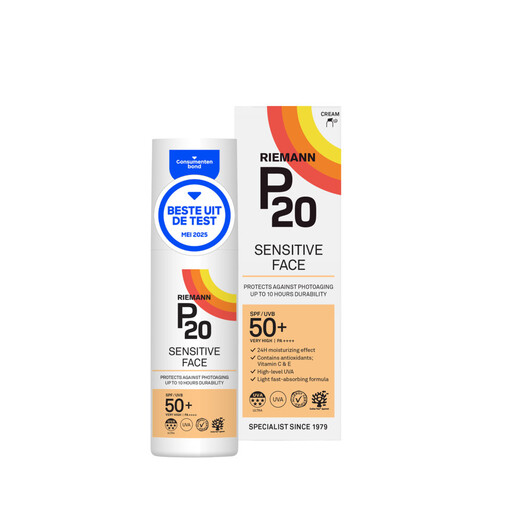
Why This Fits Their Persona: For those seeking a sunscreen for sensitive skin, a gentle formulation is crucial. This cream is specifically developed for the face and focuses on minimising irritation, with high SPF 50+ protection.
This product demonstrates the added value of a specific facial formula. It focuses on what truly matters for sensitive facial skin: a light texture and a composition that reduces the risk of reactions, rather than just repackaging a generic body lotion.
Provides very high, broad-spectrum UV protection (SPF 50+). The formula is designed for sensitive skin and contains nourishing ingredients like panthenol and glycerin.
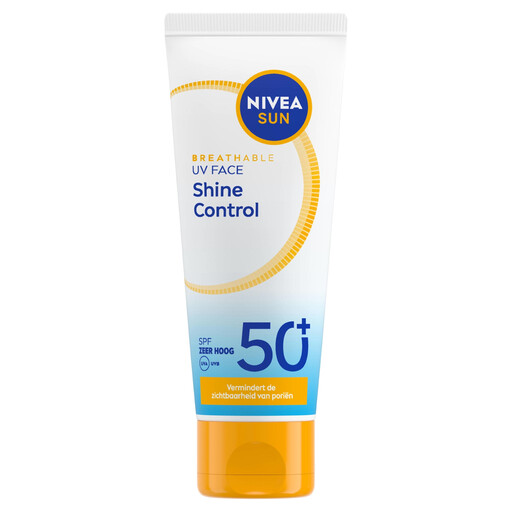
Why This Fits Their Persona: If you have oily skin, you want a sunscreen that not only protects but also combats shine. This formula is designed for an immediate and long-lasting mattifying effect, ideal for daily use.
This is a prime example of a "face sunscreen" that delivers on its promise. The formula contains specific oil-control ingredients, like tapioca starch, which offers a clear advantage over a standard sunscreen.
Provides a long-lasting mattifying effect and feels light and non-greasy. The formula is non-comedogenic, meaning it won't clog pores.
We have compiled a complete, up-to-date list of products that meet these selection criteria and current regulations.
A common mistake is applying too little. The SPF value on the packaging is measured at a thickness of 2 mg per square centimetre of skin. In practice, this is about 30-35 ml (a full shot glass) for an adult body. For the face and neck, you can use the "two-finger rule": a line of cream on your index and middle fingers is sufficient.
Mineral (or physical) filters, such as zinc oxide and titanium dioxide, form a layer on the skin that reflects UV rays. They work immediately upon application and are often well-tolerated by sensitive skin, but can sometimes leave a white cast. Chemical filters absorb into the skin and convert UV radiation into heat. They are often lighter in texture and completely transparent but need about 20 minutes to become effective. Many modern sunscreens contain a combination of both.
Check the packaging. Besides an expiration date, there is often an open jar symbol with a number inside (e.g., "12M"). This is the PAO (Period After Opening) and indicates how many months the product remains good after opening. If the cream has been opened and is older than the specified period, or if its texture, colour, or smell has changed, throw it away. The effectiveness of the filters may have significantly decreased.
