
Vandaag of morgen in huis

Kwaliteit gegarandeerd

Welkomstaanbiedingen ontgrendelen: GRATIS bezorging | Tot 80% korting | Gratis 30 dagen JoyPlus-proefperiode
Download de app
Soy sauce is an indispensable condiment in many kitchens, but the supermarket aisle can be overwhelming. Light, dark, Japanese, Chinese, less salt... the choices are endless. The wrong bottle can make or break your dish. As a Product Recommendation Officer at Joybuy, I often see where things go wrong. Before you put a bottle in your basket, let's discuss a few common pitfalls.
The biggest misconception is that one bottle of soy sauce is suitable for everything. Using a dark soy sauce as a dipping sauce for your sushi will result in a flavour that is too salty and overpowering. Another common mistake is confusing liquid soy sauce with the thicker soybean paste. They have completely different applications. Finally, people often don't pay attention to the sodium content, which can unintentionally make dishes far too salty.
To make the right choice, it's helpful to understand three basic principles. This will help you find exactly what you need for your dish.
This is the most important distinction. They are not interchangeable.
Brewing methods differ by country, resulting in different flavour profiles.
Although both are made from soybeans, they are two different products.
Below are some popular choices, matched to specific cooking styles and needs.
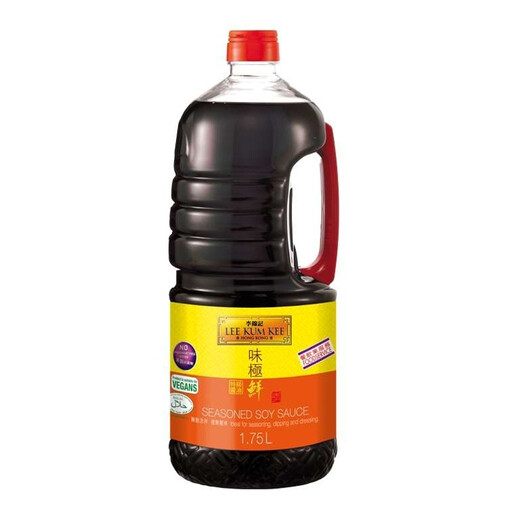
Why This Fits Your Persona: This is a reliable, versatile light soy sauce for daily use. Ideal for those who regularly cook Asian food and need a good base sauce for stir-frying, marinating, and dipping. The large bottle is also economical.
This 'seasoned' soy sauce is intended for flavour (umami and salt), not for colour. This prevents the mistake of using a dark sauce where a light one is needed.
Brewed with 15% soybeans for a rich flavour base. A true all-rounder for Asian cooking.
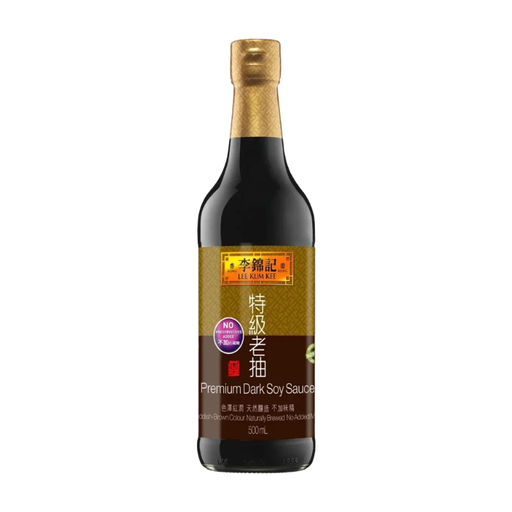
Why This Fits Your Persona: Perfect for anyone who loves making braised dishes ('red-braised' or 'Hong Shao'). This sauce is specially developed to give dishes a deep, glossy caramel colour and a rich, complex flavour.
This is a specialised sauce. It solves the problem of light soy sauce making your stew salty but not giving it the desired deep colour. You use it for colour and depth, not as the primary source of salt.
Provides a rich colour and deep flavour. It is less salty than light soy sauce, giving you more control over the final flavour balance.
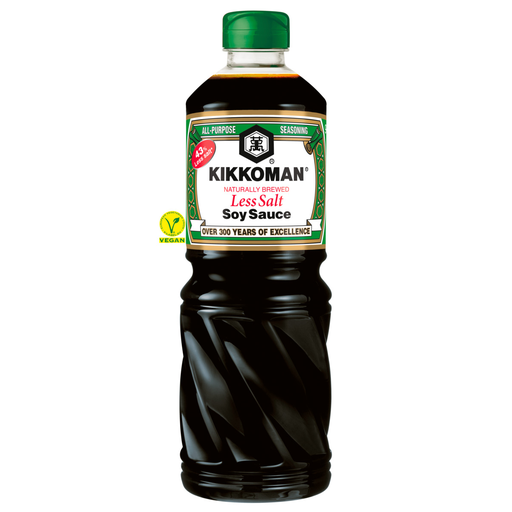
Why This Fits Your Persona: For those monitoring their salt intake but unwilling to compromise on authentic umami flavour. This Japanese soy sauce is versatile and retains the rich taste of Kikkoman, but with significantly less salt.
Directly addresses the pitfall of high sodium content. With 9.1g of salt per 100ml, you have more control over the flavour and your salt intake, compared to standard varieties that often contain 14-17g of salt.
Offers the familiar, balanced taste of a Japanese soy sauce with less salt. Ideal for those who cook consciously.
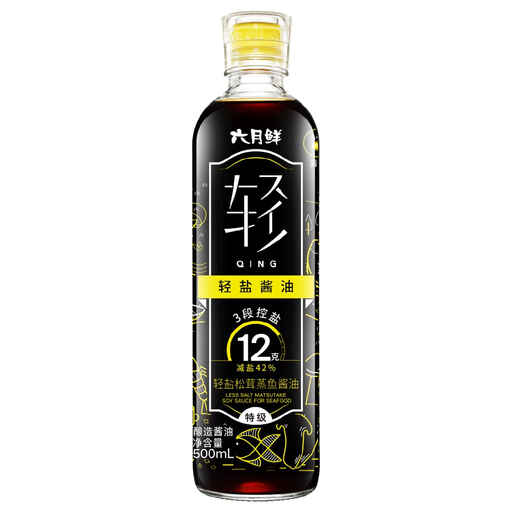
Why This Fits Your Persona: Specially developed as a soy sauce for seafood. Perfect for steamed fish and seafood, where the sauce should enhance the natural, delicate flavour rather than overpower it.
Avoids the classic mistake of pouring a standard, overly salty soy sauce over delicate fish. The addition of lemon juice helps to neutralise fishy odours, and the matsutake mushroom adds a subtle umami.
Specifically formulated for fish and seafood. Contains matsutake for a deep umami and lemon juice for freshness. It is also a lower-salt variety.
We've compiled a complete, up-to-date list of products that meet these selection criteria.
1. What is the difference between light and dark soy sauce? Light soy sauce is saltier and thinner, intended to add flavour to dishes (like in stir-fries). Dark soy sauce is thicker, less salty, and slightly sweet, and is used to give dishes a deep colour (like in stews).
2. How long does soy sauce last after opening? An opened bottle of soy sauce can last for several months to a year if sealed properly and stored in the refrigerator. The flavour may diminish slightly over time. Always check the label for specific storage advice.
3. Is soybean paste the same as soy sauce? No. Soy sauce is a liquid condiment. Soybean paste (or sauce) is a thick, fermented paste used as a cooking ingredient, for example, as a base for sauces or in stews. They are not interchangeable.
