
Vandaag of morgen in huis

Kwaliteit gegarandeerd
Download de app
Categorieën

Ever find yourself in the soy sauce aisle, wondering which bottle to choose? The selection is vast: light, dark, Japanese, Chinese, low-sodium, or gluten-free. The wrong choice can alter the taste of your dish or may not fit your dietary needs. This guide uses facts and product specifications to help you find the right soy sauce for your kitchen.
To make an informed decision, it's helpful to look at a few specific characteristics. These parameters will help you understand the differences and select the bottle that meets your culinary and dietary needs.
The base of soy sauce typically consists of soybeans, wheat, salt, and water. The proportions and brewing process determine the flavour and type.
Soy sauce is known for its salty, umami flavour. For those looking to limit their salt intake, there are several options for less-salt soy sauce or low-sodium soy sauce. Manufacturers use a special process to reduce the salt content, often by 30% to 50%, while preserving its signature flavour. Check the label, where the percentage of salt reduction is often stated.
The ingredients list is an important source of information.
Based on the criteria above, we have made a selection of soy sauces with distinct product features for different needs.
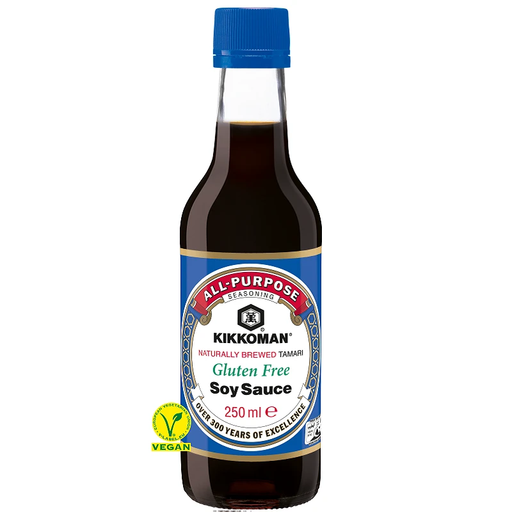
Why We Chose It This soy sauce was specifically developed as a gluten-free alternative. It is a tamari-style sauce, meaning it is made exclusively from soybeans, without the addition of wheat. This results in a pure, rich umami flavour.
Benefits
Who It's For This product is an excellent choice for home cooks on a gluten-free diet who don't want to compromise on the authentic taste of Japanese soy sauce. It is also suitable for those who prefer the pure flavour of a wheat-free soy sauce.
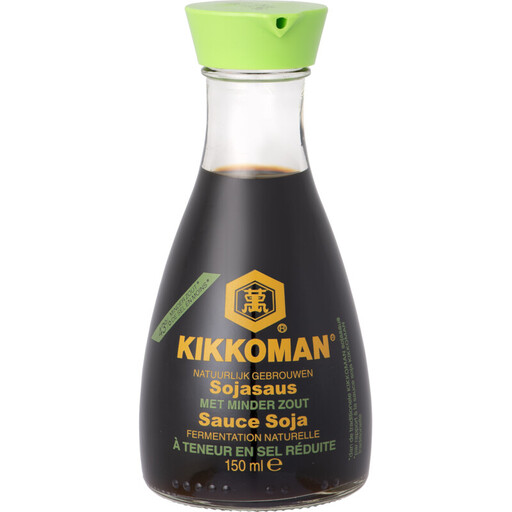
Why We Chose It This Kikkoman variant targets the health-conscious consumer. According to the manufacturer, this less-salt soy sauce contains 43% less salt than the regular Kikkoman soy sauce. The flavour is preserved through the natural brewing process.
Benefits
Who It's For Ideal for anyone who wants or needs to limit their salt intake without sacrificing umami flavour. A great all-rounder for daily use in a variety of dishes. Please note: this product contains wheat and is not gluten-free.
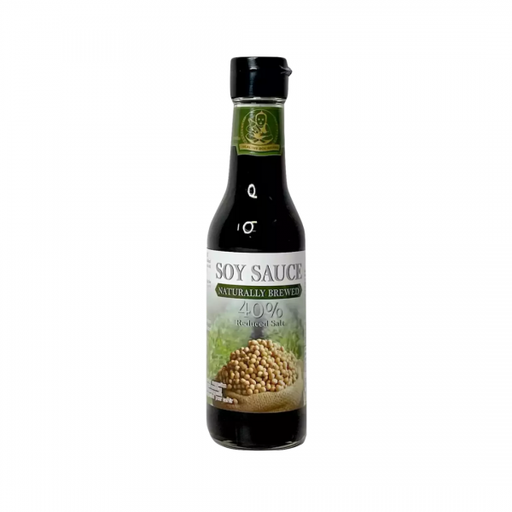
Why We Chose It Healthy Boy is a well-known brand in Thai cuisine. This low-sodium soy sauce offers a 40% sodium reduction compared to their standard formula. It is a versatile sauce that complements both Asian and fusion dishes.
Benefits
Who It's For A great option for home cooks who consciously choose less salt and appreciate the flavours of Southeast Asian cuisine. Like the Kikkoman Less Salt, this product contains wheat and is not gluten-free.
Soy sauce is a pantry staple in many kitchens. Besides buying soy sauce, are you looking for more inspiration or other essential products for your pantry? Take a look at our Reading Corner for more product guides and culinary ideas.
1. What is the difference between soy sauce and tamari? The main difference lies in the ingredients. Traditional soy sauce is brewed with soybeans and wheat. Tamari is traditionally made with only soybeans (or a very small amount of wheat), giving it a thicker texture and a richer, less salty flavour. As a result, tamari is often, but not always, a gluten-free soy sauce. Always check the label for a gluten-free certification.
2. Is low-sodium soy sauce a healthier choice? A less-salt soy sauce contains significantly less sodium than the regular version. For people who need to watch their salt intake, for instance due to high blood pressure, this can be a sensible choice. It allows them to add the desired umami flavour to dishes with a lower sodium content. The term "healthier" depends on individual nutritional needs and the overall diet.
3. How should I store soy sauce after opening? After opening, soy sauce is best stored in the refrigerator. The cold and dark environment helps to best preserve its flavour and colour. A well-sealed bottle will keep for many months in the fridge. Although it won't spoil quickly at room temperature, its quality (flavour and colour) can degrade over time.
Written by: Joybuy Product Recommendation Officer