
Vandaag of morgen in huis

Kwaliteit gegarandeerd

Welkomstaanbiedingen ontgrendelen: GRATIS bezorging | Tot 80% korting | Gratis 30 dagen JoyPlus-proefperiode
Download de app
Standing in the supermarket or browsing online, wondering which bottle of soy sauce to choose? Light, dark, low-sodium, Japanese, Chinese... the options can be overwhelming. The right soy sauce can make or break a dish. This guide is designed to help you find the right variety for your specific culinary needs, without the marketing fluff. We'll focus on the facts: the type, the ingredients, and the application.
Before you make a choice, it's helpful to understand the basic differences. This will help you zero in on the soy sauce that best suits your cooking style.
This is the most fundamental distinction, especially in Chinese cuisine. They are not interchangeable.
Traditional soy sauce contains a significant amount of salt. For those looking to limit their sodium intake or have more control over the flavour balance, a low-sodium soy sauce is an excellent option. These varieties still offer that characteristic umami flavour, but with significantly less sodium. Look for labels like "Less Salt" or "Low-Sodium" on the packaging.
Not all soy sauces are created equal when it comes to delicate flavours. For fish and seafood, a standard soy sauce can sometimes be too overpowering. A special soy sauce for seafood is often lighter and more refined, sometimes with additions like ginger or citrus to complement the flavour of the fish rather than mask it.
Based on product specifications and applications, we have made a selection that covers various cooking needs.
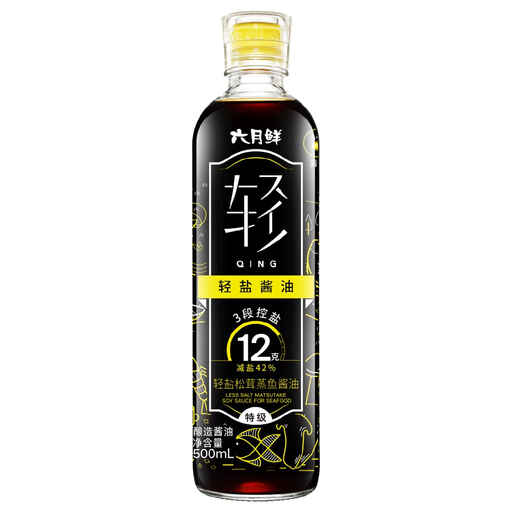
Why it stands out: This soy sauce is specifically developed for fish and seafood dishes. The addition of matsutake mushroom (≥10mg/100ml) provides a natural umami boost, while real lemon juice helps to neutralise any fishy odours and adds a fresh note.
Pros:
Who is it for? For the cook who regularly steams, blanches, or stir-fries fish and seafood and is looking for a low-sodium soy sauce that respects the delicate flavours of the dish.
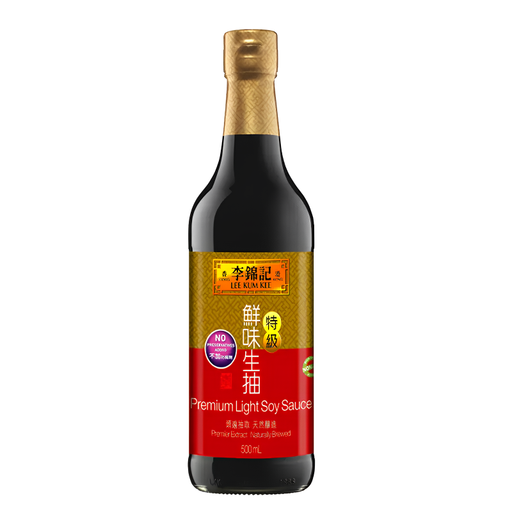
Why it stands out: This is a classic light soy sauce from Lee Kum Kee, a brand with over a century of experience. It is a reliable choice for everyday use, brewed from non-GMO soybeans.
Pros:
Who is it for? For anyone who wants a good, reliable Chinese soy sauce in their pantry. It's the perfect start for beginners and an indispensable base ingredient for experienced cooks.

Why it stands out: This dark soy sauce is the key to achieving that authentic, deep colour in many Chinese braised dishes. It is less salty than the light version and has a subtle sweetness.
Pros:
Who is it for? For the cook who wants to take their stews and marinades to the next level by adding authentic colour and depth. A little goes a long way.
The world of soy sauce is vast and diverse. Are you looking for a specific gluten-free option, a Japanese tamari, or another unique flavour?
-> Explore our full range of Chinese soy sauce here
1. What exactly is the difference between light and dark soy sauce? Light soy sauce is saltier and thinner, intended as a primary seasoning. Dark soy sauce is thicker, less salty, and slightly sweet, used mainly to give dishes a deep, dark colour.
2. Can I substitute light soy sauce for dark, or vice versa? It is not recommended. If you substitute light soy sauce with dark, your dish will become much darker and lack the salty flavour. If you substitute dark soy sauce with light, your dish will miss the characteristic deep colour and may become too salty.
3. What is the best way to store soy sauce after opening? To maintain optimal flavour and quality, it is recommended to keep the bottle tightly sealed in the refrigerator after opening. This prevents the flavour from dissipating or changing due to exposure to air and light.
