
Vandaag of morgen in huis

Kwaliteit gegarandeerd

Welkomstaanbiedingen ontgrendelen: GRATIS bezorging | Tot 80% korting | Gratis 30 dagen JoyPlus-proefperiode
Download de app
A delicate piece of steamed fish, cooked to perfection. You add a splash of soy sauce for that umami kick, but instead of enhancing the flavour, all you taste is salt. The subtle taste of the fish is completely gone. Sound familiar? You're not alone. Choosing the right soy sauce for fish is trickier than it seems, and many home cooks fall into the same traps.
Before you buy another bottle that ends up in the back of the cupboard, let's look at the most common mistakes:
To avoid wasting money, there are a few objective specifications you can check. These factors determine whether a soy sauce will elevate your fish dish or ruin it.
This is the most important factor. A good soy sauce for seafood should support the flavour, not dominate it. Check the label for the salt content per 100 ml. A low-sodium soy sauce is a wise choice here. Products with a salt content of around 9 to 12 grams per 100 ml are often a good benchmark. They provide enough flavour without overwhelming the delicate texture and taste of the fish.
The quality of a soy sauce is determined by how it's made. A premium light soy sauce is typically naturally brewed and fermented over a period of several months. This process develops a complex, rich umami flavour. Check the ingredients list: ideally, you should only see water, soybeans, wheat, and salt. A long list of chemical names or "hydrolyzed protein" often indicates a faster, chemical production method that results in a harsher, less nuanced flavour.
Some soy sauces are specifically designed for fish through the addition of functional ingredients. These are not meant to mask anything, but to complement the fish.
Based on these objective criteria, we have selected a few products that suit different types of home cooks.
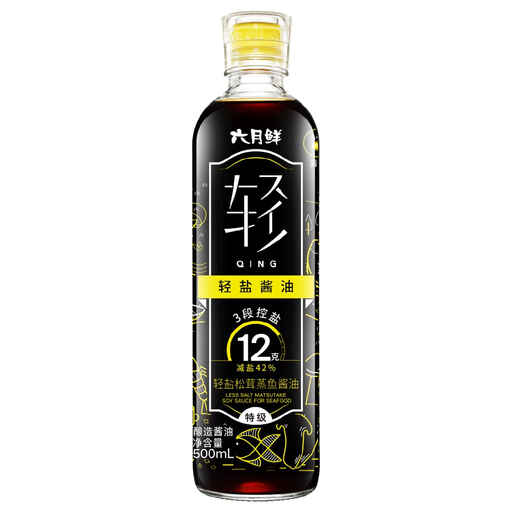
Why This Fits Their Persona: This sauce is for the cook who makes no compromises. The combination of a six-month brewing process with the addition of matsutake and lemon juice is specifically designed to enhance the delicate flavours of fish and seafood.
This is not a marketing gimmick. The ingredients (matsutake, lemon juice) are functional, and the salt content (12g/100ml) is perfectly balanced, keeping the fish flavour front and centre.
Unique umami from the matsutake mushroom.
Freshness from real lemon juice neutralises fishy odours.
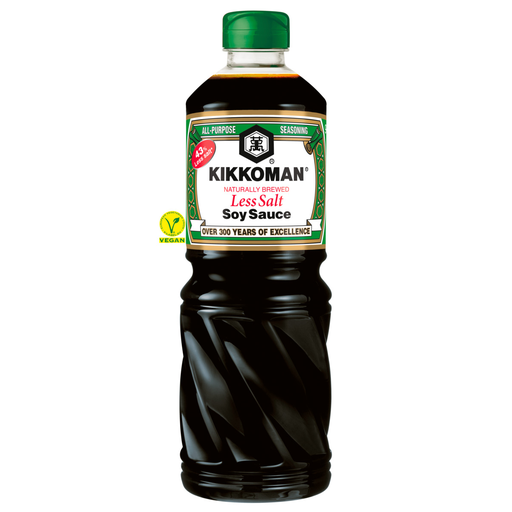
Why This Fits Their Persona: For those seeking a reliable, versatile, and salt-conscious option. Kikkoman is an established name synonymous with natural brewing. This version is perfect for everyday use, from fish to vegetables and marinades.
This low-sodium soy sauce has a significantly lower salt content (9.1g/100ml) and is naturally brewed. You get an authentic flavour without the harsh saltiness of lesser sauces.
Naturally brewed for a complex flavour.
Versatile for use in a wide range of dishes.
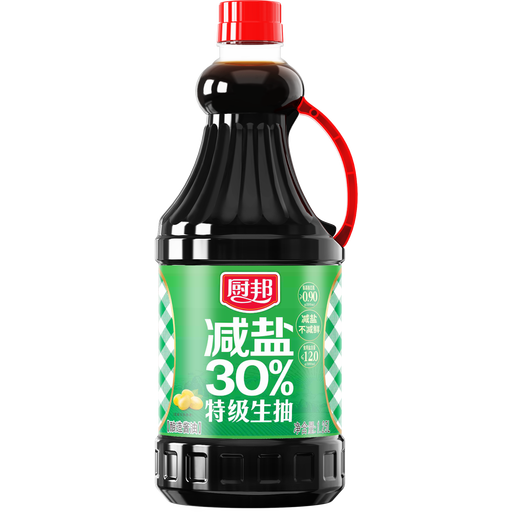
Why This Fits Their Persona: Ideal for families or home cooks who regularly cook Asian cuisine and want a large, reliable bottle in the pantry. This premium light soy sauce offers a great balance of price, volume, and quality.
The bottle communicates a clear, quantifiable 30% salt reduction. It's an honest product that delivers what it promises: a lighter, less salty flavouring for everyday use.
Large 1.25-litre bottle offers excellent value for money.
Clear 30% salt reduction.
We have compiled a complete, up-to-date list of products that fully meet these strict selection criteria and UK/EU regulations.
A classic and simple dressing for steamed fish is made as follows: steam the fish until cooked with some slices of ginger and spring onion. Gently heat a few tablespoons of light, low-sodium soy sauce (do not boil). Pour the warm soy sauce over the fish. Heat a tablespoon of neutral oil (like peanut oil) until it smokes and pour it over the ginger and spring onion on the fish to release their aromas.
For most fish dishes, and certainly for steaming and dipping, light soy sauce is the go-to choice. It is saltier and thinner, and intended to add flavour without drastically changing the colour or texture of the dish. Dark soy sauce is aged longer, often with added molasses, and is thicker, darker, and sweeter. It is mainly used to add colour and a deep, caramelised flavour to stews and red meat.
After opening, it's best to store a bottle of soy sauce in the refrigerator. Although the high salt content prevents spoilage, refrigeration ensures that the flavour and aroma are optimally preserved. An opened bottle will last for months in the fridge. Variants with extra additives like lemon or matsutake will especially retain their delicate aromas better in a cool environment.
