
Vandaag of morgen in huis

Kwaliteit gegarandeerd

Welkomstaanbiedingen ontgrendelen: GRATIS bezorging | Tot 80% korting | Gratis 30 dagen JoyPlus-proefperiode
Download de app
As a Joybuy Product Recommendation Officer, I often see people standing in the soy sauce aisle, unsure which bottle to grab. The selection is vast, and the labels can be confusing. The wrong choice can completely alter the flavour of your dish. Before you put a bottle in your basket, it's helpful to know a few common pitfalls that can affect your purchase.
The most common misstep is failing to distinguish between naturally brewed and chemically produced soy sauce. Many budget-friendly options are little more than a mix of water, salt, colourings, and flavour enhancers, resulting in a flat, one-dimensional taste. Another mistake is ignoring the type of sauce. Using a dark Chinese soy sauce for your sushi instead of a light Japanese variety will yield a completely different, and often undesirable, result.
To avoid bringing home the wrong bottle, there are a few key points to check. These specifications determine the soy sauce's flavour, quality, and application.
The production method is arguably the most critical factor for quality.
The origin reveals a lot about the flavour and intended use.
A short, clean ingredient list is often a good sign. Also, pay attention to the sodium content. For those monitoring their salt intake, a low-sodium soy sauce is a great option. According to ACM guidelines, claims about product specifications must be objective and verifiable. Brands sometimes state that their product has a lower salt content compared to their other products. Always check the label for the exact nutritional values.
Not every soy sauce is suitable for every cook or dish. Below are a few popular choices, matched with different user profiles.
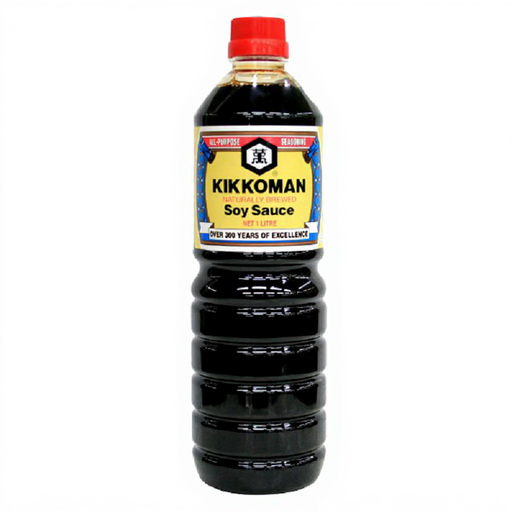
Why This Fits Their Persona: This is the perfect choice for anyone seeking a reliable and versatile soy sauce. This Japanese soy sauce is suitable for marinades, stir-fries, dressings, and as a dipping sauce. The 1-litre soy sauce bottle also offers excellent value for frequent use.
This sauce is naturally brewed with just four ingredients (water, soybeans, wheat, salt), helping you avoid the flat taste of chemically produced alternatives.
Consistent, rich umami flavour and very broad culinary application. No artificial additives.
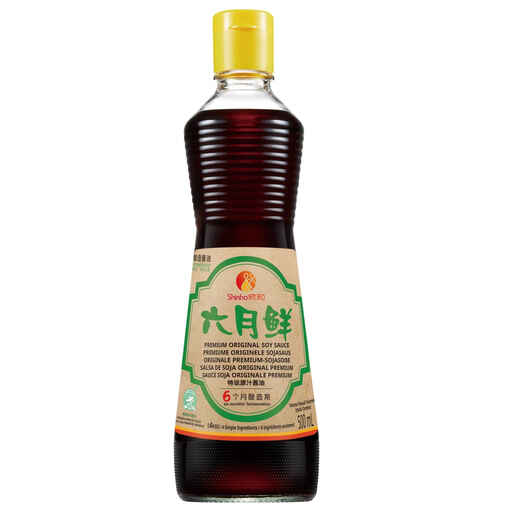
Why This Fits Their Persona: For the cook seeking a pure, complex flavour without unnecessary additives. This premium 'raw brew' soy sauce is fermented for six months and has a very clean ingredient list, ideal for those who appreciate nuanced flavours.
According to the brand, this product contains no added sugars, preservatives, or artificial sweeteners. It is a pure, naturally brewed product that completely sidesteps the pitfall of unnecessary additives.
According to Shinho, the salt content has been reduced by 26% while maintaining a full, savoury flavour. The ingredient list consists of just four components: water, defatted soybeans, wheat, and salt.
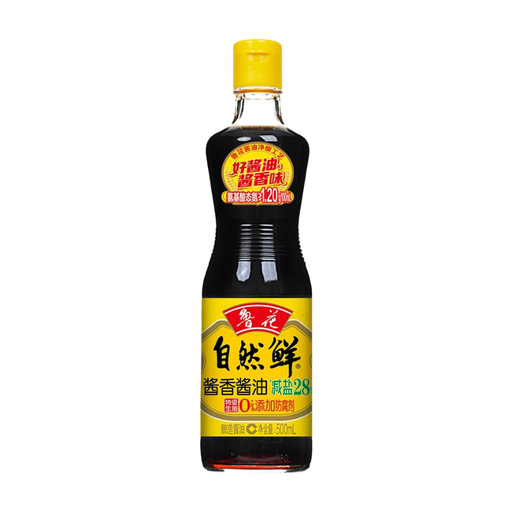
Why This Fits Their Persona: This premium Chinese soy sauce is ideal for those seeking an authentic flavour for stir-fries and stews. It offers a rich, savoury aroma with a sweet aftertaste, characteristic of high-quality Chinese sauces.
This is a premium brewed sauce (amino acid nitrogen ≥1.20g/100mL) with no added preservatives, unlike many generic 'Chinese-style' sauces that are often packed with additives.
Meets the premium standards for soy sauce. According to the Lu Hua brand, no preservatives are added during production.
We have compiled a complete, up-to-date list of products that fully meet these strict selection criteria and Dutch regulations.
The main difference lies in the ingredients and flavour. Japanese soy sauce (shoyu) is typically made with an equal ratio of soybeans and wheat, resulting in a slightly sweeter and less salty taste. It's a good all-rounder. Chinese soy sauce often uses more soybeans and less or no wheat, making it saltier and more earthy. It is divided into light soy sauce (for flavour) and dark soy sauce (for colour and a deeper taste).
An opened bottle of soy sauce can last for several months up to a year if sealed properly and stored in a cool, dark place. The flavour may diminish slightly over time. Storing it in the refrigerator helps to optimally preserve its flavour and freshness, but it is not strictly necessary.
For people consciously limiting their salt intake, low-sodium soy sauce can be a good option. It contains significantly less sodium. However, it's wise to check the label. Sometimes, the lower salt content is compensated for with other flavourings. The key, as with all seasonings, is to use it in moderation.
