
当日/次日达

品质保障

开启新人专享福利: 全场免邮 | 低至 2 折 | 免费试用 30 天 JoyPlus 会员
下载 Joybuy
Whether you're vegan, lactose intolerant, or simply looking for a plant-based alternative for your coffee, the selection of soy milk is vast. But not every sojadrink is created equal. Many cartons look healthy but conceal unnecessary sugars or deliver a watery disappointment.
As a Joybuy Product Recommendation Officer, I'm here to help you make the right choice. We'll look beyond the marketing and focus on what truly matters. Here are the most common pitfalls and how to avoid them when buying soy milk.
Pitfall 1: The "Healthy" Sugar Bomb A product may be marketed as a plant-based milk yet be loaded with sugar. A vanilla or chocolate flavour can easily contain 7 grams of sugar per 100 ml, which is comparable to a soft drink. This completely undermines its healthy image.
Pitfall 2: The Watery Texture There's nothing more frustrating than a sojadrink that ruins your coffee or makes your cereal soggy. A thin, watery texture is often the result of a low soybean percentage. This makes the drink unsuitable for frothing or for use in creamy dishes.
To ensure you make the right choice, there are a few key specifications you should always check on the label.
The most important choice is between a sweetened and an unsweetened soy milk. An unsweetened soy milk should ideally contain 0 grams of sugar. Check the nutrition facts for the "Carbohydrates, of which sugars" line. Anything over 1 gram per 100 ml is typically added sugar, unless naturally sugary ingredients like fruit juice have been included. For maximum versatility and control over your sugar intake, an unsweetened version is the smartest choice.
The creaminess and nutritional value of a sojadrink depend directly on the amount of soybeans used. A good benchmark is a soybean content of 7% or higher. This typically leads to a higher protein content (around 3 grams per 100 ml), resulting in a richer flavour and a better structure for frothing. Products with a lower percentage can feel watery.
Many soy drinks are fortified to compete with the nutritional value of cow's milk. The most relevant additives are:
lactose-free milk substitute contains around 120 mg of calcium per 100 ml.Check if these additives are present if the soy drink plays a significant role in your daily diet.
Based on these criteria, we have selected several popular choices that suit different users.
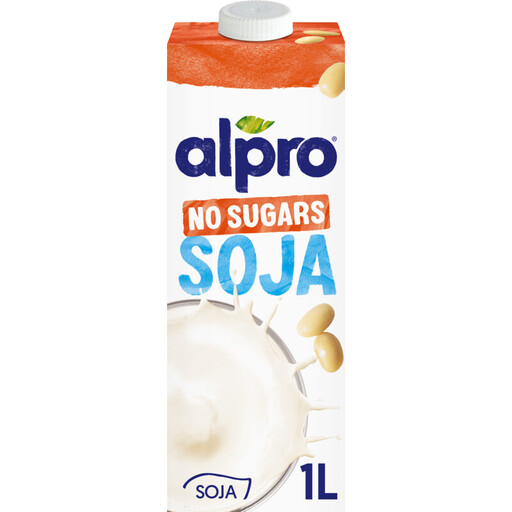
Why This Fits Their Persona: Ideal for those who want complete control over their sugar intake. This drink is a pure base for smoothies, cereals, or for drinking on its own, without any unnecessary additives.
It directly tackles the sugar pitfall with 0 grams of sugar. What you see is what you get: a pure soy base.
High soybean content (8.7%) for a creamy texture and 3.3g of protein. Fortified with calcium and vitamins B2, B12, and D2.
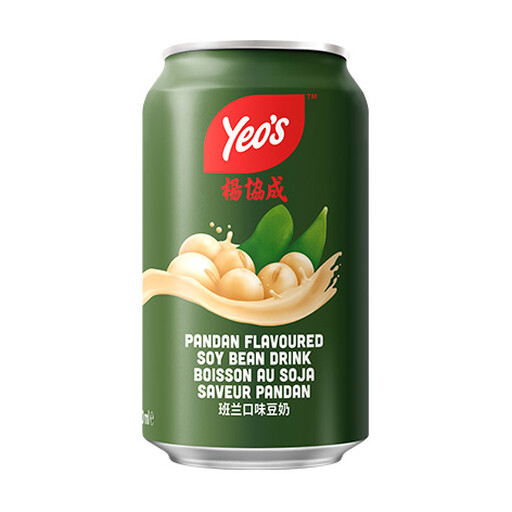
Why This Fits Their Persona: For those who want something different from the standard flavours. This drink combines the smooth taste of soy with the fragrant, slightly sweet aroma of pandan, a popular ingredient in Asian cuisine.
This isn't a product pretending to be a sugar-free health drink. It's a deliberate choice for a unique, refreshing taste experience.
Unique and aromatic pandan flavour. Conveniently sized to be enjoyed chilled as a refreshing drink.
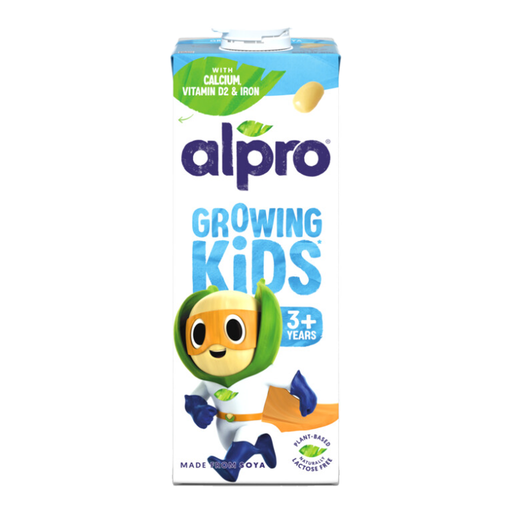
Why This Fits Their Persona: Parents seeking a plant-based alternative for their toddler need a product tailored to the nutritional needs of a growing child. This growing-up drink is a perfect example.
This is not a standard soy drink. According to the manufacturer, it is specially formulated for children from 1-3+ years, thus avoiding the pitfall of giving them an unsuitable beverage.
Low in sugar (2.5g) and, according to Alpro, fortified with calcium, iron, iodine, and vitamins (B2, B12, C, D2) that contribute to the normal growth of children.
Not every soy drink is suitable for every purpose. For those specifically looking for a sugar-free version, we've curated an up-to-date selection that meets our strict criteria.
Yes, but not all sojadrink products are the same. For a stable and creamy foam, it's best to choose a version with a higher protein and fat content (around 3g of protein and 2g of fat per 100 ml). Special "barista" editions are often optimised for this. Unsweetened versions can sometimes curdle due to the acidity of the coffee; try adding the coffee to the milk instead of the other way around.
In the European Union, the term "milk" is legally protected and can only be used for products of animal origin. That's why you'll officially see the name sojadrink or soy beverage on packaging. However, in common parlance, the term soy milk is still widely used. Functionally, there is no difference; they both refer to the same product.
Once opened, a long-life (UHT) soy milk must be stored in the refrigerator. Generally, the drink will remain good for about 5 days. It's always wise to check the instructions on the packaging for the manufacturer's specific advice. Use your senses: if the drink smells strange, looks different, or tastes sour, discard it.
