
Same-day & Next-day Delivery

Quality Guaranteed

Unlock Your Welcome Offers: FREE Delivery | Up to 80% OFF | Free 30-day JoyPlus trial
Download the APP
A bowl of warm soup can be a quick, nutritious, and comforting meal. But anyone looking to buy soups and broths, whether in the supermarket or online, is faced with an overwhelming selection. From ready-to-eat meal soups to exotic Asian soup bases, the choices are endless. Unfortunately, this often leads to disappointment, as many products fail to live up to the promises on their packaging.
As a Joybuy Product Recommendation Officer, I'm here to help you see through the marketing jargon. We'll discuss the most common pitfalls and provide practical tips so you can make a choice that suits your taste and lifestyle.
Before you fill your shopping cart, it's wise to be aware of a few common deceptions.
You don't need to be a label expert to make a good choice. Pay attention to the following two points, and you'll find that selecting the right soup or broth becomes much simpler.
The ingredients list is your most important tool. Ingredients are always listed in order of quantity. Is water or salt listed first? Then there's a high chance the product has little nutritional value. Look for products where vegetables, meat, or legumes are high on the list.
Consider what you plan to use the soup for. This will determine which type of product is most suitable.
To help you get started, we've selected a few products that cater to different needs and preferences.
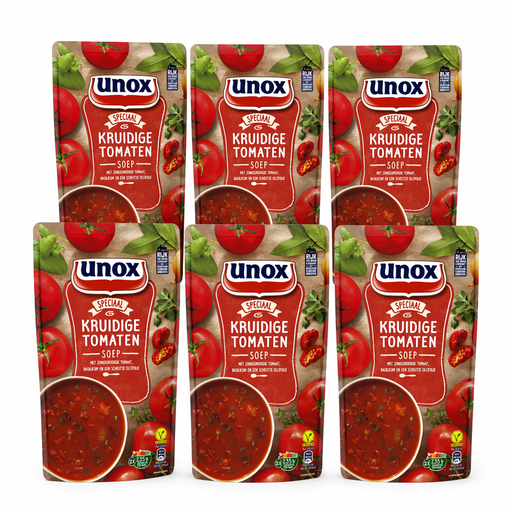
Why This Fits Their Persona: After a long day at work, you want something quick, flavourful, and hassle-free. This ready-to-eat soup is hot in minutes and offers a familiar yet spicy taste.
The ingredients list is clear, with 87% tomato. The term "spicy" is a concrete flavour description, not a vague marketing claim. The product has a Nutri-Score A.
Completely ready-to-eat and suitable for vegans. The stand-up pouch packaging is easy to open and store.
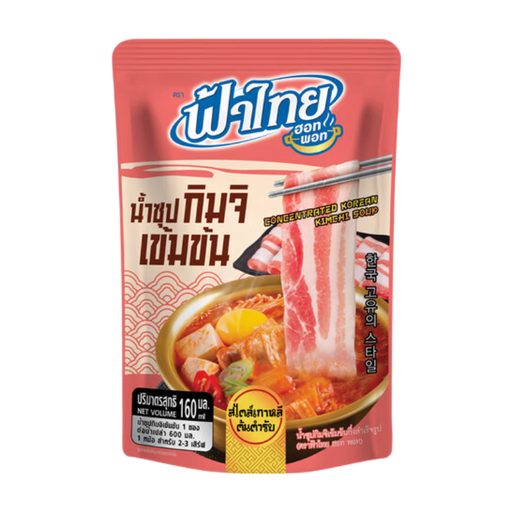
Why This Fits Their Persona: For those who love to experiment with authentic flavours, this concentrate is the perfect start. It provides a genuine Korean kimchi taste as a base for a hot pot or a hearty noodle soup, to which you can add your own fresh ingredients.
This product is honest about what it is: a soup base. It doesn't create false expectations of a ready-to-eat meal, but instead offers the control and flexibility an adventurous cook is looking for.
Authentic, complex flavour that is difficult to replicate from scratch. Highly versatile for use in soups, hot pots, and even as a marinade.
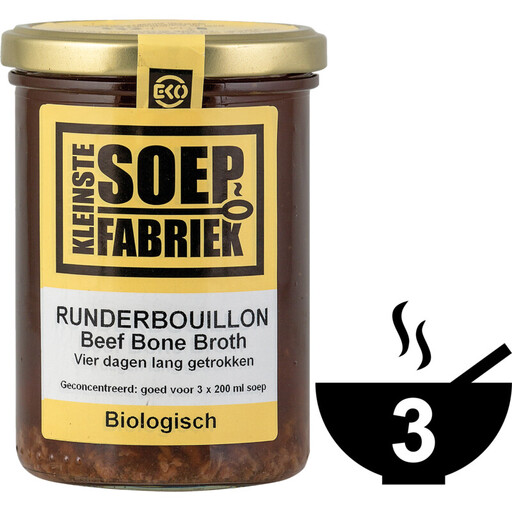
Why This Fits Their Persona: This organic broth is ideal for those who value pure ingredients and quality. It's the perfect base for homemade soups, sauces, and stews, without any unnecessary additives.
This product avoids the pitfall of hidden sugars and salt. The ingredients list is short and fully organic. The brand is transparent about its production process (simmered for 96 hours), which substantiates the "artisanal" claim.
100% organic and produced in the Netherlands. It contains no sugar and has a low salt content, allowing the pure, deep flavour of the broth to shine through.
Most soups in cans, jars, or pouches can be kept in the refrigerator for about 2 to 3 days after opening, provided they are sealed properly. A broth in a carton with a screw cap can sometimes last a bit longer. It is always wise to consult the instructions on the specific packaging.
A broth is typically a clear liquid made from simmering meat, fish, or vegetables. It serves as a relatively neutral base that you season yourself. A soup base is often an already concentrated and seasoned mixture for a specific dish, such as an Asian soup or miso soup. It is designed to quickly create a dish with a characteristic flavour.
Yes, absolutely. More and more brands are offering vegan soup. Look for an official vegan certification on the packaging or carefully check the ingredients list for animal products like milk powder, cream, chicken extract, or meat. Many vegetable soups, lentil soups, and certain tomato soups are already vegan by nature.
