
Vandaag of morgen in huis

Kwaliteit gegarandeerd
Download de app
Categorieën

Choosing a new dog bed can be more challenging than you might think. You're investing in your pet's comfort, but the reality can be disappointing: the bed is ignored, loses its shape after one wash, or the material attracts more hair than a magnet. A purchase you regret is frustrating for you and uncomfortable for your dog.
This guide is designed to help you make an informed choice. We focus on the specifications that truly matter: material, shape, maintenance, and safety. This way, you'll find a plush dog bed that is not only comfortable but also practical for everyday use.
Before we review some specific models, it's helpful to outline the most important features. A good dog bed meets the specific needs of your pet.
The material largely determines the level of comfort. A plush dog bed is popular for its softness. Pay attention to the filling: PP cotton offers good resilience, while egg crate foam or memory foam is known for its orthopedic properties, which can relieve pressure on the joints.
Your dog's sleeping position is a good indicator of the right shape.
A washable dog bed is essential for hygiene. Check if the entire bed is machine-washable, or if only the cover is removable and washable. A bed with a removable inner cushion is often the most practical.
Measure your dog from the tip of its nose to the base of its tail while it's in its favorite sleeping position. Add 6-10 inches (15-25 cm) to this measurement for an appropriate size. An anti-slip dog bed with a rubberized bottom prevents the bed from sliding on smooth floors, providing extra safety for both playful puppies and senior dogs.
Based on the criteria above, we have selected a few products that stand out for their specific features.
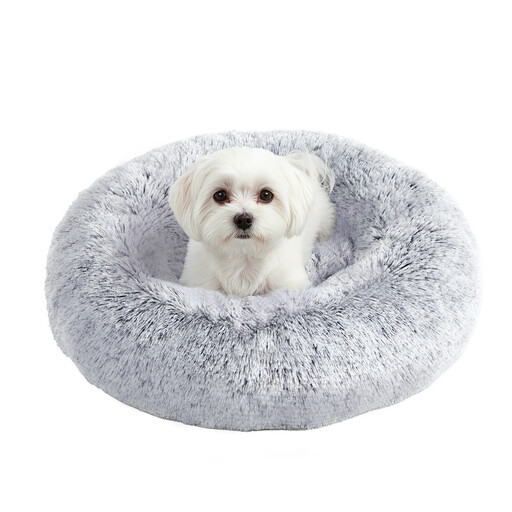
Why we chose this product This model combines the popular donut dog bed shape with practical maintenance options. The focus is on a secure sleeping spot that is easy to keep clean.
Benefits
Who is this for? This bed, with a diameter of 70 cm (approx. 27.5 inches), is designed for medium-sized dogs that prefer an enclosed sleeping space. It's a practical choice for owners looking for a comfortable dog bed that is easy to clean.
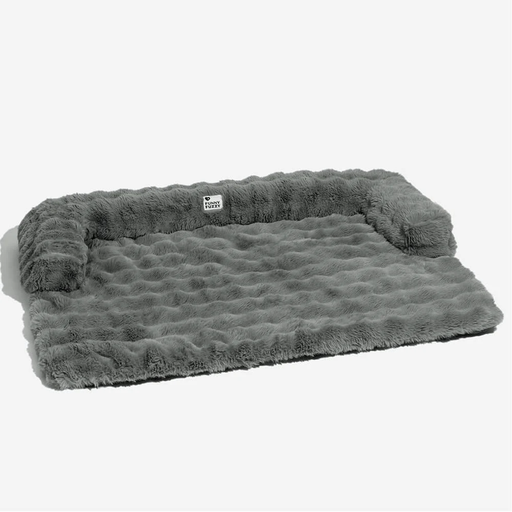
Why we chose this product This sofa-style dog bed focuses on ergonomic comfort. The combination of a soft top layer with a supportive foam base makes it an excellent option for pets that could use extra support.
Benefits
Who is this for? Suitable for both dogs and cats of all ages, but especially for pets that would benefit from an orthopedic dog bed. The sofa shape is ideal for animals that like to stretch out or sleep with their head elevated.
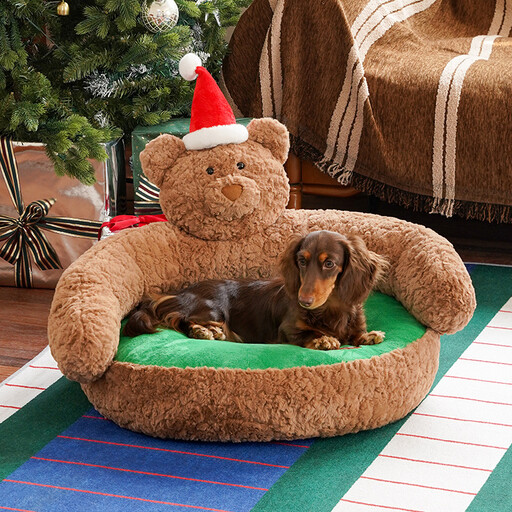
Why we chose this product This model stands out with its unique and playful design. It's a plush dog bed that combines functionality with a decorative element, especially for the holiday season.
Benefits
Who is this for? For owners of cats and small to medium-sized dogs who are looking for a distinctive and cozy dog bed with a seasonal theme. Please note: the manufacturer recommends spot cleaning this product with a damp cloth only, which makes it less suitable for pets that get dirty easily.
The selection above provides an overview of the different types of plush dog beds available. However, every dog has unique preferences regarding shape, material, and sleeping posture.
If these specific models aren't exactly what you're looking for, or if you'd like to compare more options, a wide range of designs is available. For a more extensive overview of sofa-style beds, you can browse our Pet Sofa Bed category.
1. How do I know what size dog bed I need? The most reliable method is to measure your dog while it's sleeping in its natural position. Measure the length from its nose to the base of its tail and add 6 to 10 inches (15 to 25 centimeters). This gives your dog enough room to move and stretch out comfortably.
2. What is the difference between a regular and an orthopedic dog bed? A standard dog bed is typically filled with materials like polyester fiber or PP cotton for softness. An orthopedic dog bed uses a firmer filling, such as memory foam or egg crate foam. This material conforms to the dog's body, providing targeted support to joints and bones, which can be especially beneficial for senior dogs or those with joint problems.
3. How often should I wash a dog bed? For proper hygiene, it is recommended to wash the cover or the entire bed every one to two weeks, depending on how dirty your dog gets and whether they suffer from allergies. Regular washing helps remove hair, dirt, bacteria, and allergens. Always follow the manufacturer's washing instructions.
Written by: Joybuy Product Recommendation Officer