
Vandaag of morgen in huis

Kwaliteit gegarandeerd

Welkomstaanbiedingen ontgrendelen: GRATIS bezorging | Tot 80% korting | Gratis 30 dagen JoyPlus-proefperiode
Download de app
Buying socks seems simple—until your drawer is full of pairs that pinch, slide down, or develop holes after just a few washes. A good sock is the foundation of comfort, whether you're running a marathon or spending a day at the office. Yet, many people fall into the same traps, leading to discomfort and wasted money. Let's look at the most common problems and how you can avoid them.
Pitfall 1: The quickly worn-out heel and toe. Budget-friendly socks seem like a smart buy, until the first holes appear. This is often due to the use of low-quality materials and the lack of reinforcement in high-wear areas. A sock that isn't designed for durability is a bad buy waiting to happen.
Pitfall 2: The unfulfilled promise of "100% comfort." Marketing terms can be misleading. A "100% cotton" sock sounds natural and breathable, but without the addition of materials like elastane, it quickly loses its shape and sags. Conversely, a fully synthetic sock can lead to sweaty feet if its moisture-wicking properties aren't up to par.
To avoid making the wrong choice, it's helpful to look at a few specific details. These specifications determine the lifespan, comfort, and functionality of your socks.
The material determines how a sock feels and performs. A blend of materials is often more functional than a single type.
A good construction prevents irritation and extends the sock's lifespan.
Not everyone needs the same type of sock. Below are a few examples, tailored to specific needs.
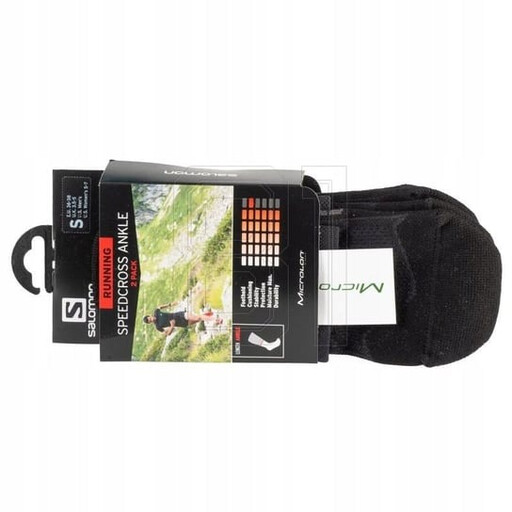
Why This Fits Their Persona: These socks are designed for runners and offer a combination of lightweight comfort, moisture management, and cushioning. Ideal for those seeking performance and comfort during sports.
The blend of polyester, nylon, and elastane ensures excellent moisture-wicking, which helps prevent blisters from sweaty feet (a risk with cotton socks). The construction is focused on performance, not just appearance.
Moisture-wicking and quick-drying properties. Cushioned sole for extra comfort during runs.
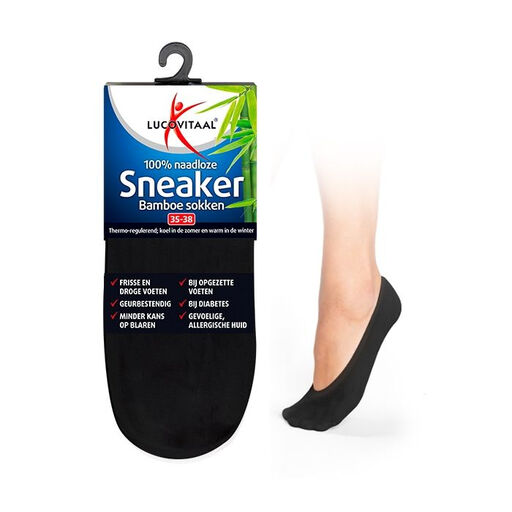
Why This Fits Their Persona: For those seeking ultra-soft comfort for daily wear. These socks are a great choice for people with sensitive skin who desire a soft and breathable material.
According to the manufacturer, PK Benelux BV, the material is hypoallergenic and antimicrobial. This helps reduce irritation and unwanted odours, a common problem with socks that don't breathe well.
The manufacturer claims the material is thermo-regulating (cool in summer, warm in winter) and feels very soft. Suitable for sensitive skin.
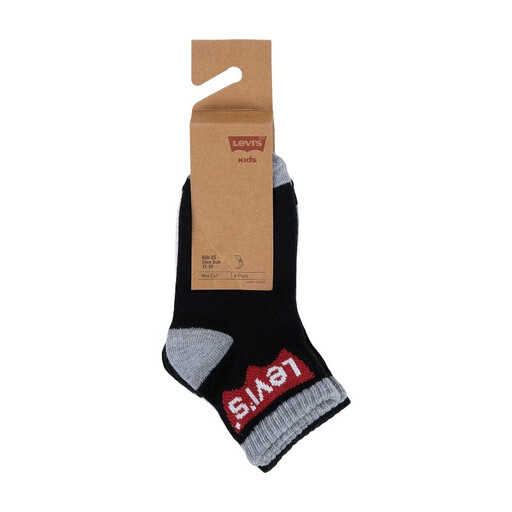
Why This Fits Their Persona: A multipack from a well-known brand, designed for active kids. These children's socks combine durability, comfort, and a practical quantity, ideal for school, sports, and play.
The reinforced heel and toe prevent rapid wear and tear, a typical problem with cheap children's socks. The blend of cotton, polyester, and elastane offers a good balance between comfort and the durability needed for kids' play.
Convenient six-pair pack. The mid-cut design provides good coverage and support for daily use.
We have compiled a complete, up-to-date list of products that meet these selection criteria and current regulations.
1. How do I prevent my socks from shrinking or losing their shape? Always check the care label. Wash socks, especially those with elastane, at a lower temperature (30°C is often sufficient). Avoid the hot setting on your tumble dryer, as high heat can damage the elastic fibres, causing the sock to lose its stretch and fit. Air drying is often a better option.
2. What is the difference between running socks and regular sports socks?Running socks are specifically designed for the repetitive impact of running. They often feature extra cushioning on the heel and ball of the foot, a seamless toe to prevent blisters, and advanced moisture-wicking materials. Regular sports socks, like those from Adidas or K-Swiss, are more all-round and provide good comfort for various sports, but may have fewer specific technical features than a pure running sock.
3. Are bamboo socks really a good choice for sweaty feet? Manufacturers of bamboo socks claim that the fibres are naturally highly absorbent and breathable, which can help keep feet drier and fresher. According to Lucovitaal, their Bambolux material absorbs and evaporates sweat four times faster than cotton. While cotton retains moisture, a material that effectively wicks moisture away from the skin, such as bamboo or synthetic fibres, can make a noticeable difference in comfort.
