
Vandaag of morgen in huis

Kwaliteit gegarandeerd

Welkomstaanbiedingen ontgrendelen: GRATIS bezorging | Tot 80% korting | Gratis 30 dagen JoyPlus-proefperiode
Download de app
Soap may seem like a simple product, but the shelves are filled with choices that create more confusion than clarity. From liquid soap in plastic bottles to artisanal bar soaps, you're bombarded with marketing promises. Many consumers pay too much for products that irritate their skin or fail to deliver on their claims. Before you make a choice, it's helpful to understand the most common pitfalls.
A common misconception is the term "natural." A natural soap sounds appealing, but the label is not legally protected. This means a product can still contain irritating fragrances or harsh cleansers. Another pitfall is the claim of "hydration." A hydrating soap may indeed contain nourishing oils, but if the base formula strips the skin of its natural lipids, the effect is minimal. You end up with a tight feeling, despite the attractive promises on the packaging.
To find a product that truly works for your situation, it's wise to look beyond the front of the package. Pay attention to a few key specifications that determine how a soap feels and performs.
The foundation of any soap is its cleanser, also known as a surfactant. There are two main types:
The choice between a bar soap and liquid soap depends on your preferences and usage context.
Ingredients that provide scent and preservation are often the culprits behind skin irritation.
Based on objective product features, we have selected a number of soaps that suit specific user profiles.
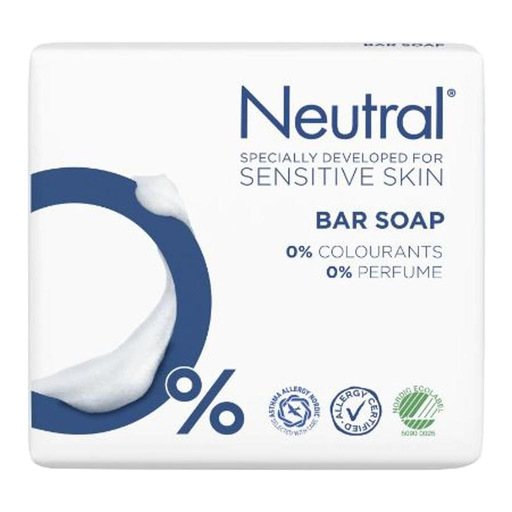
Why This Fits Their Persona: This user has skin that reacts quickly to fragrances and unnecessary additives. A reliable, gentle cleanser for daily use is essential.
This product bypasses the "natural" marketing trap by focusing on what it doesn't contain: 0% fragrance and 0% dyes. The formula is pure and functional.
Specifically formulated to minimise the risk of skin irritation. Contains glycerin to keep the skin hydrated during washing.
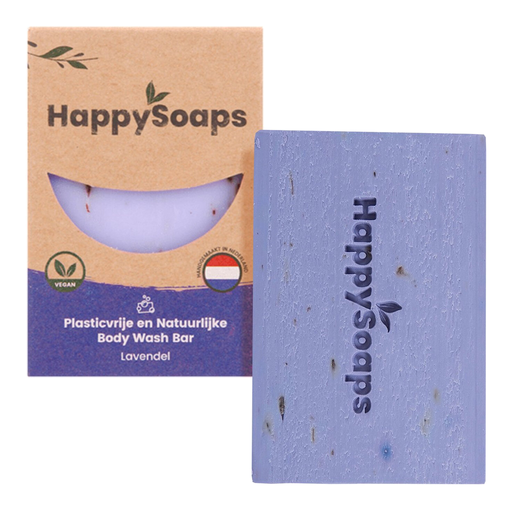
Why This Fits Their Persona: This buyer wants to reduce their plastic consumption without compromising on quality. A product that is good for both their skin and the planet is a top priority.
This isn't 'greenwashing'. The Body Bar is 100% plastic-free, vegan, and cruelty-free. It directly tackles the waste problem of liquid soaps.
One bar replaces multiple bottles of shower gel, saving both waste and money. Its concentrated formula is efficient to use.
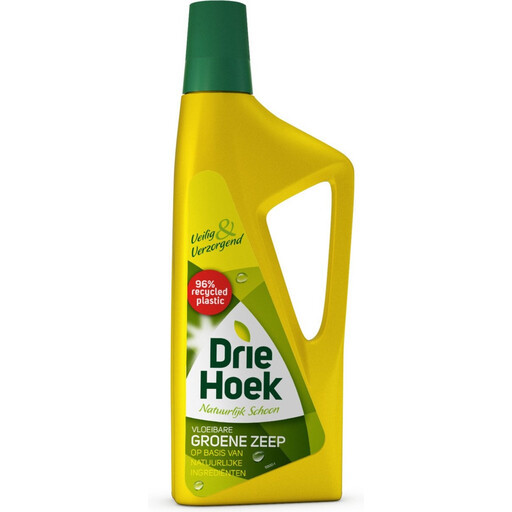
Why This Fits Their Persona: This user is looking for a powerful, versatile, and affordable cleaner for all sorts of jobs in and around the house, from mopping floors to removing stains.
This product doesn't pretend to be a luxury skincare item. It's a no-nonsense household soap with a clear function: cleaning. The claims are practical and not exaggerated.
Extremely versatile for floors, textiles, and sanitary ware. The formula is based on natural ingredients, and the bottle is made from 96% recycled plastic.

Why This Fits Their Persona: This user is looking for an affordable, daily soap that doesn't dry out the skin. A soft, nourished feeling after showering or washing hands is the priority.
Dove avoids the trap of empty hydration claims by using a syndet formula. The mild cleanser (Sodium Lauroyl Isethionate) works with the ? moisturising cream, not against it.
Leaves the skin feeling soft and supple, unlike traditional soaps that can leave a tight feeling. Suitable for daily use on the face, hands, and body.
We've compiled a complete, up-to-date list of products that meet these strict selection criteria and local regulations.
The biggest difference is often in the formula. A traditional bar soap is usually a true soap (saponified oils), whereas a liquid body wash is almost always a syndet (synthetic cleanser). Nowadays, there are also syndet-based bar soaps, like those from Dove. The choice depends on what your skin prefers and your preference for packaging.
The key is to let the bar soap dry completely between uses. Use a soap dish with drainage holes or a rack, so the soap isn't sitting in a puddle of water. This prevents it from becoming soft and mushy and ensures it lasts much longer.
Not necessarily. The price is often determined by marketing, brand name, and luxury fragrances, not always by the quality of the base formula. A simple, fragrance-free soap for sensitive skin that costs a few dollars can be much better for your skin than an expensive designer soap full of potential irritants. It's more important to look at the ingredients list than the price tag.
