
Vandaag of morgen in huis

Kwaliteit gegarandeerd

Welkomstaanbiedingen ontgrendelen: GRATIS bezorging | Tot 80% korting | Gratis 30 dagen JoyPlus-proefperiode
Download de app
As a Joybuy Product Recommendation Officer, I see countless snacks every day. The variety of snack rolls is vast, ranging from savoury appetisers to surprising Asian snacks. But how do you choose the right one? The wrong choice often leads to disappointment: a limp texture, a bland flavour, or packaging that contains more air than product. This guide will help you navigate these pitfalls and make a choice that suits your taste and the occasion.
Before you fill your shopping cart, it's wise to be aware of a few common marketing ploys and production flaws.
To avoid a bad purchase, you can focus on a few objective characteristics. These specifications provide a much clearer picture of what to expect.
The ingredients list is your most important tool. Look not only at allergens but also at the order of the ingredients. If sugar or salt is listed first, you know it's a primary component. This helps you distinguish between genuinely savoury snacks and sweet rolls. For Asian snacks, such as seaweed snacks, it's worth checking the spices used and whether flavour enhancers (like E621/MSG) are mentioned. This determines the authenticity and complexity of the umami flavour.
The texture of a snack roll depends heavily on its preparation.
Choose the preparation method that matches your texture preference and the occasion, whether you're looking for a light on-the-go snack or a hearty appetiser.
To get you started, we've highlighted some popular choices and matched them with different snacking preferences.
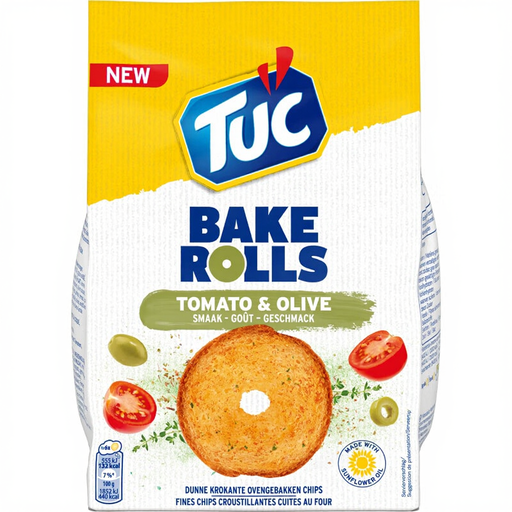
Why This Fits Their Persona: Perfect for those seeking a reliable and flavourful appetiser. The combination of tomato and olive is familiar and pairs well with drinks, a cheese board, or for dipping.
These rolls are double-baked in the oven, ensuring they deliver on the promise of a crispy texture without feeling greasy.
Versatile in use (on their own, with a dip, or in a salad) and a distinct, savoury flavour that doesn't taste artificial.
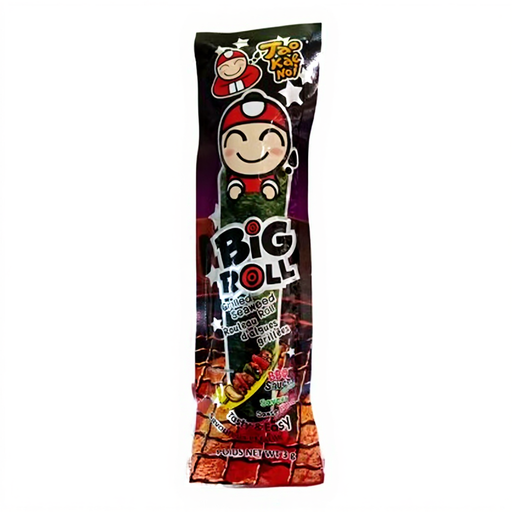
Why This Fits Their Persona: Ideal for the adventurous eater who wants something different from standard crisps or pretzels. This Asian snack combines the unique umami flavour of seaweed with a smoky BBQ spice blend.
The flavour is distinct and authentic, not a vague 'Asian' taste. The rolled shape of the seaweed provides a unique, brittle, and light crunch.
A light and airy on-the-go snack. The combination of salty, sweet, and smoky makes it a complex and interesting snack.

Why This Fits Their Persona: For those with a sweet tooth who want a change from a standard biscuit. This is a playful take on the classic Oreo, featuring a crispy texture and a sweet-and-tart strawberry cream.
The flavour is a balanced mix of the familiar cocoa taste and fruity cream, without being chemical or overly sweet. The texture is genuinely crispy, not chewy.
A surprising texture that differs from the original biscuit. The combination of the crispy cocoa roll and the creamy filling creates a multi-layered taste experience.
We have compiled a complete, up-to-date list of products that meet these selection criteria and comply with current regulations.
Most crispy snack rolls are best stored in an airtight container or by sealing the original packaging tightly with a clip. Store them in a cool, dry place, away from direct sunlight. This helps maintain their crispy texture and prevents them from going soft. For soft or filled rolls, it is advisable to follow the instructions on the packaging; sometimes, refrigeration is required after opening.
Not necessarily. The range of Asian snacks is very diverse. While some varieties can indeed be spicy (often indicated with the word 'spicy' or an image of peppers), there are countless mild options. For example, seaweed snacks often have a salty umami flavour, and sweet rolls with hawthorn or red date are fruity and sweet-tart. Read the product description to get an idea of the flavour profile.
Certainly. Although most snack rolls are intended as a snack, some varieties can be a fun addition to a meal. Crispy crackers like Tuc Bake Rolls can be crumbled over a salad for extra crunch. Unseasoned seaweed sheets (nori) are the basis for sushi. And soft tofu rolls, such as chikuwa or beancurd rolls, are specifically made for use in soups and hotpots, where they absorb the flavours of the broth.
