
Vandaag of morgen in huis

Kwaliteit gegarandeerd

Welkomstaanbiedingen ontgrendelen: GRATIS bezorging | Tot 80% korting | Gratis 30 dagen JoyPlus-proefperiode
Download de app
A smoothie maker seems like a simple purchase. You want to quickly and easily make a healthy smoothie for on the go, after a workout, or for breakfast. Yet, there are pitfalls that cause many appliances to end up unused in a cupboard after just a few months. Marketing jargon about dizzying wattages and endless functions doesn't make the choice any easier. As a Joybuy Product Recommendation Officer, I'll help you separate fact from fiction, so you can choose a model you'll actually want to use every day.
Before we look at what makes a blender great, it's important to know where things often go wrong. Many consumers fall into the same traps and end up with a device that doesn't meet their expectations.
To avoid a bad purchase, focus on the specifications that truly matter for daily use. These are the three most important points of focus.
The power, expressed in watts, determines how powerful the motor is. But don't get fixated on it.
The quality of the blades is just as important. Stainless steel blades with a good design ensure efficient circulation of ingredients, resulting in a smoother texture without lumps.
A personal blender is designed for convenience. The cup you blend in is often the same cup you drink from.
Most smoothie makers are compact, but the details make the difference. A slim design fits easily on a crowded countertop or in a kitchen cabinet. Models with a simple "twist-and-lock" operation are often the most intuitive to use: you place the cup, twist it to lock, and the blending starts.
Not everyone has the same needs. That's why we've matched some popular choices to specific user profiles.
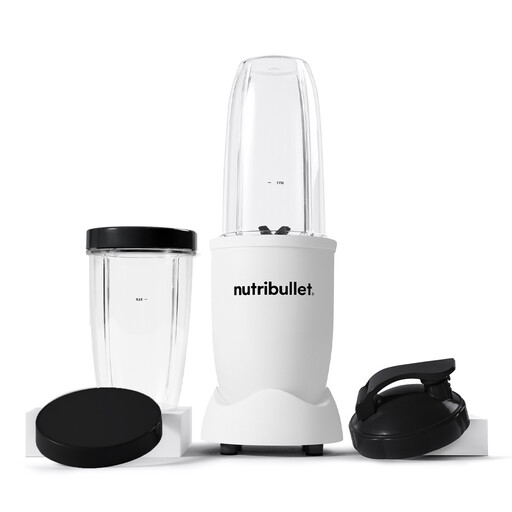
Why This Fits Their Persona: This model strikes the perfect balance between power and convenience. Ideal for those with little time in the morning who still want to make a nutritious smoothie with frozen fruit or nuts and immediately take it to go.
The 900W motor is powerful enough for tough ingredients, so you're not limited to just soft fruit. The dishwasher-safe parts prevent the cleaning nightmare.
Includes two large 900ml cups and convenient To-Go lids. Operation is simple: twist and blend, with no buttons or complicated settings.
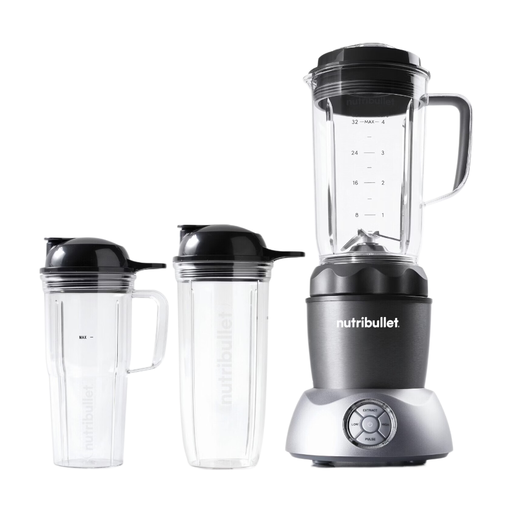
Why This Fits Their Persona: For those who want more than just a smoothie. This model offers the flexibility to also prepare hot soups, sauces, and dips, thanks to its special pitcher and variable speeds.
This is a true "all-in-one" that delivers on its promise. The 1000W motor and the vented pitcher for hot liquids make it genuinely suitable for various kitchen tasks, moving beyond the limitations of a simple personal blender.
Offers control with three speeds and a pulse function. The set includes both a large pitcher and travel cups, making it suitable for family-sized portions as well as individual use.
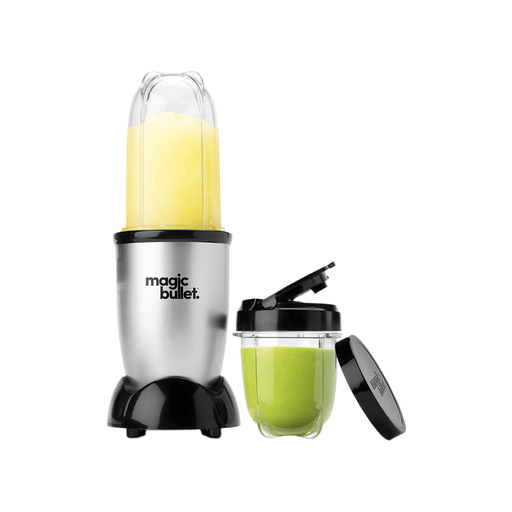
Why This Fits Their Persona: A functional and affordable starting point. Perfect for those who want to start making smoothies and tackle small kitchen jobs like salsas or dips without a major investment.
This model is honest about its capabilities. At 200W, it's not a powerhouse, but it's designed for specific tasks (blending and pulsing) and does them well. It doesn't create false expectations.
Extremely compact and comes with an 11-piece set, including various cups and lids. The pulse function provides control over the texture, which is useful for more than just smoothies.
We have compiled a complete, up-to-date list of products that fully meet these strict selection criteria and safety regulations.
This depends on the brand and how intensively you use the appliance. For a Nutribullet blender, the manufacturer advises replacing the blades every 6 months with daily use. This ensures the blender continues to perform optimally, especially when processing hard ingredients. You'll notice wear and tear from a less smooth result or leakage at the blade base.
No, this is a critical safety point. Most personal blenders, especially those with a sealed cup, are intended for cold ingredients only. Blending hot liquids can build up pressure inside the cup, which can lead to it cracking or the lid coming loose. Models specifically designed for soups, like the Nutribullet Select or RX, have a vented pitcher to safely release this pressure. Always check your appliance's manual.
Not necessarily. A higher wattage means more potential power, but it's no guarantee of a better result. A blender's efficiency depends on the combination of motor power, blade design, and cup shape. A well-designed 600W blender can make a better smoothie than a poorly designed 1000W model. Focus on the balance between these elements and match the power to the ingredients you'll be using most often.
