
Vandaag of morgen in huis

Kwaliteit gegarandeerd
Download de app
Categorieën

The search for a new smartphone can be overwhelming. You're bombarded with specifications, and the wrong choice can lead to daily frustration: a phone that's too slow, a camera that disappoints, or a battery that won't last the day. This guide is designed to bring clarity. We focus on the facts and parameters that truly matter, enabling you to make an informed decision.
Before we dive into specific models, it's helpful to outline the key features. These criteria will help you determine what matters most to you personally.
For many, a smartphone with a good camera is a top priority. Don't just focus on the megapixel (MP) count; also consider sensor size, aperture (f-stop), and the inclusion of multiple lenses, like an ultra-wide or telephoto lens for zoom. Optical Image Stabilisation (OIS) is crucial for sharp photos and stable videos, especially in low-light conditions.
A phone with long battery life saves you a great deal of hassle. Capacity is measured in milliampere-hours (mAh); a higher number generally means longer runtime. Also, consider the charging speed, measured in Watts (W). Features like fast charging and wireless charging significantly enhance user convenience.
The processor (chipset) and RAM (RAM) determine how smoothly your phone operates. A mid-range processor is sufficient for everyday use, but for demanding apps and games, a high-end smartphone with a powerful chipset is advisable. In 2026, 8 GB of RAM is a solid baseline, while 12 GB or more will ensure effortless multitasking.
You spend your day looking at your display. An OLED or AMOLED screen provides deeper blacks and more vivid colours than an LCD. The refresh rate, measured in Hertz (Hz), determines how fluid scrolling and animations appear. A rate of 90 Hz or 120 Hz is noticeably smoother than the standard 60 Hz.
A robust smartphone is built to withstand daily wear and tear. An IP rating (e.g., IP68) indicates its level of water and dust resistance. Materials such as Gorilla Glass for the display and a metal or titanium frame enhance its overall durability.
In 2026, a 5G phone is the standard. This ensures faster mobile internet, provided your carrier plan and local coverage support it. Also, look for support for the latest Wi-Fi and Bluetooth standards to guarantee a stable and fast wireless connection.
The choice between Android and iOS (iPhone) is a personal one. Android offers greater freedom for personalisation and a wider selection of devices at various price points. iOS is renowned for its ease of use, robust ecosystem, and long-term software support.
Based on the criteria above, we have curated a selection of compelling models for various user profiles.
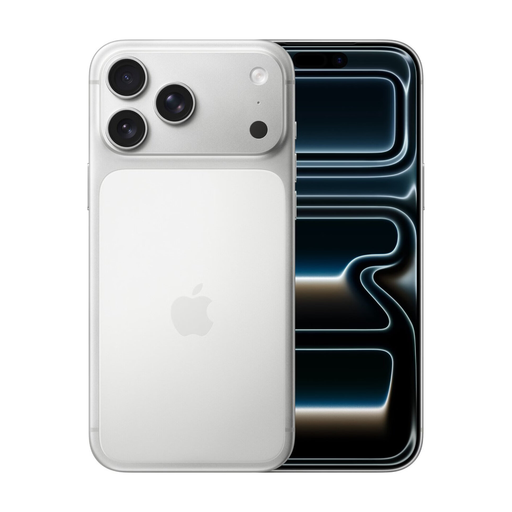
Why this product The iPhone 17 Pro Max is a premium device aimed at users who demand the highest standards in performance, camera quality, and battery life. According to Apple, this model offers the longest battery life ever in an iPhone, with up to 3 hours of additional usage compared to the iPhone 15 Pro Max. Its redesigned thermal system is engineered for better performance under heavy loads.
Pros
Who is this for? This model is ideal for professionals, content creators, and users within the Apple ecosystem who are looking for a flagship device with a focus on photography, videography, and long battery life.
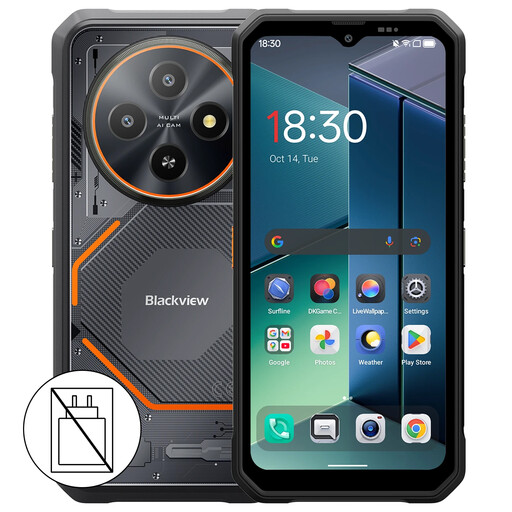
Why this product The Blackview Fort 2 is a specialised, rugged smartphone. This device isn't designed with the latest tech gimmicks in mind, but for maximum durability in demanding environments. Its IP68 certification and sturdy casing make it resistant to water, dust, and drops.
Pros
Who is this for? This phone is ideal for workers in construction, industry, and logistics, or for outdoor adventurers who need a reliable and extremely durable device that can withstand rough conditions.
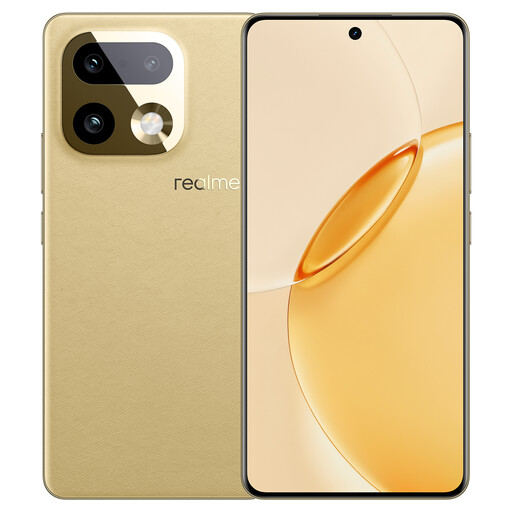
Why this product The Realme 16 Pro+ 5G positions itself as a powerful all-rounder with a strong focus on its camera and battery. The device features an impressive 200 MP main camera and an exceptionally large battery, making it a compelling option for users who prioritise photography and endurance.
Pros
Who is this for? This device is a strong contender for tech enthusiasts and mobile photographers looking for high-end specifications, particularly in camera and battery performance, in an Android device.
This selection highlights a few models that excel in specific categories. However, the market is vast, and your ideal match will depend on your unique needs and budget. If you prefer different specifications or another brand, we recommend exploring a wider range.
For example, check out all the models in the popular 16 Pro mobile phone series for more options.
1. What's more important for a good photo: lots of megapixels or a large camera sensor? A larger camera sensor is generally more important than a high megapixel count. A larger sensor can capture more light, resulting in better photos with less noise, especially in low-light situations. Megapixels are primarily important if you plan to print photos in very large formats or zoom in extensively.
2. How much RAM do I need in a smartphone in 2026? For average use (social media, browsing, light apps), 8 GB of RAM is a solid baseline. If you're a power user who frequently switches between heavy apps, plays games, or edits videos, 12 GB of RAM or more will provide a noticeably smoother experience and better future-proof your device.
3. Is a 5G phone a requirement in 2026? Yes, for a new device in 2026, 5G support is highly recommended. The 5G network is continuously expanding and offers significantly higher speeds and lower latency than 4G. While 4G will still be functional, a 5G phone is an investment in the future and ensures the best possible mobile internet experience.