Vandaag of morgen in huis

Kwaliteit gegarandeerd

Welkomstaanbiedingen ontgrendelen: GRATIS bezorging | Tot 80% korting | Gratis 30 dagen JoyPlus-proefperiode
Download de app
Today's smart scales are much more than just devices that show your weight. With features that measure everything from body fat percentage to muscle mass, they can be powerful tools for tracking your health goals. But with a plethora of options available, it can be challenging to determine which features you truly need and which model is the right fit for you.
As a Joybuy Product Recommendation Officer, I'm here to help you see past the marketing jargon. In this article, I'll provide practical information and an overview of popular choices to help you make an informed decision.
Before you make a choice, it's important to know which specifications truly matter. Here are a few key points to consider.
A standard digital scale only measures weight. A smart scale goes much further. Most models use Bioelectrical Impedance Analysis (BIA) to estimate your body composition. This includes metrics like:
A body composition scale with these features provides a more complete picture of your progress than just a number in kilograms. Pay attention to the precision of the sensors; a good scale provides consistent measurements.
The "smart" aspect lies in the connectivity. A scale with an app automatically syncs your data to your smartphone via Bluetooth. When choosing a model, the companion app is just as important as the scale itself. Check if the app has a clear interface, displays your progress in graphs, and allows you to easily set goals. Some apps can also sync with other health platforms.
A bathroom scale is a permanent fixture in the bathroom or bedroom, so its design matters. Most models feature a tempered glass platform, which is both durable and easy to clean. Also, consider the display: is it bright and easy to read? If you plan to share the scale with multiple people, check if the model supports multiple user profiles.
Based on specifications and features, we've compiled a list of popular choices for you.
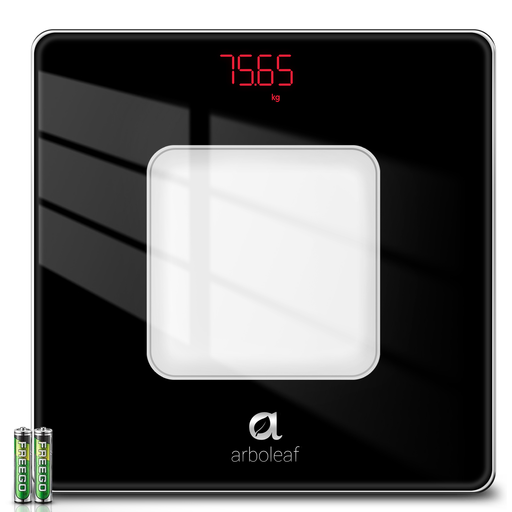
Why this model stands out The Arboleaf CS20H focuses on the core function of a scale: measuring weight accurately. This model is equipped with high-precision sensors that ensure stable and reliable measurements. It's a no-frills scale that's ready to use right out of the box.
Pros
Who is it for? For users looking for a reliable and straightforward digital scale. If you primarily want to track your weight without the complexity of a comprehensive body analysis, this is a solid choice.
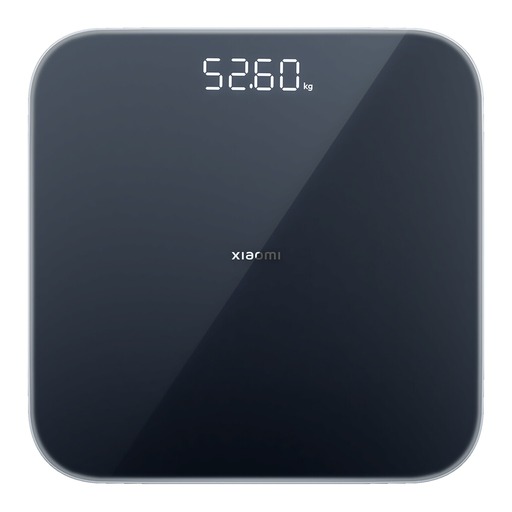
Why this model stands out The Xiaomi scale S200 is known for its high accuracy, featuring an E-shaped manganese steel sensor that can detect weight changes as small as 0.05 kg. In addition to weight and BMI, the app offers a unique balance test. Seamless integration with the Xiaomi Home app makes it a smart and user-friendly device.
Pros
Who is it for? For the tech enthusiast looking for a precise scale with an app. If you're already familiar with the Xiaomi ecosystem or value detailed progress reports and extra features like the balance test, this model is a great fit for you.
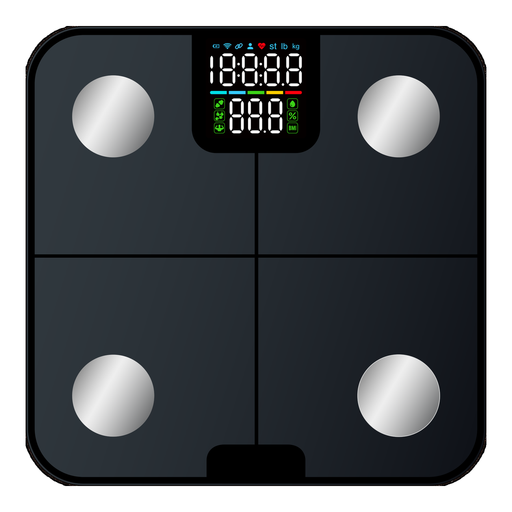
Why this model stands out This body composition scale is designed for those who want deep insights. Using four-electrode technology, it measures as many as 25 different body metrics, including heart rate, visceral fat, and protein percentage. The data is clearly presented on a vibrant LED color display.
Pros
Who is it for? For the serious fitness enthusiast or anyone who wants a complete overview of their body composition. If you want to use data to optimise your training and nutrition, this scale provides the detailed insights you're looking for.
A smart scale is a step towards a more mindful lifestyle. Are you also interested in other smart technology that contributes to a modern and sustainable way of life? Then discover our selection of Electric Cars and take the next step.
A smart scale uses BIA technology, which sends a harmless, weak electrical current through your body to measure resistance. Based on this, it estimates your body composition. The accuracy can be influenced by factors like hydration, the time of day, and whether you've recently eaten or exercised. It's a useful tool for consistently tracking trends, but the measurements are intended as a reference and not for medical diagnosis.
Yes, for the most accurate measurements, always place the scale on a hard, flat surface. Avoid carpets, mats, or other soft surfaces, as they can interfere with the sensors and lead to incorrect readings.
Most smart scales support multiple user profiles. The scale often automatically recognises who is standing on it based on their weight and saves the data to the correct profile in the app. This allows each family member to track their own progress privately.