
Vandaag of morgen in huis

Kwaliteit gegarandeerd

Welkomstaanbiedingen ontgrendelen: GRATIS bezorging | Tot 80% korting | Gratis 30 dagen JoyPlus-proefperiode
Download de app
The right kitchen tools make chopping, weighing, grating and serving easier. Yet many purchases end up in a kitchen cupboard after just a few weeks. This is usually not because of how they look, but because of the wrong size, difficult maintenance or unclear product specifications.
This guide helps home chefs, families and cooking enthusiasts compare kitchen accessories based on material, ease of use and maintenance. That way, you can make a more informed choice between kitchen utensils, cookware and kitchen gadgets that suit the way you cook.
A kitchen grater, serving board or vegetable slicer may look attractive, but that says little about how it will perform every day. Always check the dimensions, material and how the product should be cleaned. For example, a large 60 cm serving board is useful for sharing snacks, but less suitable for a small kitchen drawer.
Not every product is dishwasher-safe. Bamboo can be damaged by prolonged soaking, and some manual food choppers are not suitable for cleaning in the dishwasher. Anyone who skips the care instructions may soon notice discolouration, rust, warping or leftover food residue.
A brand may mention certain performance claims or durability features. Do not present such information as a guaranteed result. According to PURECOOK’s own product description, the 304 stainless steel mortar is suitable for crushing herbs, garlic, nuts and ice. In practice, ease of use also depends on the quantity and hardness of the ingredient.
Choose a material that suits the task:
The size determines whether a tool is comfortable to use. A digital kitchen scale with a capacity of up to 5 kg is useful for ingredients, batter and portions. A 900 ml food chopper is suitable for smaller quantities of onion, herbs or vegetables, but is not intended for preparing large family meals all at once.
Also consider the space available. A product measuring 17 x 13 cm takes up little worktop space, while a 60 x 20 cm serving board is mainly suitable for presenting food at the table.
A non-slip base, sturdy handle and removable parts can make everyday use easier. With sharp tools such as a vegetable slicer or grater, check that you can hold the product safely. For a meat tenderiser, a comfortable, secure grip is more important than extra decorative details.
Always follow the manufacturer’s instructions. Do not use steel wool on polished stainless steel, and inspect tools before use for cracks, bends or damaged edges.
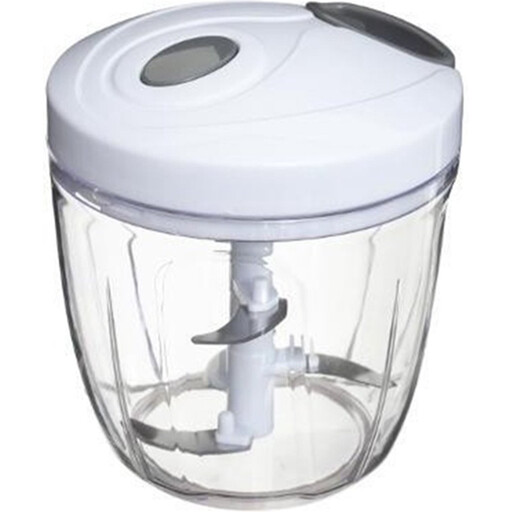
Why it suits this profile: This manual food chopper works without electricity and has a capacity of 900 ml. It is suitable for simple everyday preparations involving onions, herbs and vegetables.
The capacity, manual operation and removable blades are clearly specified. Bear in mind that the bowl is not dishwasher-safe.
900 ml capacity, five blades, non-slip base and no electricity required.
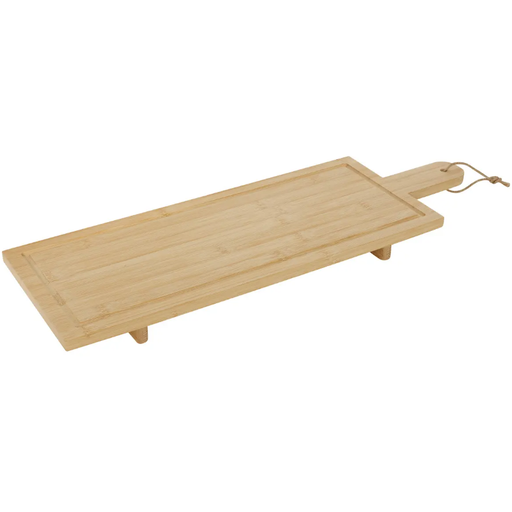
Why it suits this profile: The extra-long design provides space for cheese, bread, sushi, desserts or charcuterie when entertaining at home.
The dimensions and material are clearly specified. The board must not be soaked and is not dishwasher-safe.
Bamboo, 60 x 20 cm, easy to handle and suitable for presentation.
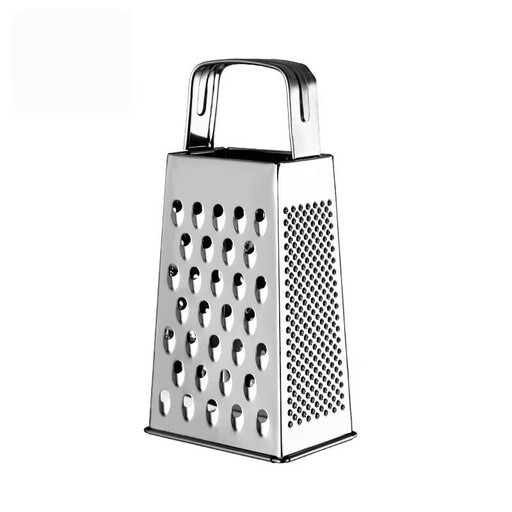
Why it suits this profile: A four-sided grater is useful when you want different grating or slicing textures without storing several separate kitchen tools.
The four sides make the functions clearer than with a product that only uses general descriptions. Use the grater carefully and clean it immediately after use.
Multifunctional design and stainless steel construction.
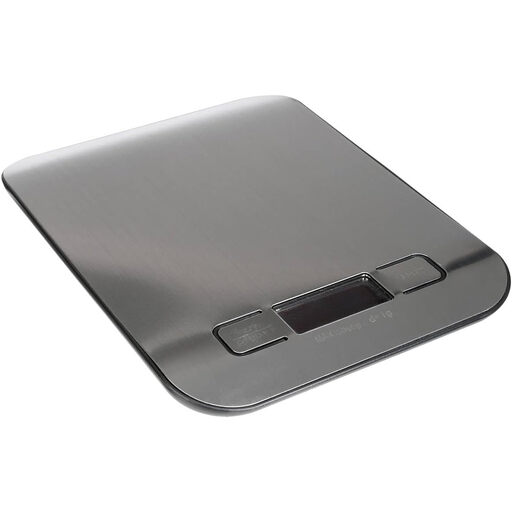
Why it suits this profile: The tare function and capacity of up to 5 kg are useful for baking, portioning and weighing everyday ingredients.
The maximum load, dimensions and tare function are specified. Bear in mind that batteries are not included.
LCD display, tare function, automatic switch-off and maximum load of 5 kg.
We have compiled a complete, up-to-date list of products that fully meet these strict selection criteria and the applicable European safety regulations.
A practical basic set could include:
For every product, look at the specific details rather than focusing only on terms such as “multifunctional” or “professional”. A tool is only practical if its size, operation and cleaning requirements fit into your kitchen routine.
Start with a digital kitchen scale, a compact manual food chopper, a grater and a good spatula. These tools take up relatively little space and are useful for both cooking and baking.
Clean each product according to the stated instructions, dry metal parts immediately and do not soak bamboo. Regularly check blades, handles and non-slip parts for damage. Only use a tool for the purpose for which it was designed.
They can be, provided the essential information is clear: material, dimensions, capacity, maintenance and food contact. Also compare the warranty, included parts and storage requirements. A simple product with clear specifications may be more practical than an expensive model with features you do not use.
