
Vandaag of morgen in huis

Kwaliteit gegarandeerd

Welkomstaanbiedingen ontgrendelen: GRATIS bezorging | Tot 80% korting | Gratis 30 dagen JoyPlus-proefperiode
Download de app
Making the wrong purchase is all too easy. You're looking for comfortable slippers, but you end up with a pair that wears out after a few weeks, isn't warm enough, or proves dangerously slippery on your tiled floor. Choosing the right slippers or house socks requires careful attention to the material, sole, and intended use. This guide will help you make an informed choice based on product features.
Before making a decision, it's helpful to consider a few key specifications. This will help you find a product that meets your needs for comfort, safety, and durability.
The material largely determines the comfort and functionality.
The sole is a crucial component for safety at home. A slippery sole can lead to falls, especially on smooth floors like laminate, parquet, or tiles. Look for the following features:
Not every slipper is suitable for every situation. Consider what you will primarily be using them for.
Below is a selection of different types of slippers, each with specific features for various uses.
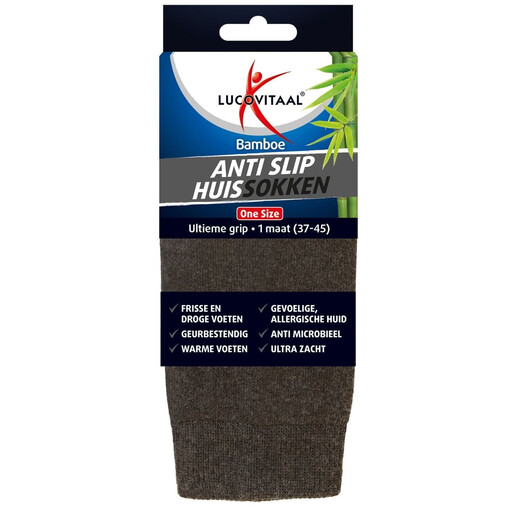
Why this product: These home socks combine the properties of a sock with the safety of a slipper. The composition is 85% bamboo, 13% polyamide, and 2% elastane. According to the manufacturer, PK Benelux BV, bamboo textile is thermoregulating and absorbs sweat four times faster than cotton, contributing to dry and fresh feet. The sole is equipped with non-slip PVC rubber for grip on smooth surfaces.
Advantages:
Who is this for: Individuals who prefer the feel of a thick sock over a traditional slipper but still want the safety of a non-slip sole. Also suitable for people with sensitive skin, given the claimed hypoallergenic properties.
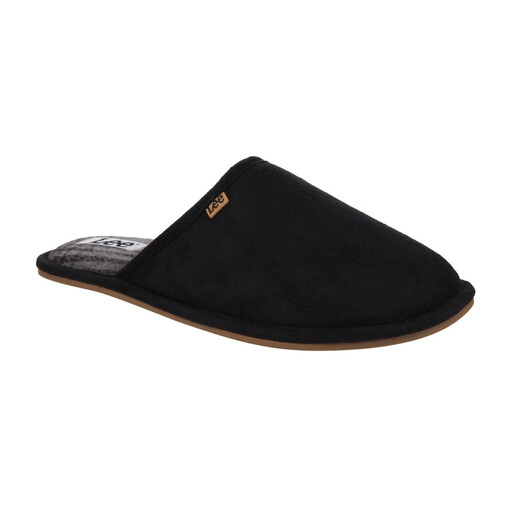
Why this product: This is a classic slip-on slipper, also known as a 'mule slipper'. The model is lined with soft and breathable faux fur for extra comfort and warmth. The outsole is described as sturdy and wear-resistant. The design focuses on ease of use and comfort during cold days.
Advantages:
Who is this for: Users looking for traditional, warm slippers for daily use in and around the house. It is a practical choice for those who value warmth and a robust sole. Pay attention to the care instructions: the manufacturer advises against machine washing these slippers.
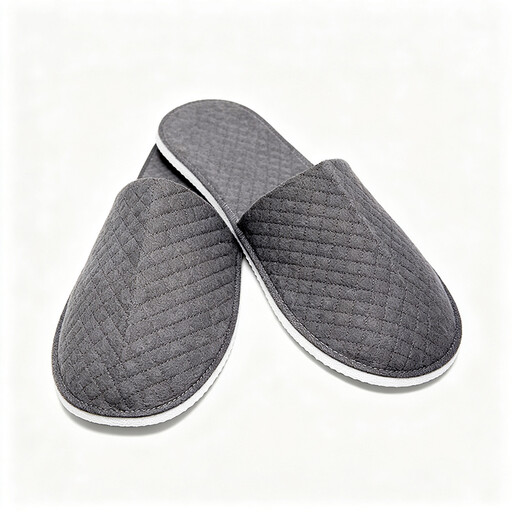
Why this product: These disposable slippers are specifically designed for hygiene and convenience. They are made of non-woven fabric, and each pair is individually wrapped to be clean and ready for immediate use. The sole has a non-slip texture for safe use on various indoor floors. The universal size is designed to fit most adult feet.
Advantages:
Who is this for: This product is a functional solution for households that regularly host guests, owners of B&Bs, spas, and salons, or for travellers seeking a hygienic slipper for hotel or airplane use.
The selection above covers some specific needs, from warm home socks to hygienic guest slippers. You may prefer a different material, another type of sole, or a specific design. For a broader overview of available models, you can browse our full assortment.
View all slippers in our category here.
1. What is the difference between various types of indoor footwear? Although the terms are often used interchangeably, there are slight differences. Slippers is the umbrella term for indoor footwear. Soft slippers (or sloffen) are typically soft, flexible, and often lack a separate, hard sole. Mules have an open back (slip-on model) and can range from simple spa slippers to lined house slippers.
2. How do I know if slippers have a good non-slip sole? Check the product description and images for the presence of a textured sole or rubber studs. Materials like rubber and PVC generally offer more grip than a smooth fabric or felt sole. A clear tread pattern is a good indicator of non-slip properties.
3. Can I wash my slippers? This depends entirely on the material and construction. Textile house socks can often be machine-washed, but slippers with a glued, sturdy sole or a lining of (faux) fur usually cannot. Always check the manufacturer's care instructions to prevent damage.
