
Vandaag of morgen in huis

Kwaliteit gegarandeerd

Welkomstaanbiedingen ontgrendelen: GRATIS bezorging | Tot 80% korting | Gratis 30 dagen JoyPlus-proefperiode
Download de app
Whether you're cruising the streets on a skateboard, practising tricks on a stunt scooter, or finding your balance on inline skates, one thing is essential: proper protection. A fall can happen in an instant, and your head is the last thing you want to injure. But finding the right helmet can be a challenge. What fit do you need? Which material is safe? And how do you ensure the helmet is comfortable enough that you'll actually wear it?
As a Joybuy Product Recommendation Officer, I'm here to help you get started. In this article, we'll give you practical tips for choosing a skateboard helmet and highlight some popular choices for 2026 based on their specifications.
Before we look at the products, it's helpful to know what to pay attention to. A good helmet is more than just a hard shell.
A helmet that doesn't fit properly won't offer optimal protection. An adjustable helmet is therefore a smart choice. Look for models with an adjustment dial at the back and adjustable chin straps. This is especially important for a helmet for kids, as their heads are still growing. But for a helmet for adults too, a precise fit ensures greater safety and comfort.
Measure your head circumference at its widest point (about 2.5 cm or 1 inch above your eyebrows) with a measuring tape to determine the correct size. The helmet should sit snugly without pinching and should not slide forward or backward.
Most skate helmets, including the BMX helmet and stunt scooter helmet, have a similar construction focused on impact absorption. Pay attention to the following materials:
Good skateboard protection starts with this combination of materials.
During an active session, you can work up a sweat. A helmet with sufficient ventilation vents provides airflow and keeps your head cooler. Many helmets also have a removable and washable liner. This is not only comfortable but also hygienic. This is an important feature for any skate helmet or inline skate helmet that is used intensively.
Below is a selection of helmets that stand out for their specifications and functionality.
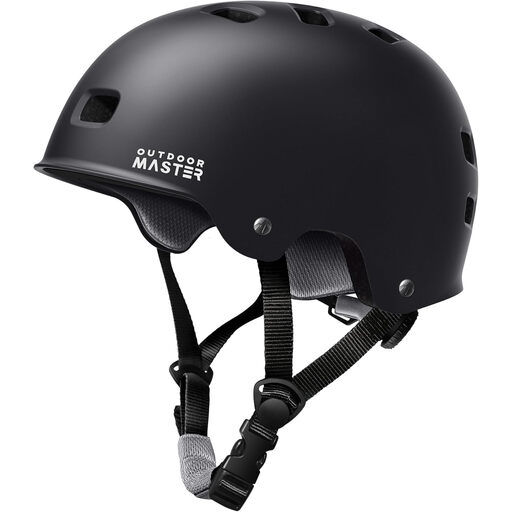
Why It Stands Out The OutdoorMaster Oryx is designed as a versatile helmet for various urban sports. What immediately stands out is its construction, featuring a reinforced ABS shell and a thick, shock-absorbing EPS core. A unique feature is the included extra liner, allowing you to customise the fit and always have a clean, dry liner on hand.
Pros
Who is this helmet for? This helmet is a great choice for adults or teenagers with a larger head circumference (59-63 cm) who are looking for a durable and adjustable helmet for regular use across various sports.
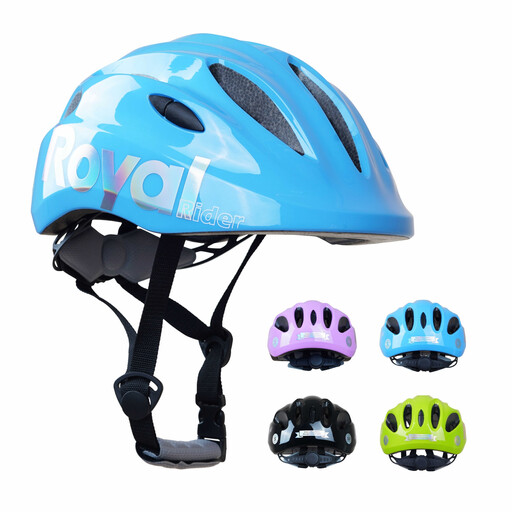
Why It Stands Out Specifically aimed at the younger user, the RoyalBaby Everest helmet combines safety with a very lightweight design. Weighing only 250 grams, this helmet is comfortable for children to wear for extended periods. The 10 ventilation vents ensure good air circulation, while the combination of a PC outer shell and EPS inner liner provides the necessary protection.
Pros
Who is this helmet for? This is an excellent option for parents looking for a safe, lightweight, and comfortable helmet for kids between 5 and 13 years old (head circumference 52-56 cm). Perfect for their first rides on a skateboard, scooter, or bike.

Why It Stands Out This model shares the strong features of its black XL counterpart: a robust ABS shell, a thick EPS core, and the convenient dual-liner system. This medium version, however, is designed for a smaller head circumference and offers the same versatility and durability in a different size and a fresh white colour.
Pros
Who is this helmet for? Ideal for teenagers and adults with an average head circumference (51-58 cm) who are looking for a reliable all-around helmet for skating, cycling, BMX, or scootering.
If your ideal model isn't here or you want to compare more styles and colours, there are more helmets suitable for various urban sports. For example, a good BMX helmet often has similar protective properties to a skate helmet and can be an excellent alternative.
Check out our full range in the BMX helmet category.
A skate helmet typically has a rounder shape that covers more of the back of the head. This is because skaters and BMX riders are more likely to fall backwards. Bike helmets are often more aerodynamic and lighter, with a greater focus on ventilation and protection in a forward fall. However, many modern skate helmets are multi-sport certified and therefore also suitable for cycling.
Use a flexible measuring tape and wrap it around the widest part of your head, about 2.5 cm (1 inch) above your eyebrows and ears. Read the circumference in centimetres and compare it to the size chart of the helmet you are considering.
Replace your helmet immediately after a hard fall or a significant impact, even if you don't see any visible damage. The internal EPS foam core may have been compressed and will no longer offer full protection. Additionally, it is recommended to replace a helmet every 3 to 5 years, depending on use, as materials can weaken over time from sweat and UV light.
