Vandaag of morgen in huis

Kwaliteit gegarandeerd

Welkomstaanbiedingen ontgrendelen: GRATIS bezorging | Tot 80% korting | Gratis 30 dagen JoyPlus-proefperiode
Download de app
A cluttered hallway with shoes strewn about is a common problem. The search for a solution often leads to a shoe rack, but it's easy to make the wrong choice. A rack that wobbles, doesn't fit in the intended space, or starts to sag after just a few months only leads to more frustration.
This guide will help you make an informed decision. We'll cover the key criteria to consider and highlight several models based on their specifications and functionality. This way, you can find the perfect shoe storage solution that fits your living space and needs.
Before making a choice, it's wise to consider a few practical matters. By aligning your requirements with the product's features, you'll minimise the chance of disappointment.
The first decision is often between an open or a closed design.
The material determines the durability and aesthetic of the shoe organiser.
Always measure the available space (width, depth, and height) accurately. A narrow shoe rack is ideal for tight hallways, while a taller model makes use of vertical space. Consider how many pairs of shoes you need to store. Also, account for different types of footwear; boots require more height between shelves than sneakers.
Some models offer convenient extras that enhance usability.
Based on the criteria above, we have selected a range of products with different features, suitable for various situations.
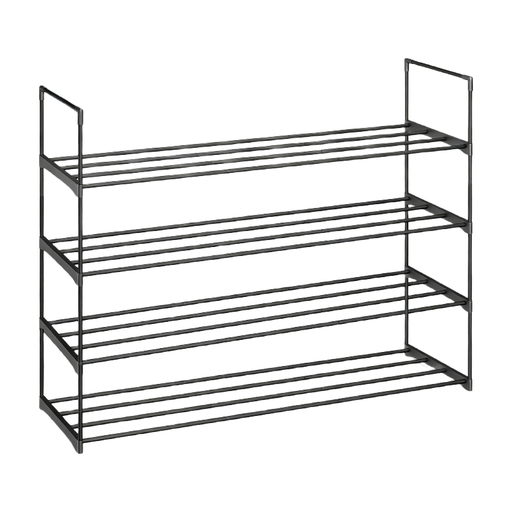
Why We Chose It: This model combines a large capacity with a flexible design. Its metal construction and stackable feature make it a durable and scalable solution.
Advantages:
Who It's For: Families or individuals with a large shoe collection looking for a robust and expandable storage solution for the hallway, closet, or utility room.
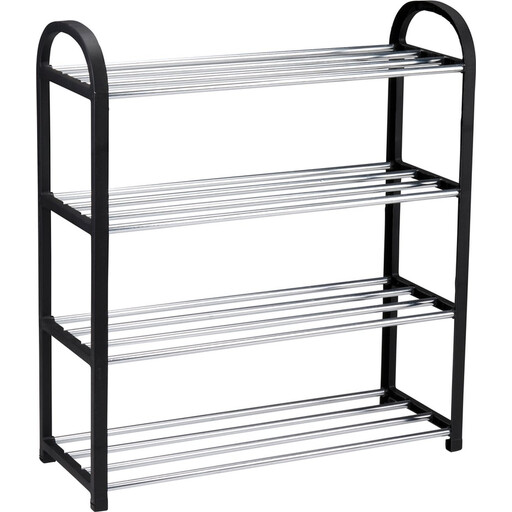
Why We Chose It: The Alpina shoe cabinet is specifically designed for very narrow spaces. With a depth of just 18 cm, this rack fits into hallways and nooks where most other models are too bulky.
Advantages:
Who It's For: Residents of apartments or homes with a very narrow hall or corridor who need a compact and functional solution for a limited number of shoes (up to 8 pairs).
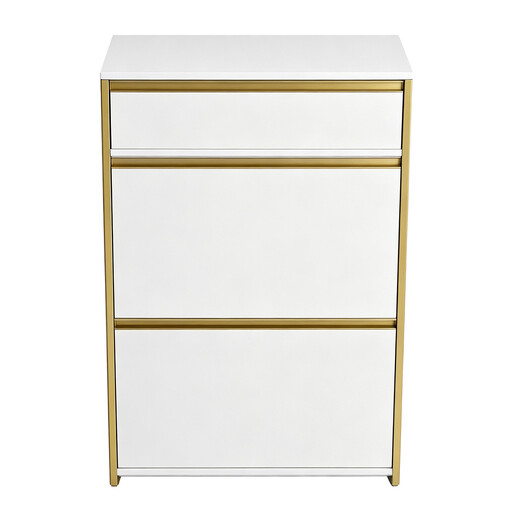
Why We Chose It: This shoe cabinet offers a closed storage solution that conceals clutter while adding a decorative element to your interior. The combination of doors, a drawer, and adjustable shelves makes it a multifunctional piece of furniture.
Advantages:
Who It's For: Individuals who prefer an uncluttered look and are looking for a piece of furniture that is both functional and stylish. Ideal as a hallway shoe cabinet or for the living room.
Is floor space in your hallway or entryway extremely limited? Making use of vertical space is a smart move. An alternative to a freestanding shoe rack is an over-the-door model. These racks take up zero floor space and can hold a surprisingly large number of shoes.
Check out our selection of over-the-door racks for more space-saving solutions.
This depends on your priorities. An open rack offers better ventilation and quick access to your shoes. A closed cabinet provides a tidier appearance and protects shoes from dust, but may have less ventilation.
Choose a model with a stable base and a low centre of gravity. Place the heaviest shoes on the bottom shelves. For tall and narrow cabinets, like the HaluPeit, it is highly recommended to use the included anti-tip kit to anchor the unit to the wall.
The capacity varies greatly. A small, narrow rack might hold 6 to 8 pairs, while larger models like the Sekey rack can accommodate 20 pairs or more. Always check the product specifications for the dimensions and estimated capacity.