
Vandaag of morgen in huis

Kwaliteit gegarandeerd

Welkomstaanbiedingen ontgrendelen: GRATIS bezorging | Tot 80% korting | Gratis 30 dagen JoyPlus-proefperiode
Download de app
Choosing the right shampoo may seem straightforward, but the range of options is extensive. Are you looking for shampoo for damaged hair, dry hair, oily hair or curly hair? You will quickly encounter terms such as “repairing”, “natural” and “professional”. These claims only become meaningful when considered alongside the ingredients, quantity and directions for use.
As a Joybuy Product Recommendation Officer, I filter the most important product information based on verifiable specifications. This helps you avoid paying for a promise that does not suit your hair or scalp.
Terms such as “repair shampoo”, “shampoo for shiny hair” and “against hair breakage” generally describe a product’s intended purpose. They do not mean that damaged hair will be biologically repaired or that breakage will disappear completely. According to L’Oréal’s product description, the Absolut Repair formulas are designed to care for damaged hair using, among other things, quinoa and protein ingredients. Consider this a hair-care choice, not a medical or permanent solution.
A sulfate-free shampoo can be a good choice if you are looking for a gentler cleanse, but that does not automatically make every such product suitable for dry or sensitive hair. Conversely, a shampoo containing sulfates may be appropriate for an oily scalp or if you use a lot of styling products. Always check the full ingredient list on the packaging. Formulas are regularly updated.
“Natural”, “vegan shampoo” and “biodegradable” also refer to different properties. A product can be vegan without being plastic-free, or contain ingredients of natural origin without being entirely natural.
A purple shampoo containing violet pigments is intended, according to the brand’s product information, to visually neutralise yellow or brassy tones in grey, white or light-blonde hair. Such a product is not automatically a standard shampoo for daily use. A clarifying shampoo, by contrast, is designed to cleanse more thoroughly, removing product build-up, minerals and excess oil. Using it too often may feel uncomfortable for some hair types.
First, determine what your hair actually needs:
The first ingredients are generally listed in the greatest quantities. Look out for cleansing agents, conditioners, oils, fragrances and potential allergens. According to the supplied ingredient list, Andrelon Extra Shine contains, among other ingredients, Sodium Laureth Sulfate, dimethiconol, parfum and several fragrance allergens. This is relevant information if you prefer to avoid fragrance or specific ingredients.
A shampoo bar can be a practical choice if you want to reduce your use of liquid packaging. According to its product listing, the HappySoaps Aloe You Vera Much Shampoo Bar weighs 70 grams, is vegan and comes in 100% plastic-free bar packaging. The description mentions aloe vera, quinoa, shea butter and olive oil. With a bar, make sure you know how to store it so that it can dry properly after use.
Compare millilitres or grams with how frequently you wash your hair. A 1,500 ml bottle, such as L’Oréal Professionnel Absolut Repair, may be suitable for a large household or salon, but less convenient if you regularly switch formulas. A compact 200 to 300 ml bottle is easier to take with you and allows you to try a product first.
Follow the directions on the packaging. In most cases, you apply shampoo to wet hair, focus the massage on the scalp and rinse thoroughly. The lengths do not always need to be rubbed extensively; the rinse water already carries some of the cleansing action through the hair.
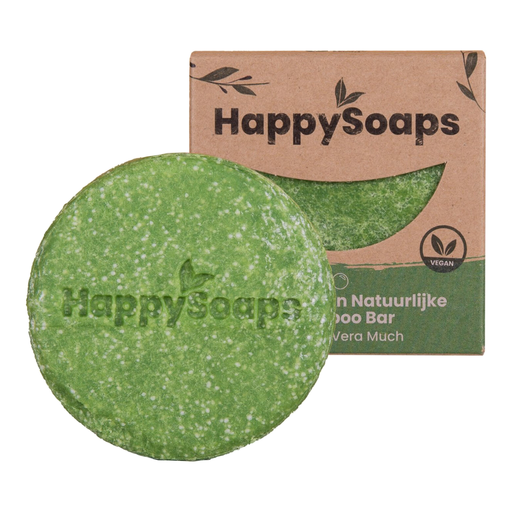
Why it fits: A compact shampoo bar for adults who want to try plastic-free hair care for normal, oily or damaged hair.
The product listing clearly states the format, 70-gram quantity and formula properties instead of relying solely on a vague sustainability claim.
Vegan, 100% plastic-free according to the product information, and suitable for normal, oily and damaged hair.
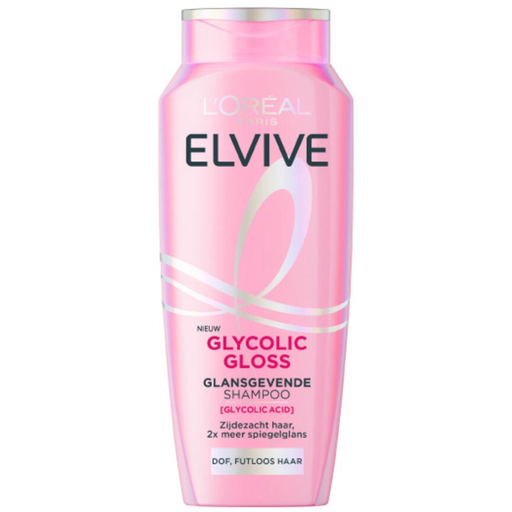
Why it fits: For dull or porous hair where softness and shine are important.
The product information states that the ingredient list on the packaging takes precedence, so check it before purchasing.
250 ml, sulfate-free formula according to the product description, and designed for a range of hair types.
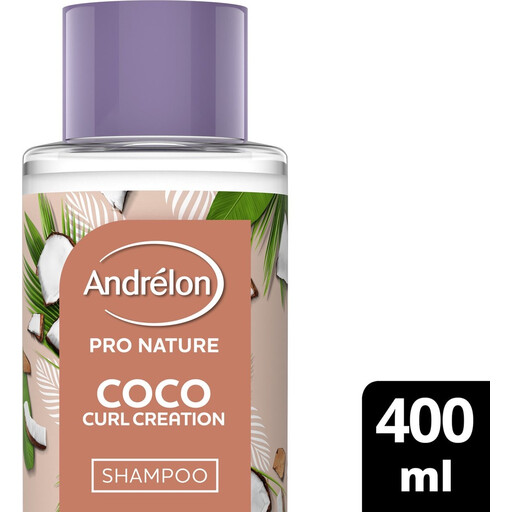
Why it fits: Designed for curly hair that needs hydration and care, without sulfates or silicones according to the product listing.
The selected variant is specifically associated with curly hair, so you do not have to rely solely on the generic term “natural”.
400 ml, 0% sulfates and 0% silicones according to the product information, with coconut oil listed as an ingredient.
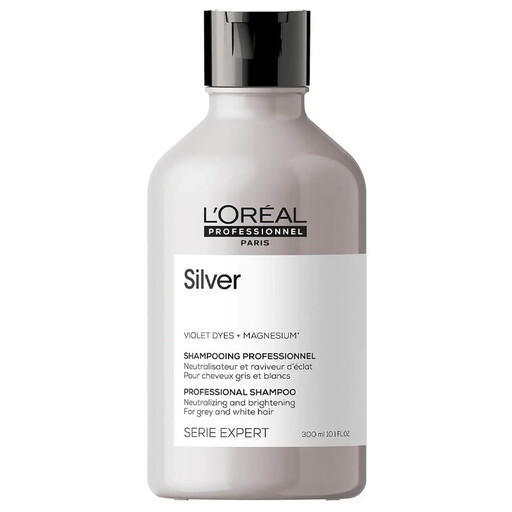
Why it fits: For grey, white and light-blonde hair when you want to maintain a cooler colour tone.
The product description identifies the target hair types and specifies a processing time of 1 to 3 minutes. Use the label for the latest instructions.
300 ml and violet pigments according to the product description, with a clearly defined colour application.
Browse a current selection of shampoos for different hair types, use cases and hair-care preferences.
Start with a small amount and add more only when needed. Massage the scalp with your fingertips rather than scrubbing vigorously. For long or thick hair, a second wash may be useful, but this depends on oil, styling products and the formula.
For dry, curly or damaged hair, consider applying conditioner to the lengths. According to the product description, a shampoo for hair breakage may help care for fragile lengths, but regular trims, gentle detangling and reduced heat styling remain important too.
This depends on your scalp, hair length, sporting activities and use of styling products. Oily hair may need washing more frequently, while dry or curly hair often benefits from less frequent washing. Do not choose a routine based solely on a fixed schedule; pay attention to how your scalp and lengths feel.
Not necessarily. “Sulfate-free” says something about the cleansing agents used, but not about the formula as a whole. Also consider fragrance, oils, conditioners and other ingredients. Introduce a new shampoo gradually as part of your routine and follow the instructions on the packaging.
Check the expiry information and the open-jar symbol indicating the period after opening on the packaging. Many products, for example, state 6M or 12M after opening. Store shampoo in a dry place, close bottles securely and allow a shampoo bar to dry completely between washes.
