
Vandaag of morgen in huis

Kwaliteit gegarandeerd

Welkomstaanbiedingen ontgrendelen: GRATIS bezorging | Tot 80% korting | Gratis 30 dagen JoyPlus-proefperiode
Download de app
Pigmentation, acne marks and a dull complexion can develop for various reasons. If you are looking for a serum for pigmentation, you will quickly come across plenty of promises about radiant skin, rapid correction and a more even complexion. However, eye-catching packaging says little about whether a formula is suitable for your skin.
The main pitfalls when choosing a serum for dark spots are:
Marketing claims without a clear ingredients list
A term such as “brightening” does not tell you which active ingredients are present or in what concentration. Always check the full INCI list.
Using too many active ingredients at once
Vitamin C, niacinamide, acids and other brightening ingredients can complement one another, but using several potent products in one routine can leave your skin feeling uncomfortable.
Skipping sun protection
A serum for hyperpigmentation is not a substitute for sunscreen. Formulas containing AHA, citric acid or kojic acid may increase sensitivity to sunlight, according to the product warning. Use a broad-spectrum sun protection product during the day and limit prolonged exposure to the sun.
A suitable anti-pigmentation serum does not need to contain as many ingredients as possible. Focus on the combination of purpose, concentration and skin type.
Also look out for fragrance, alcohol and potential fragrance allergens. If you have sensitive skin, it may be better to start with a simple fragrance-free formula. Beauty of Joseon, for example, states that its formula is free from fragrance and alcohol. Other products do contain fragrance or fragrance allergens, so check the label before buying.
For oily or blemish-prone skin, a lightweight gel or water-based formula often feels more comfortable than an oily one. A serum for an even complexion should also work well with a moisturising cream without leaving a heavy layer behind.
For dry skin, glycerine, hyaluronic acid, panthenol, squalane or nourishing oils are useful ingredients to look out for. A serum for radiant skin is best followed by a moisturiser to help limit moisture loss.
Sensitive skin calls for a gradual introduction:
When using a serum for age spots or a serum for acne marks, patience is important. Product descriptions may mention visible changes after a certain period, but results will not be the same for every user. Claims based on a brand’s own research or a user trial cited by the brand do not automatically apply to every skin type.
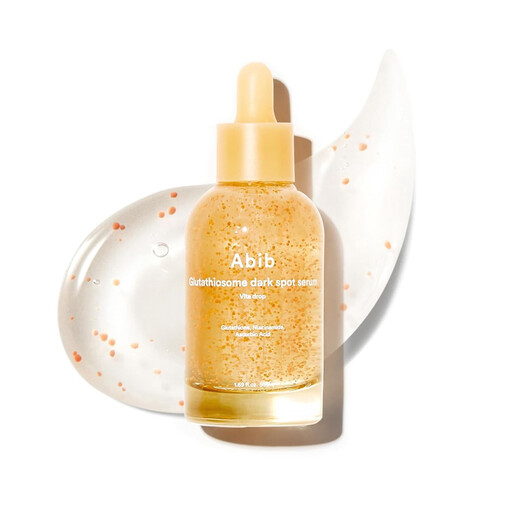
Why this suits the profile: The lightweight texture and 50 ml size make it suitable for daily use if you are trying a serum for dark spots for the first time. According to the product information, it is suitable for all skin types.
The product description gives specific information about the texture and application: the micro-beads dissolve when applied, and the serum should not feel sticky.
50 ml size, glutathione micro-beads and a lightweight formula for daily use.
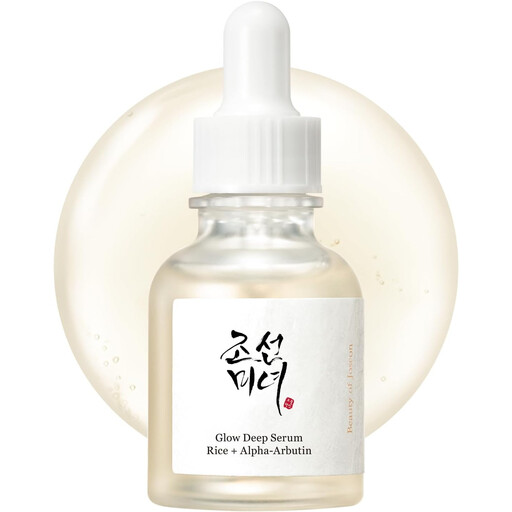
Why this suits the profile: This option is ideal if you are looking for a clearly specified, fragrance- and alcohol-free formula for a dull or uneven complexion.
The ingredients list states 2% alpha-arbutin and 68.6% rice bran water, making the formula easy to compare on an informed basis.
30 ml, fragrance-free according to the product information, with alpha-arbutin, niacinamide and hydrating ingredients.
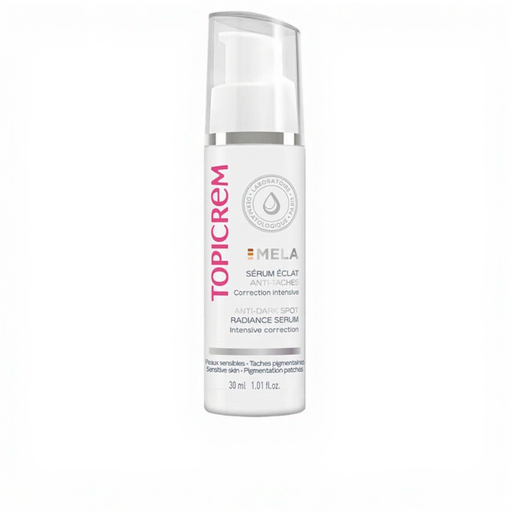
Why this suits the profile: According to the product information, the formula is designed for sensitive skin and can be used in the morning and/or evening on the face, neck and décolletage.
The product information states that it has been dermatologically and ophthalmologically tested, and lists gluconolactone, niacinamide and a vitamin C derivative among its ingredients.
30 ml, dispenser packaging and 92% ingredients of natural origin according to the listed product specifications.
We have put together a complete, up-to-date list of products that fully meet these strict selection criteria and the applicable European safety regulations.
Apply a serum to cleansed skin before your moisturiser. Follow the recommended amount on the packaging; using more product does not automatically mean a stronger effect. During the day, use a sun protection product with suitable protection. Store a vitamin C serum or formula containing acids according to the instructions and close it securely after use.
If you want to combine different products, add one new product at a time. This makes it easier to assess how your skin reacts. For persistent or changing pigmentation, it is advisable to consult a GP or dermatologist.
You will usually need to use a formula consistently before you can assess a change in the appearance of pigmentation or your complexion. Brands may cite their own user trials or research; results from a brand’s own research do not automatically apply to every user. Take photographs in comparable lighting and only evaluate the results after several weeks.
This depends on the ingredients. A hydrating formula containing glycerine or hyaluronic acid, for example, can generally be incorporated into a daily routine easily, in accordance with the label. With AHA, lactic acid, PHA or kojic acid, it is wiser to build up usage gradually. Stop if irritation occurs and use sun protection during the day.
The price varies depending on the brand, volume, packaging and ingredients. Do not compare only the price per bottle; also consider the volume in millilitres, the number of applications and whether the formula contains fragrance or active acids. A 30 ml product may work out cheaper or more expensive per use than a 50 ml bottle, depending on the recommended amount.
