
Vandaag of morgen in huis

Kwaliteit gegarandeerd

Welkomstaanbiedingen ontgrendelen: GRATIS bezorging | Tot 80% korting | Gratis 30 dagen JoyPlus-proefperiode
Download de app
Itchy skin, red patches, or irritation after wearing freshly laundered clothes? You're not alone. The search for a good laundry detergent for sensitive skin can feel like navigating a maze of marketing claims. Many products promise gentleness but contain hidden irritants.
As a Joybuy Product Recommendation Officer, I'm here to help you make the right choices. We'll look beyond the fancy packaging and focus on what truly matters. Let's expose two common pitfalls that could cost you money and cause skin problems.
To avoid a bad purchase, it's crucial to know what to look for. Focus on these two key points before adding a detergent to your cart.
The ingredients list is the most reliable source of information. For sensitive skin, it's wise to avoid products containing the following substances:
A hypoallergenic laundry detergent is specifically formulated to minimise the risk of allergic reactions and typically omits these ingredients.
The form of the detergent and the type of fabric also play a role.
Not all detergents are created equal. Below is a selection of products that suit different needs and lifestyles, based on their specifications.
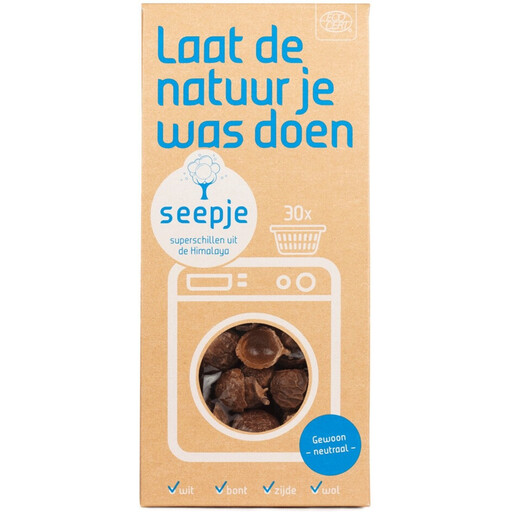
Why This Fits Their Persona: Ideal for families wanting a completely natural and low-waste laundry routine. Suitable for the little ones and people with extremely sensitive skin looking for a pure product without any additives.
This product sidesteps the 'natural' pitfall by using genuinely 100% natural ingredients (Sapindus mukorossi shells). There are no synthetic additives.
Hypoallergenic and pH-neutral for skin. Suitable for all fabric types, including wool, silk, and baby clothes. The shells are fully biodegradable.
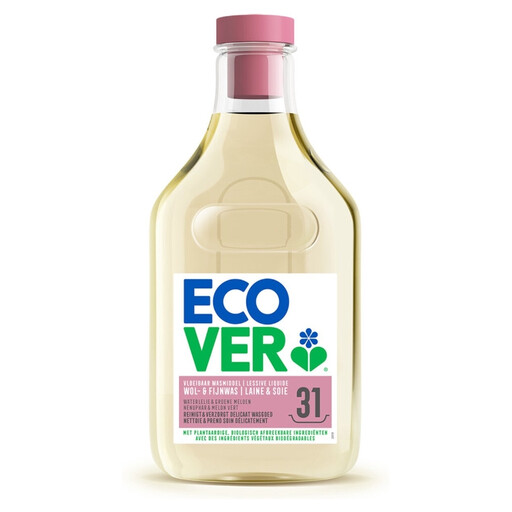
Why This Fits Their Persona: Perfect for those who want to protect their delicate wool and silk garments while making a skin-friendly and ecological choice. The formula is gentle on fibres and skin.
This product gives substance to the "dermatologically tested" claim by specifying that it was tested on sensitive skin types. The focus on plant-based, biodegradable ingredients supports this.
Specifically developed as a detergent for delicates. The packaging is made from 100% recycled plastic, and the formula is vegan-friendly.
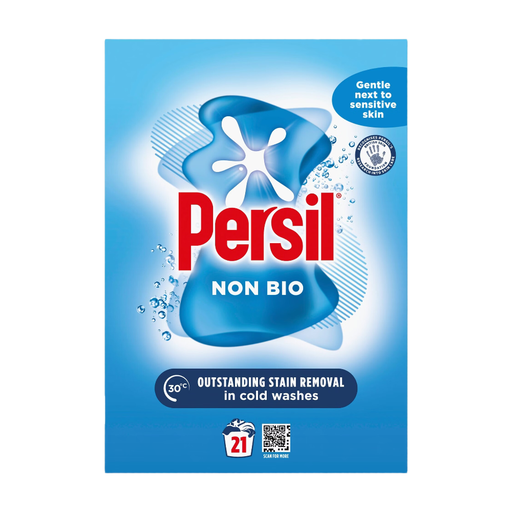
Why This Fits Their Persona: For those seeking a reliable detergent that is tough on stains yet gentle enough for sensitive skin. A no-nonsense choice for daily use in a busy household.
This product goes beyond 'dermatologically tested'. According to the manufacturer, its skincare research is recognised by the British Skin Foundation, which adds an extra layer of credibility.
The 'Non-Bio' formula contains no enzymes, which can cause skin irritation in some people. It is effective at stain removal, even in cold wash cycles.
We have compiled a complete, up-to-date list of products that meet these strict selection criteria and regulations.
Yes, but choose wisely. Many fabric softeners are loaded with fragrance and other chemicals. Look for a fabric softener for babies or a version explicitly labelled as hypoallergenic and fragrance-free. A product like At Home Wash Fabric Softener - Sensitive Sweet Baby is specially developed for sensitive baby skin and is dermatologically tested and hypoallergenic. An alternative is a splash of white vinegar in the softener compartment; this naturally softens laundry without leaving residue.
Not always. Although an eco-friendly detergent often contains plant-based ingredients and fewer harsh chemicals, it can still contain natural allergens, such as essential oils for fragrance. Always check the ingredients list for the presence of perfume or other known irritants, even with an ecological product.
'Bio' (biological) detergent contains enzymes. These enzymes are highly effective at breaking down protein- and fat-based stains, such as blood, grass, and food residues. 'Non-bio' detergent does not contain these enzymes. While most people are not bothered by enzymes, a small group with very sensitive skin may react to them. For this reason, a 'non-bio' detergent like Persil Non Bio is often recommended for baby clothes and people with skin conditions like eczema.
