What should you look for when choosing?
Decide what matters most at the table: a wholegrain base, diners’ allergens, or the flavour and texture that go with your toppings. Then check the nutritional information for the varieties you’re considering.
| What to consider |
What to check when buying |
Who is this most important for? |
| Wholegrain base and fibre |
Look for the ‘wholegrain’ label and compare fibre per 100 g or for equal serving sizes. According to the Netherlands Nutrition Centre, a product labelled ‘wholegrain’ is made from 100% wholemeal flour. |
If a wholegrain base is my priority for dinner, I won’t choose based on the visible seeds alone. For around 42% of consumers, the grain base comes first. |
| Allergens |
Read the ingredients list, highlighted allergens and any warnings on the specific pack; the product name or image alone isn’t enough. |
If someone at the table needs to avoid sesame or cereals containing gluten, I need to know what’s in every pack before serving it. This is the first concern for around 33% of consumers. |
| Seed type and texture |
Check which seeds are listed and whether the pack contains enough pieces for the number of diners. Compare salt per 100 g or per serving on the same basis. |
When serving a variety of toppings, I want a crunchy option whose flavour suits the meal. Seed type is the deciding factor for around 25% of consumers. |
Products for your table
These products offer two options to consider for dinner: wholegrain crispbread and a sunflower seed variety. For the second option, check that the product format is the type of crispbread you’re looking for.
 Image unavailable
Bolletje wholegrain crispbread, 265 g
An option to consider if you’re looking for wholegrain crispbread for dinner. The pack states 265 g; check the latest allergen information and salt content on the label before serving it to your guests.
View at Joybuy
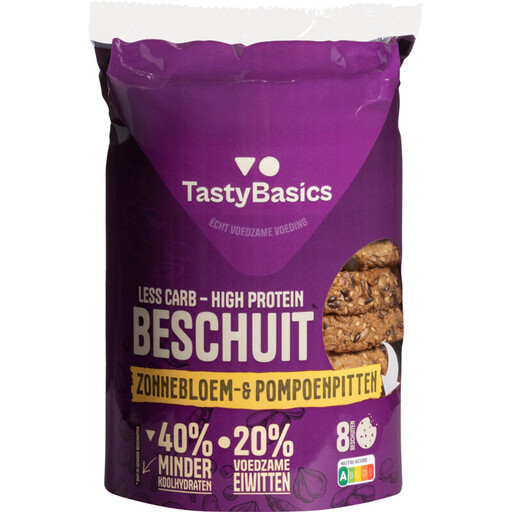 Image unavailable
TastyBasics rusks with sunflower seeds, 8 pieces
An option to consider if sunflower seeds would go well with your toppings. The title states 8 pieces and describes the product as rusks, so check that the format is the type of crispbread you want to serve, and read the allergen information on the pack.
View at Joybuy
Frequently asked questions
Does seeded crispbread for a family dinner need to be wholegrain?
No. Choose wholegrain if that grain base matters to you. According to the Netherlands Nutrition Centre, ‘wholegrain’ means a product made entirely from wholemeal flour; also compare the seed type, nutritional information and allergens of the varieties you’re considering.
What should I check if someone can’t eat sesame or gluten?
Check the ingredients and allergens on each individual pack before serving. Sesame and cereals containing gluten, including rye, need particular attention; also read any cross-contamination warnings on the pack.
Does seeded crispbread always contain iodised baker’s salt?
Don’t assume that all crispbread contains iodised baker’s salt. The Dutch Government Gazette described measures to encourage the use of iodised salt in bread and bread substitutes in 2008; check the ingredients list for the product you’re buying.
How do I compare salt if everyone eats several pieces?
Compare the salt content of products on the same basis, for example per 100 g, then consider the serving size. The Netherlands Nutrition Centre gives an average of 0.1 g of salt per 10 g piece of wholegrain crispbread; use the value on the specific product’s pack when making your choice.


