
Vandaag of morgen in huis

Kwaliteit gegarandeerd

Welkomstaanbiedingen ontgrendelen: GRATIS bezorging | Tot 80% korting | Gratis 30 dagen JoyPlus-proefperiode
Download de app
A caked-on pan, stubborn limescale in the bathroom, or grease stains on the stove: every cleaning job seems to require a different solution. The wrong scouring sponge can leave scratches on your new pans or fixtures, while one that's too soft won't tackle the grime. Finding the right balance between power and gentleness is essential.
As a Joybuy Product Recommendation Officer, I'm here to guide you. In this article, we'll provide practical tips for choosing a scouring sponge and highlight some popular choices suitable for various tasks in and around your home. This way, you can make an informed decision, free of marketing jargon.
Before you make a choice, it's helpful to know which type of sponge best suits your cleaning habits. Pay attention to the following points.
Not all scouring sponges are created equal. The classic green scouring pad is effective on robust surfaces but can cause scratches on delicate materials like non-stick pans, glass, or stainless steel. A non-scratch scouring sponge is a better choice in these cases. These are often made from special synthetic fibres or foam that lifts dirt without damaging the surface. Always check the product information to see if a sponge is suitable for the surfaces you intend to clean.
Hygiene is a key factor in cleaning. It's wise to use different sponges for different areas to prevent cross-contamination. A kitchen sponge is used for dishes and countertops, while a bathroom sponge is specifically designed for removing limescale and soap scum from tiles and fixtures. Some sets offer sponges in various colours, which helps to keep them separate.
For households that value efficiency and economy, a scouring sponge set is often a smart choice. A value pack ensures you always have a fresh sponge on hand, contributing to a hygienic cleaning routine. Sponges can be a breeding ground for bacteria and should be replaced regularly. With a larger set, you're less likely to run out and it's often more cost-effective in the long run.
Based on product specifications and applications, we've compiled a list of interesting options for you.
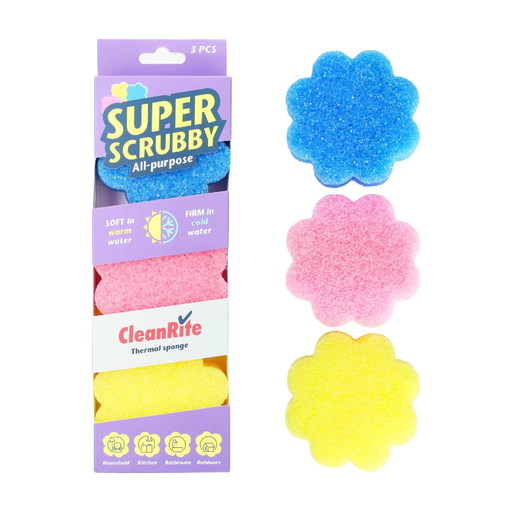
Why it stands out: This sponge adapts to the water temperature. In cold water, the sponge becomes firm and powerful for heavy-duty scrubbing. In warm water, it becomes soft and flexible, ideal for washing dishes or cleaning delicate surfaces.
Pros:
Who is this for? For households looking for a single, versatile cleaning sponge suitable for a wide range of jobs, from scrubbing a caked-on baking dish to gently cleaning glassware.
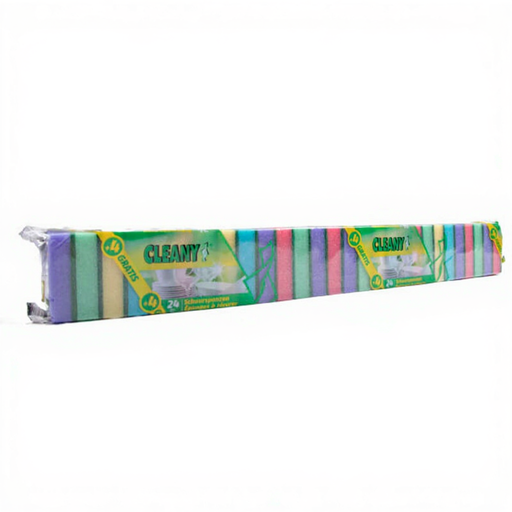
Why it stands out: This is a classic scouring sponge set that excels in quantity and value. With 28 pieces in one package, you'll have a long-lasting supply for general cleaning tasks.
Pros:
Who is this for? For budget-conscious households that need a reliable, no-nonsense scouring sponge for daily cleaning and prefer to keep a large stock. Be cautious with the green scouring side on scratch-sensitive surfaces.
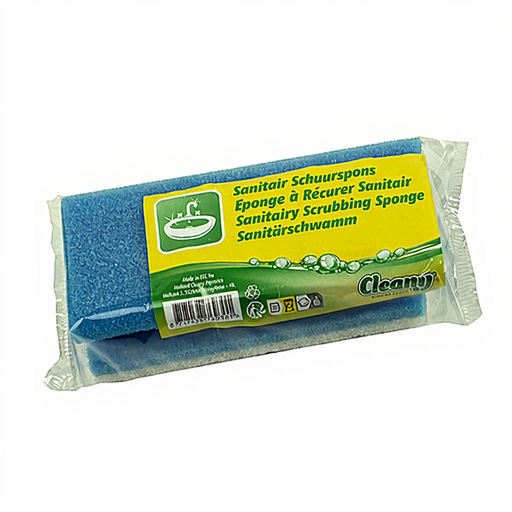
Why it stands out: This bathroom sponge is specifically designed for the challenges of sanitary spaces, such as limescale and soap scum. Its ergonomic shape makes it easier to reach tricky corners and edges.
Pros:
Who is this for? For anyone seeking a specialised solution for hygienically and effectively cleaning the bathroom and toilet.
The products mentioned above are focused on scrubbing and scouring jobs. Are you looking for something else, like a soft sponge for personal care or a specific car sponge?
Explore our full range and find the sponge that suits your needs.
For good hygiene, it is recommended to replace a kitchen sponge used daily every one to two weeks. Sponges used less intensively, such as in the bathroom, can last a bit longer. If the sponge smells musty or is falling apart, replace it immediately.
For non-stick pans, always use a non-scratch scouring sponge. These are made of soft material that will not damage the coating. Classic green scouring pads are unsuitable for this purpose. Check the packaging or product description to ensure the sponge is safe for non-stick surfaces.
Some people clean their sponges in the dishwasher or by placing them damp in the microwave. While this can kill a large portion of bacteria, it is not a substitute for replacing the sponge in a timely manner. The sponge's structure can degrade, and dirt residue often remains. Regular replacement remains the most hygienic method.
