
Vandaag of morgen in huis

Kwaliteit gegarandeerd

Welkomstaanbiedingen ontgrendelen: GRATIS bezorging | Tot 80% korting | Gratis 30 dagen JoyPlus-proefperiode
Download de app
For many, a meal without a bit of heat is unthinkable. Whether you're a seasoned enthusiast of Indonesian or Surinamese cuisine, or simply want to give your everyday dishes a kick, sambal is indispensable. But the shelves are lined with jars promising "authentic flavor" and "extra hot." How do you choose the right chili paste without falling into the usual traps? As a Joybuy Product Recommendation Officer, I'm here to help you separate fact from marketing fiction.
Before you place a jar in your basket, it's wise to know what often goes wrong. Many choices lead to disappointment due to unclear labels and vague promises.
To avoid a bad purchase, focus on a few objective specifications. These characteristics determine the flavor, heat, and quality far more than the marketing on the jar.
The foundation of every sambal is the chili pepper. A sambal oelek is the purest form: a paste consisting mainly of ground red peppers, salt, and an acidity regulator. The percentage of peppers is crucial here. A product with 85% or more peppers offers a pure, potent pepper flavor. For a more specific, often hotter experience, look at the type of pepper used. For instance, a Surinamese sambal made from Madame Jeanette peppers has a completely different character and heat profile than an Indonesian version with Lombok peppers.
Not all sambals are created equal. The preparation method has a major impact on flavor and use.
To help you choose, we've matched a few popular options to different preferences. This selection is based on product specifications and ingredients.
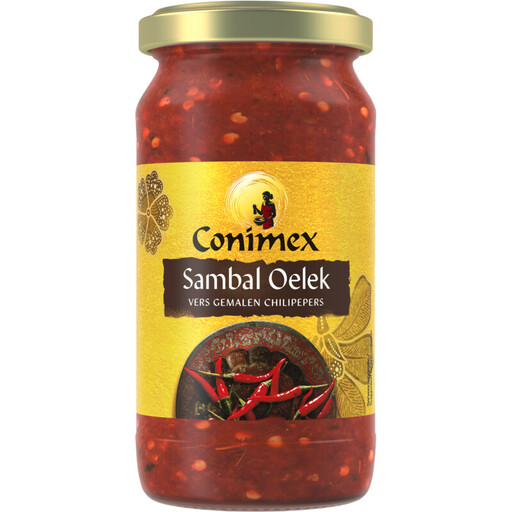
Why This Fits Their Persona: This is the classic, reliable staple found in many kitchen cupboards. Ideal for those seeking a predictable, pure pepper flavor without complex additives. Perfect as a starting point for nasi, bami, or sauces.
This sambal bypasses the "authentic" myth by being straightforward: it's a simple oelek. According to Conimex, it contains 88% freshly ground peppers, ensuring a pure flavor without unnecessary fillers.
High chili percentage (88%) provides an intense and pure heat. A versatile base for countless dishes.
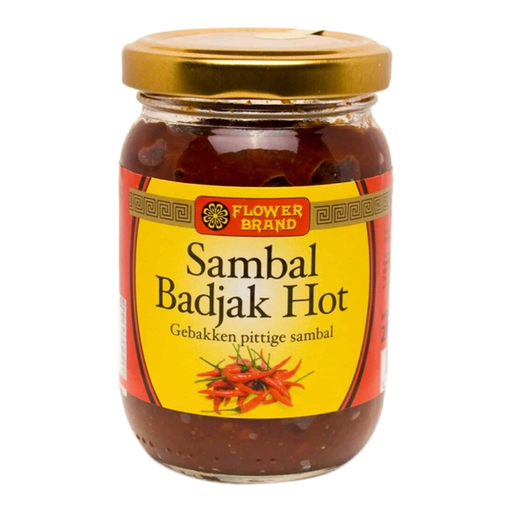
Why This Fits Their Persona: For those seeking more than just heat. This fried sambal badjak offers a deep, savory flavor from the addition of onion, garlic, and spices. The "hot" version gives the complex taste an extra spicy dimension.
This product is clearly a fried sambal, which explains its rich flavor. According to Flowerbrand, their sambals are made without artificial flavor enhancers like MSG (E621), aligning with the desire for a pure product.
Rich, fried flavor from onion and spices. According to the brand, it's made without artificial flavor enhancers.
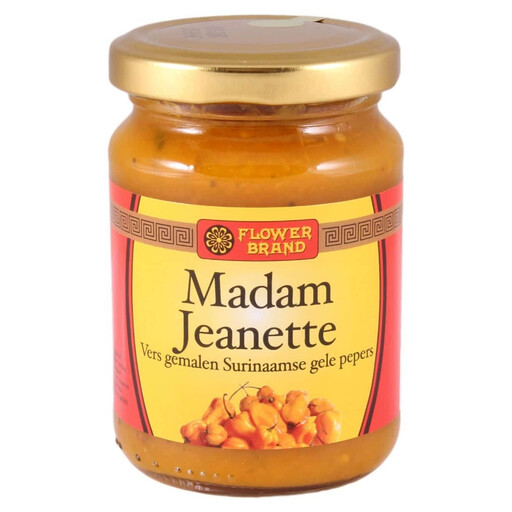
Why This Fits Their Persona: For the serious heat enthusiast. This sambal is specifically made from the notorious Surinamese Madame Jeanette pepper, known for its intense heat and fruity aroma. This is not a sambal for beginners.
This product avoids the pitfall of unpredictable heat. By naming the specific pepper variety (Madame Jeanette) and stating the high percentage (92%), you know exactly what intense heat to expect.
Made with 92% Madame Jeanette peppers for an authentic and extremely hot Surinamese flavor experience.
We've curated a complete, up-to-date list of products that fully meet these strict selection criteria. Find the sambal that perfectly matches your taste.
1. What is the difference between sambal oelek and sambal badjak? Sambal oelek is a raw, pure chili paste consisting mainly of ground peppers and salt. It is a base product with a sharp, fresh pepper flavor. Sambal badjak is a fried sambal. In addition to peppers, it contains fried onion, garlic, and other spices, which provides a deeper, richer, and more complex flavor.
2. How long does a jar of sambal last after opening? Once opened, sambal can often be kept in the refrigerator for several months. The exact shelf life is stated on the packaging. Always use a clean spoon to take the contents out of the jar. This prevents bacteria from getting into the sambal, helping it stay fresh longer. If the sambal changes color, smells strange, or shows signs of mold, it's time to discard it.
3. Which sambal is not as hot? If you want the flavor without the extreme heat, sambal manis is a good choice. This is a sweet, mild variety. A regular sambal badjak is also often milder in taste than a sambal oelek, as the other ingredients temper the heat somewhat. Always read the label and the ingredients list to estimate the level of spiciness.
