
Vandaag of morgen in huis

Kwaliteit gegarandeerd

Welkomstaanbiedingen ontgrendelen: GRATIS bezorging | Tot 80% korting | Gratis 30 dagen JoyPlus-proefperiode
Download de app
A robot vacuum that independently vacuums, mops, empties its dustbin, and cleans its own mop. It sounds like the ultimate solution for a busy household. However, the market is flooded with models that promise the world. Many devices have hidden flaws that only become apparent after purchase. As a Joybuy Product Recommendation Officer, I'm here to help you see through the marketing hype and choose a model that truly takes the work off your hands.
Before you invest, it's crucial to be aware of common issues that can undermine the user experience.
robot vacuum for pet hair), smart navigation, and proper mopping technology, a lot of dirt—especially on hard floors—is simply left behind.To avoid buyer's remorse, pay close attention to the following three technical features. These determine whether a 2-in-1 robot vacuum and mop is truly autonomous.
The term "self-empty station" can be misleading. A true self-cleaning robot vacuum has a station that performs multiple tasks. Check if the station includes the following functions:
A smart vacuum and mop must understand its surroundings. Its navigation technology is crucial for this.
A simple wet cloth dragged behind the robot won't remove stubborn stains. Look for models with active mopping mechanisms.
Based on the criteria above, we have selected several models that suit different types of households.
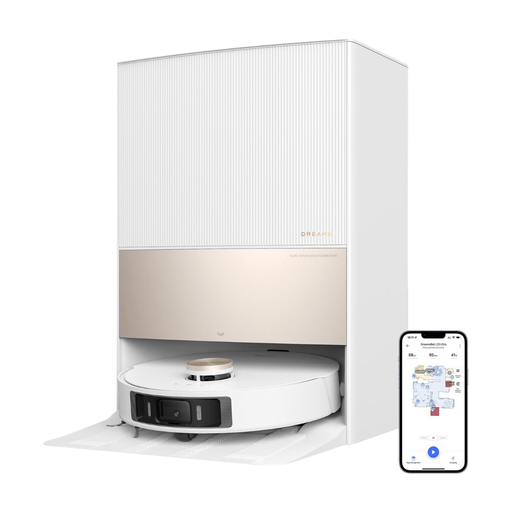
Why This Fits Their Persona: For those who have no time for daily cleaning and own a pet, reliable automation is essential. This model combines powerful suction with smart obstacle avoidance specifically designed to steer clear of unexpected objects.
The fully automatic base station washes and dries the mops, avoiding the "self-cleaning myth." Its AI Action and 3D Structured Light navigation recognises and avoids cables and toys, preventing the robot from getting stuck.
The MopExtend technology extends the mop to clean tightly along baseboards and into corners. Its rubber brush is designed to effectively pick up pet hair without tangling.
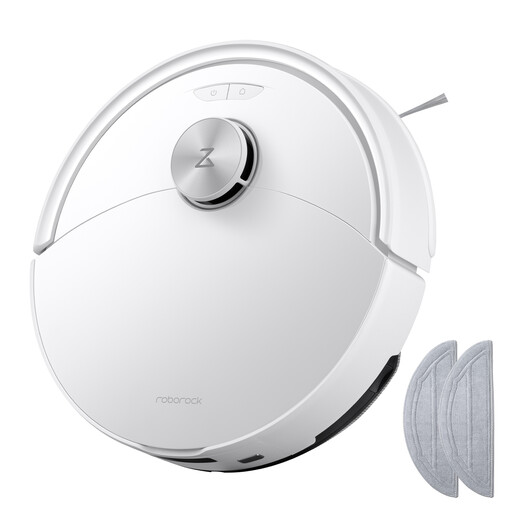
Why This Fits Their Persona: In a home with both hard floors and carpets, a seamless transition between vacuuming and mopping is crucial. This model is designed to perform both tasks in a single cleaning run without requiring manual intervention.
This model directly tackles the problem of wet carpets. The Auto Lifting Mopping feature detects carpet and automatically raises the mop module, allowing the robot to continue vacuuming without soaking the carpet.
The combination of high suction power at 10,000 Pa and the dual anti-tangle system makes it highly effective at picking up dirt and hair on all floor types. Its reliable carpet detection ensures a worry-free cleaning experience.
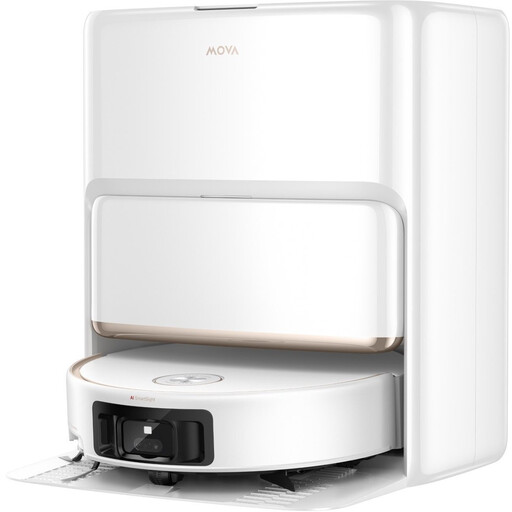
Why This Fits Their Persona: For those seeking the most advanced technology and maximum automation. This model is packed with innovative features that go beyond standard cleaning, such as crossing high thresholds and using dual cleaning agents.
This model tackles the pitfall of poor navigation with its StepMaster 2.0 system, which can cross thresholds up to 8 cm. The MaxiReach technology, featuring an extendable roller, cleans corners that other robots can't reach.
The specifications are impressive: 28,000 Pa of suction power, an extendable mop roller for edges, and a DuoSolution system that automatically dispenses two different cleaning agents for specialised cleaning.
We have compiled a complete, up-to-date list of products that fully meet these strict selection criteria and local regulations.
While these devices are largely autonomous, they still require periodic maintenance. Expect to replace the dust bag in the station and empty/refill the clean and dirty water tanks every 60 to 90 days. Additionally, it's wise to check and clean the robot's sensors and brushes monthly to ensure optimal performance.
Yes, most modern models are safe for sealed hardwood, parquet, and laminate floors. It's important to choose a model that allows you to set the water flow level to low via the app, ensuring the floor doesn't get overly saturated. The automatic mop-lifting feature is also an advantage here, as it prevents a wet mop from sitting stationary on the wood floor if the robot gets stuck or finishes its cycle.
Pascal (Pa) is a standardised unit of pressure, so in theory, 20,000 Pa from one brand is comparable to 20,000 Pa from another. However, real-world effectiveness also depends heavily on other factors. The brush design (e.g., a rubber brush versus one with bristles), airflow efficiency, and the intelligence of the navigation software play an equally significant role in how well dirt is actually picked up. A high Pa rating is a good indicator, but don't get fixated on it.
