
Vandaag of morgen in huis

Kwaliteit gegarandeerd

Welkomstaanbiedingen ontgrendelen: GRATIS bezorging | Tot 80% korting | Gratis 30 dagen JoyPlus-proefperiode
Download de app
As a Joybuy Product Recommendation Officer, I see daily how challenging it can be to make a simple choice at the supermarket. The drinking yoghurt aisle is a prime example. The packaging vies for your attention with claims about fruit and health, but what are you really buying? Before you place another carton in your cart, let's examine the common pitfalls that might lead you to make a choice that isn't right for you or your family.
A common complaint is the deception of "healthy" labels. A drink might be packed with fruit, but also with a significant amount of sugar you weren't expecting. Another pitfall is the difference between fresh and shelf-stable versions. A shelf-stable drinking yoghurt is convenient for the pantry, but many people wonder if this comes at the expense of taste or nutritional value. Finally, a special offer on a drinking yoghurt value pack might seem appealing, but if the contents don't match your consumption habits, it will just end up forgotten at the back of the fridge.
To avoid a purchase you'll regret, there are a few specifications you should always check on the label. This will take you ten seconds in the store but save you disappointment at home.
The term red fruit drinking yoghurt sounds naturally healthy, but the reality is often different. The most important factor to check is the sugar content.
Not every red fruit yoghurt drink has the same base. The composition determines the texture and nutritional value, particularly the protein content.
There is no "right" or "wrong" base; it depends on your personal preference. If you're looking for a creamier, more filling drink, look for products based on fermented milk. For a lighter, more thirst-quenching drink, a whey-based version might be a better choice.
Based on clear product specifications, we have selected a number of options that suit different needs and situations.
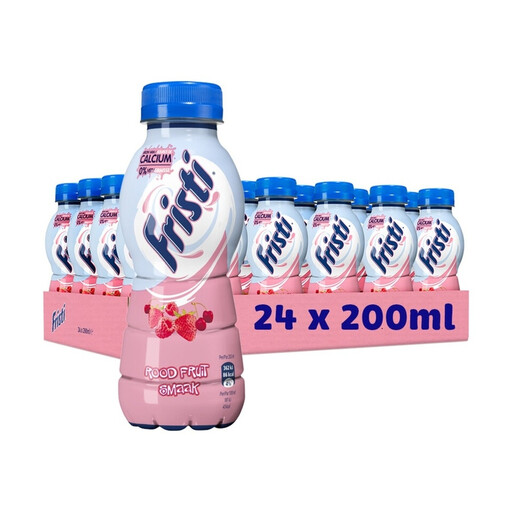
Why This Fits Their Persona: For families looking for convenience and a well-stocked pantry. The individual cartons are ideal for school breaks or on the go. A value pack from a well-known brand that kids love.
This is a shelf-stable drinking yoghurt, so you don't have to worry about the value pack expiring quickly. The convenient portion sizes prevent waste.
Long shelf life and convenient 200 ml cartons. Made with Dutch meadow milk and a source of calcium.
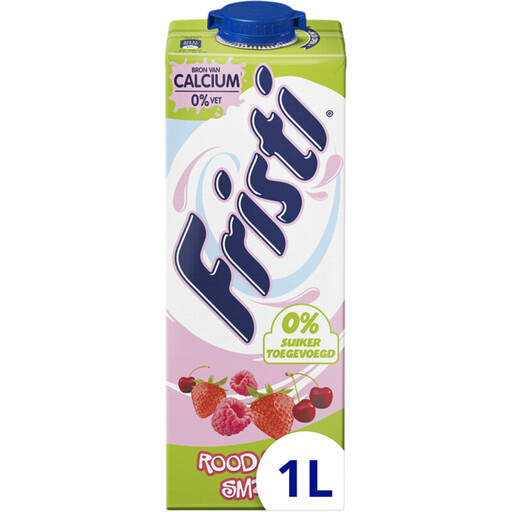
Why This Fits Their Persona: Perfect for those who consciously monitor their sugar intake but still want to enjoy the classic Fristi taste. This version is a low-fat drinking yoghurt and fits well into a health-conscious lifestyle.
It directly tackles the "hidden sugar" pitfall with the clear "0% added sugar" claim. The sweet taste comes from sweeteners, which is transparently stated on the packaging.
Contains 0% fat and no added sugars. It is a source of calcium and has a higher protein content (4g per 100ml) than the regular version.
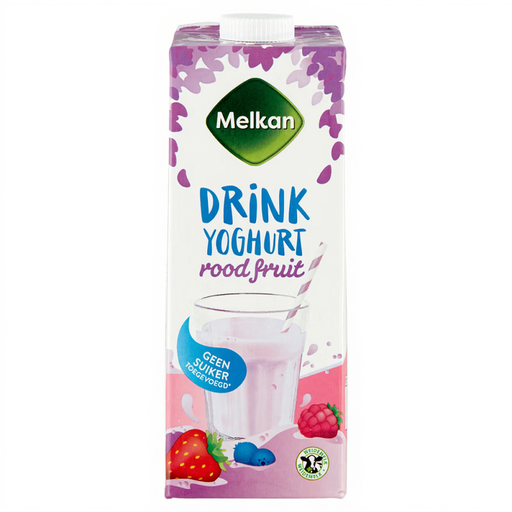
Why This Fits Their Persona: A straightforward and affordable option for the home. This one-litre carton of Melkan drinking yoghurt is ideal for a quick glass at breakfast or as a snack. No-frills, just a tasty yoghurt drink.
This product is transparent about what it is: a simple, shelf-stable drinking yoghurt. The ingredients list is clear and the price is competitive, so you know exactly what you're buying.
Long shelf life, so you always have some on hand. The base of fermented skim milk provides a relatively high protein content (1.8g per 100ml) for a product in this price range.
We have compiled a complete, up-to-date list of products that meet these selection criteria and comply with Dutch regulations.
Although the terms are often used interchangeably, there is a subtle difference according to food regulations. Yoghurt must contain specific lactic acid bacteria. A "yoghurt drink" doesn't always have to meet those precise requirements and can, for example, be made from a whey powder base. In practice, as a consumer, you'll notice little difference in taste or texture.
A shelf-stable drinking yoghurt can be stored for months outside the refrigerator while unopened. Once the carton is opened, you must store it in the fridge (max. 7°C). Most manufacturers advise consuming the product within a few days (usually 3 to 4). Always check the advice on the packaging.
A healthy yoghurt drink is a relative term. Red fruit drinking yoghurt can be a source of calcium and is often an easier way to get children to consume dairy than a glass of milk. However, it is important to pay attention to the sugar content. A version with 0% added sugar is a more conscious choice. Think of it as a snack and not as a substitute for a piece of fresh fruit or a glass of water.
