
当日/次日达

品质保障

开启新人专享福利: 全场免邮 | 低至 2 折 | 免费试用 30 天 JoyPlus 会员
下载 Joybuy
Looking for a quick, flavourful meal? Instant noodles are often the go-to choice. But the selection is vast, and not every package lives up to its promise. An image of flames doesn't always mean you're getting spicy noodles with a deep flavour. And nothing is more disappointing than a bowl of soggy noodles in a watery broth. As a Joybuy Product Recommendation Officer, I'm here to help you make the right choices, so you spend your money on ramen noodles that truly meet your expectations.
Before you stock up, it's wise to be aware of a few common pitfalls:
ramyun combines heat with savoury, umami-rich flavours from ingredients like garlic, gochujang, or fermented bean paste.Korean noodles have a complex, balanced base. A good broth is the soul of the meal.To avoid the disappointments mentioned above, you can look for a few specific details on the packaging. This will help you see past the marketing and make an informed choice.
The texture of the noodles defines a large part of the experience. The ingredients list provides important clues.
Nongshim often use a mix of wheat flour and potato starch. This creates a signature springy and ‘chewy’ texture that doesn't easily become mushy.instant noodles are pre-cooked and then fried to remove moisture and extend their shelf life. This also contributes to the flavour and the speed at which they cook. There are also non-fried versions, which are often seen as a lighter option.The seasonings determine whether you get an authentic experience. Look beyond just "spicy" or "chicken."
kimchi ramen, the ingredients list should include dried kimchi or kimchi seasoning. This gives the broth its characteristic sour and spicy depth.ramen noodles often offers more flexibility to add your own ingredients, like an egg or fresh vegetables. Cup noodles, on the other hand, are the ultimate quick meal for on-the-go or at the office, as you only need boiling water.Below are a few popular choices, matched with different preferences. These aren't "winners," but rather specific examples that suit a particular taste or situation.

Why This Fits Their Persona: This is the global standard for Korean ramyun. The flavour is a perfect balance of spicy and savoury, making it an ideal choice for those seeking the classic Korean noodle experience.
The broth is anything but one-dimensional. The mix of chili, garlic, and dried vegetables creates a deep, complex flavour. The noodles, made with potato starch, remain firm.
Iconic, savoury, and spicy flavour. The springy noodles are a hallmark of the Nongshim brand.
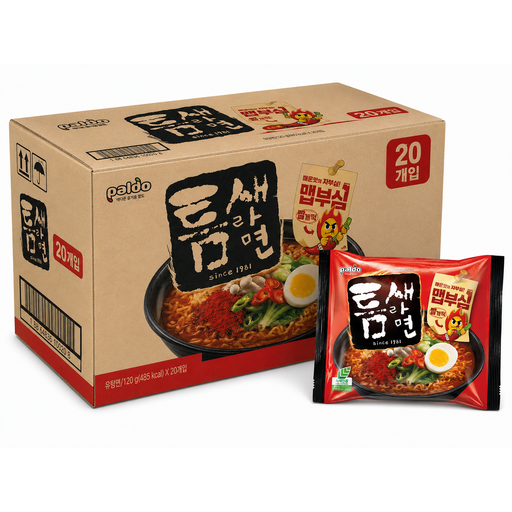
Why This Fits Their Persona: For those seeking serious heat, Teumsae Ramyun is a well-known name. These noodles are notorious for their intense spiciness that goes beyond the average instant noodle.
This product avoids the 'spicy without flavour' trap. The heat is prominent but is supported by a rich, savoury broth. It's not just hot; it's also flavourful.
Delivers an authentic, very spicy experience. The noodles are firm and pair well with the intense broth.
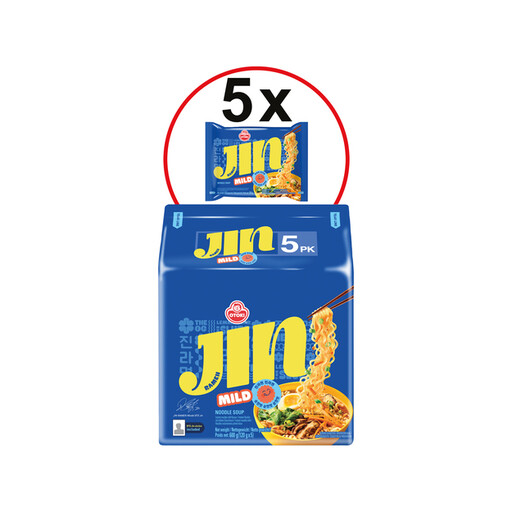
Why This Fits Their Persona: Want the rich flavour of Korean ramyun without the intense heat? Jin Ramen Mild is a popular choice in South Korea precisely because it has a deep, savoury taste without being overwhelmingly spicy.
This product proves that 'mild' doesn't have to mean 'bland.' It avoids the pitfall of a watery broth by offering a complex base that is rich in umami but remains accessible for those who don't like spicy food.
Rich, flavourful broth with a mild spiciness. The noodles are soft but maintain a good texture.
We have compiled a complete, up-to-date list of products that fully meet these strict selection criteria and current regulations.
1. How can I make my instant noodles taste better? A simple way to elevate your quick meal is by adding extras. A soft-boiled or fried egg is a classic. Other popular additions include a slice of cheese (melts deliciously in the hot broth), some chopped green onions, leftover meat, or even a handful of spinach wilted in at the end.
2. What is the difference between Japanese ramen and Korean ramyun? Although the terms are often used interchangeably, ramen usually refers to the Japanese version, which often has a broth based on miso, shoyu (soy sauce), or tonkotsu (pork bones). Ramyun is the Korean interpretation. It is typically spicier, with a characteristic red colour from chili, and the instant noodles are often thicker and more springy.
3. Are cup noodles a good choice? Cup noodles are ideal for maximum convenience. You don't need a pot or a bowl, just hot water. This makes them perfect for the office, university, or while travelling. Packet noodles, on the other hand, often offer a slightly larger portion and more room for your own creativity, as you prepare them in a pot. The choice depends on your priority: convenience or flexibility.
