Choosing a protein shake can feel like navigating a crowded marketplace. The shelves are lined with tubs and bags, each promising different results. Some focus on muscle growth, others on weight loss, and still others are entirely plant-based. With all the marketing jargon, it's easy to lose sight of the factual differences.
This guide is designed to bring clarity. We'll focus on specifications and objective criteria, so you can make an informed choice that aligns with your goals and dietary needs.
What to Look for When Buying Protein Powder
Before you make a decision, it's helpful to understand the basics. The effectiveness of a protein shake depends on its composition and how it fits your body and training regimen.
1. Type of Protein
The source of the protein is the most important distinction. The most common types are:
- Whey Concentrate: This is the most common form of whey protein. In addition to protein, it contains a small amount of fats and carbohydrates (lactose). It's a great all-around choice for muscle recovery and growth.
- Whey Isolate: This is a more refined form of whey. It contains a higher percentage of protein (often over 90%) and is virtually free of fat, carbohydrates, and lactose. This makes whey isolate a suitable option for those with lactose intolerance or anyone following a strict low-carb diet.
- Plant-Based Proteins: A vegan protein shake is typically based on sources like pea, rice, soy, or hemp. Modern formulas often combine multiple plant sources to provide a complete amino acid profile, which is crucial for muscle growth.
2. Your Goal
Your personal goal determines which type of protein powder is most suitable.
- Muscle Growth: A shake with high protein content and a complete amino acid profile is essential. Both whey and high-quality plant-based blends are suitable for this purpose.
- Muscle Recovery: Protein contributes to muscle repair after a workout. A shake immediately post-exercise can support this process.
- Weight Loss: If you're using a shake as part of a calorie-deficit diet, look for low sugar and fat content. A whey isolate is often a logical choice here.
3. Ingredients and Nutritional Value
Always check the label. Pay attention to the protein content per serving (usually between 20 and 25 grams), the amount of sugar, and the presence of added sweeteners or fillers. A shorter ingredient list often indicates a purer product.
Our Top Picks for 2026
Based on product specifications, we have made a selection of different types of protein shakes.
Body&Fit Whey Isolate XP Chocolate 2 kg (71 servings)
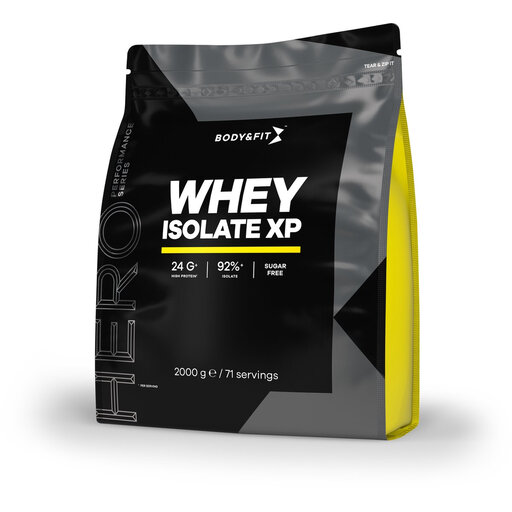
- Why we chose it: This product stands out for its high protein percentage and minimal carbohydrate and fat content. It's a pure form of whey isolate, produced using a cross-flow membrane filtration process.
- Benefits (Pros):
- Protein Content: 25 grams per serving.
- Composition: Sugar-free and fat-free.
- Purity: Contains 92% protein.
- Best for: Athletes looking for the purest possible protein source with minimal calories from fats and sugars. Also suitable for individuals on a low-carb diet.
View product details
Body&Fit Whey Perfection Vanilla Milkshake 2.26 kg (81 servings)
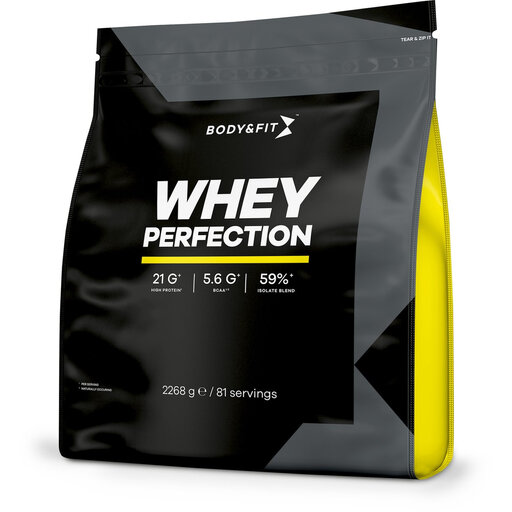
- Why we chose it: This shake combines three different types of whey protein: isolate, concentrate, and hydrolysate. According to the manufacturer, this blend ensures balanced absorption. The main component is whey isolate.
- Benefits (Pros):
- Protein Content: Up to 23 grams per serving.
- Composition: Low in sugar.
- Blend: Contains a blend of three whey sources.
- Best for: Athletes looking for an all-around protein shake for post-workout recovery or as a protein-rich supplement throughout the day.
View product details
Optimum Nutrition 100% Gold Standard Plant Protein Double Rich Chocolate 684g (20 Servings)
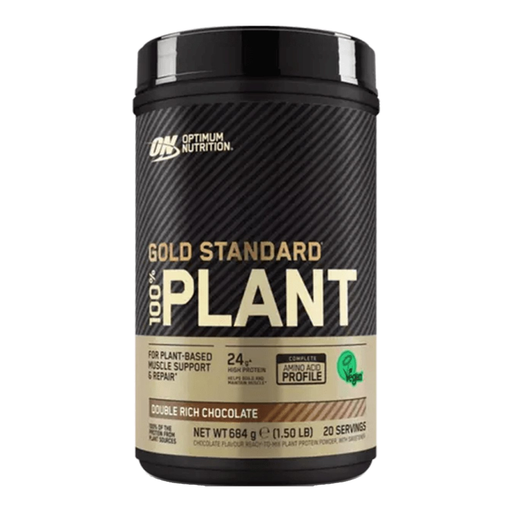
- Why we chose it: This is a fully plant-based option, based on a blend of pea and rice protein. According to Optimum Nutrition, this combination delivers a complete amino acid profile, which isn't always a given with a vegan protein shake.
- Benefits (Pros):
- Protein Content: 24 grams of plant-based protein per serving.
- Composition: Free from artificial colours, flavours, and sweeteners.
- Certification: USDA-certified and contains no genetically modified ingredients (non-GMO).
- Best for: Vegans, vegetarians, or anyone looking for a dairy-free protein source without compromising on protein content.
View product details
Didn't Find What You're Looking For? Discover More Options
Buying the right protein shake is a personal decision. The products above represent popular choices in their respective categories, but the selection is much larger. If you're looking for different flavours, package sizes, or specific formulas, you can browse our full range.
Browse All Protein Powder Shakes
Frequently Asked Questions (FAQ)
1. When is the best time to take a protein shake? The most recommended time is within 30 to 60 minutes after your workout to support muscle recovery. Protein contributes to muscle repair after physical exertion. However, you can also have a shake at other times, such as a protein-rich snack or to supplement a meal that is low in protein.
2. Do protein shakes help with weight loss? A protein shake can be a tool for weight management. Protein provides a greater feeling of satiety than carbohydrates or fats, which can help limit overall calorie intake. A shake can serve as a low-calorie meal replacement or a nutritious snack. However, it's not a magic bullet; a negative energy balance (burning more calories than you consume) remains the foundation of weight loss.
3. What is the difference between whey concentrate and whey isolate? The main difference lies in the processing and purity. Whey concentrate undergoes basic filtration and contains about 70-80% protein, with the remainder consisting of fats and lactose. Whey isolate is filtered further, resulting in a higher protein percentage (90%+) and significantly less fat and lactose. This makes isolate a more suitable choice for people with lactose intolerance or those who are very strict about their carbohydrate and fat intake.
Written by the Joybuy Product Recommendation Officer