
Vandaag of morgen in huis

Kwaliteit gegarandeerd

Welkomstaanbiedingen ontgrendelen: GRATIS bezorging | Tot 80% korting | Gratis 30 dagen JoyPlus-proefperiode
Download de app
Whether you want to build muscle mass, recover faster after a workout, or supplement your diet, a good protein shake can be a practical tool. But the market is flooded with tubs and bags that promise the world. Many products are unnecessarily expensive, packed with sugar, or contain less protein than you think. This guide will help you make the right choices, based on facts, not glossy marketing.
Before you buy a protein shake, it's important to know what to look for. Many people make the same mistakes, tempted by attractive packaging or vague claims.
To avoid these pitfalls, focus on a few verifiable specifications. These determine the quality and suitability of a protein powder for your goal.
The source of the protein is the most important factor. The most common types are:
Don't be misled by the total protein content per 100 grams. What matters is what you get per shake. A good guideline for muscle growth is a shake with at least 20 grams of protein per serving. If you're using a protein shake for weight management, pay extra attention to the amount of sugar and fat. A product with less than 2 grams of sugar per serving is a wise choice.
Nobody likes a lumpy, milky shake. Solubility is often determined by the quality of the filtration and the emulsifiers used (like sunflower or soy lecithin). A new trend is clear whey: a powder that dissolves into a light, juice-like drink. This is a refreshing alternative for those who are tired of traditional, creamy shakes.
Below are some products that score well on the above criteria, matched to specific user profiles.
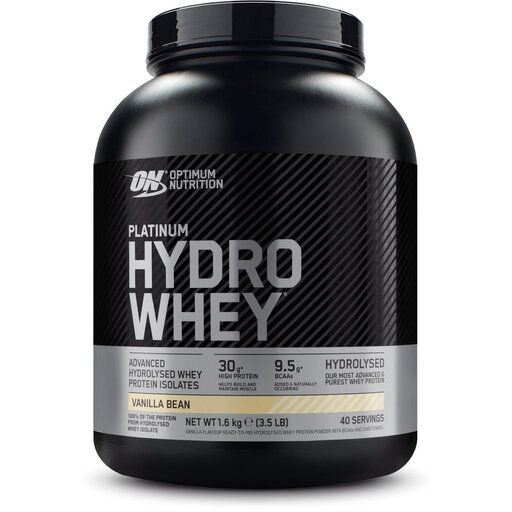
Why This Fits Their Persona: This user seeks maximum efficiency for muscle recovery. Hydrolysed isolate is absorbed extremely quickly, which is ideal immediately after a tough workout.
This product uses 100% hydrolysed whey isolate as its sole protein source. No vague "blends," just pure, fast-absorbing protein.
Delivers 30 grams of protein per serving and is designed for the fastest possible absorption by the muscles.
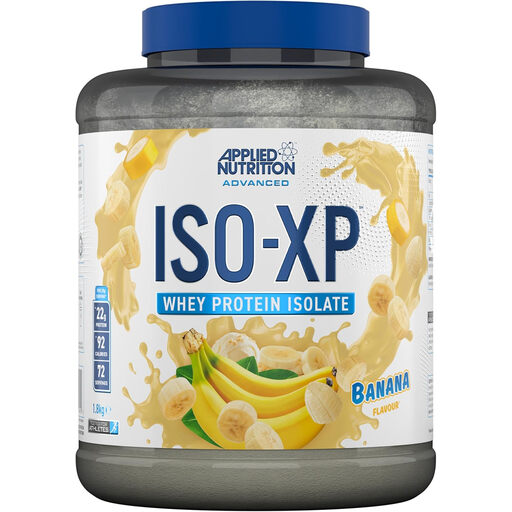
Why This Fits Their Persona: Perfect for those looking to buy a protein shake for weight loss or who follow a strict diet. The focus is on high protein content with minimal extra calories.
This product tackles the "hidden sugars" pitfall. Per 25-gram serving, it contains less than 1 gram of sugar, fat, and carbohydrates.
Offers a very high protein percentage (90%) with only 89 kcal per serving. Ideal for increasing protein intake without disrupting your diet.
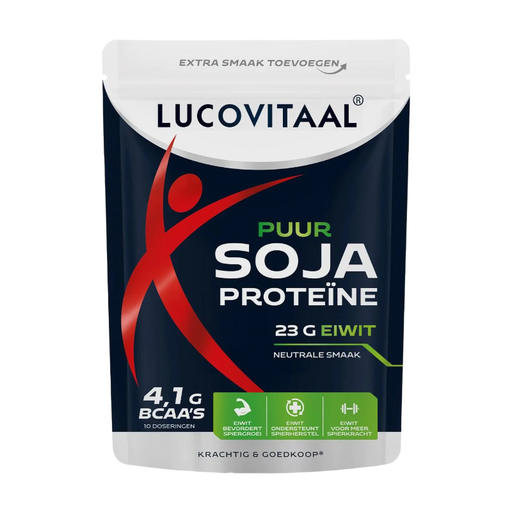
Why This Fits Their Persona: For anyone following a vegan diet or looking to avoid lactose. This product offers a high-quality, plant-based protein source without any animal products.
This is a pure product: 100% soy isolate with no added flavours, colours, or sweeteners. You have complete control and avoid hidden sugars.
Contains 23 grams of protein per serving and a complete amino acid profile. Its neutral taste makes it versatile for shakes, smoothies, or baking recipes.
We have compiled a complete, up-to-date list of products that fully meet these strict selection criteria and local regulations.
The most popular time is within 30-60 minutes after your workout to support muscle recovery. However, a protein shake can also be useful as a high-protein snack, as a supplement to a low-protein meal, or in the morning to start your day with a protein boost.
Yes, a protein shake can be a tool for weight loss. Protein promotes a longer feeling of satiety, which can help reduce overall calorie intake. In that case, choose a shake that is low in sugar and fat, such as a whey isolate or a sugar-free vegan protein shake. It remains a dietary supplement and is not a substitute for a varied diet and a healthy lifestyle.
The main difference lies in the processing and purity. Whey protein concentrate is the basic form and contains about 70-80% protein, with more lactose and fat. Whey isolate undergoes an additional filtering process, which increases the protein content to 90% or more and significantly reduces the amount of lactose and fat. Isolate is absorbed more quickly and is often a better choice for people with lactose sensitivity or for those following a very 'clean' diet.
