
Vandaag of morgen in huis

Kwaliteit gegarandeerd

Welkomstaanbiedingen ontgrendelen: GRATIS bezorging | Tot 80% korting | Gratis 30 dagen JoyPlus-proefperiode
Download de app
A protein bar seems like a simple choice: convenient, quick, and a great supplement to your diet. However, the market is flooded with options that don't always deliver on their promises. Many bars are just glorified candy bars with clever marketing labels. Before you buy a box of protein bars, it's helpful to know what to look for. This will help you avoid a bad purchase and choose a product that truly fits your goals.
The selection is enormous, which makes things difficult. Many consumers fall into the same traps, driven by attractive packaging and big promises.
To avoid the pitfalls, it's useful to check three key specifications on the packaging. These provide an objective view of what you're buying.
The most important part of a protein bar is, of course, the protein. Don't just look at the total amount, but also at the ratio. A 60-gram bar with 20 grams of protein is a good guideline for effective muscle recovery. The source of the protein is also relevant. Milk proteins like whey and casein are efficiently absorbed by the body. Plant-based sources like soy or pea protein are good alternatives.
A good low-sugar protein bar should ideally contain no more than a few grams of sugar per bar. Manufacturers often use polyols (like maltitol or glycerol) as sugar substitutes. These provide fewer calories but can cause stomach or intestinal issues in some people with excessive consumption. Check the label under "carbohydrates, of which sugars" and "of which polyols."
A short and understandable ingredient list is often a good sign. If the list starts with sugar, syrup, or an unrecognisable chemical ingredient, it's probably not the most nutritious choice. Look for bars where a protein source (like milk protein) is listed first. This indicates that the main ingredient is actually protein, not a filler.
Based on objective product specifications, we have highlighted several popular choices that suit different needs.
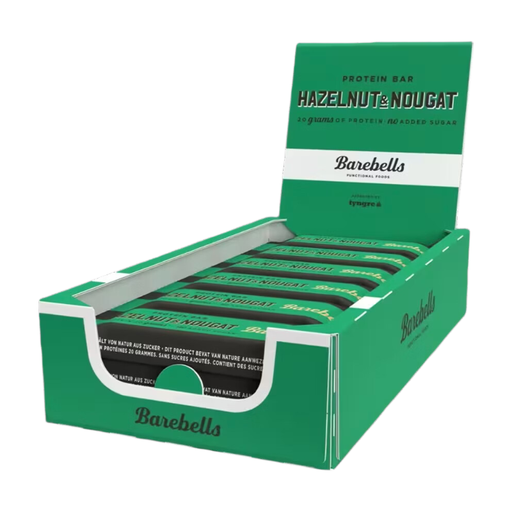
Why This Fits Their Persona: For those who refuse to compromise on taste for function. This bar is often described as a treat that doesn't taste like a typical, dry protein bar, making it an ideal reward after a tough workout.
Avoids the taste disappointment by offering a soft texture and rich flavor, without being a sugar bomb (less than 2 grams of sugar per bar).
Delivers 20 grams of protein per 55-gram bar. The combination of taste and nutritional value makes it a popular choice.

Why This Fits Their Persona: For those seeking maximum protein intake per gram. This bar is purely focused on performance, delivering a very high concentration of protein in a compact size.
Avoids the calorie trap by offering an extremely high protein density. You get a lot of protein for relatively few calories (179 kcal per bar).
Delivers 25 grams of protein in a bar of just 50 grams. This is a protein percentage of 50%, which is exceptionally high in the market.
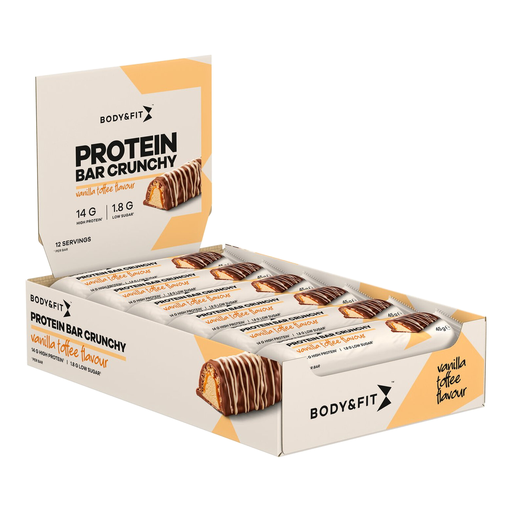
Why This Fits Their Persona: Perfect as a balanced, healthy snack for in-between meals. Not too heavy, but nutritious enough to satisfy cravings and provide a dose of protein without overdoing the calorie or sugar intake.
This bar is not a disguised candy bar. With only 1.8 grams of sugar and 170 kcal, it's a sensible choice that bypasses the "healthy sugar bomb" pitfall.
Offers a great balance with 14 grams of protein and a crunchy texture, which provides a more satisfying eating experience than many soft bars.
We have compiled a complete, up-to-date list of products that fully meet these strict selection criteria and local regulations.
A protein bar is versatile. You can eat it as a post-workout snack to support muscle recovery, typically within 30-60 minutes after your training. It's also suitable as a nutritious snack to bridge the time between meals and prevent cravings, or as a healthier alternative when you're in the mood for something sweet.
Polyols, or sugar alcohols, are often used to sweeten bars without adding sugar. For most people, they are not a problem in normal quantities. However, for those with a sensitive digestive system or when consuming multiple bars per day, they can have a laxative effect or cause bloating. It's a personal consideration whether you react well to them.
Store a box of protein bars in a cool, dry place, away from direct sunlight. Most bars have a chocolate coating that can melt in the heat. The pantry or a kitchen cabinet is usually a great spot. In the summer, the refrigerator can be an option, although this might make the bar's texture slightly harder.
