
Vandaag of morgen in huis

Kwaliteit gegarandeerd

Welkomstaanbiedingen ontgrendelen: GRATIS bezorging | Tot 80% korting | Gratis 30 dagen JoyPlus-proefperiode
Download de app
Opening a bottle of port often marks the start of a special occasion—whether it's served with a cheese board, as an after-dinner drink or simply on a quiet evening. But when you're standing in the aisle or browsing online, the choice can be overwhelming. Ruby, Tawny, white or even rosé? The world of Portuguese port is rich and diverse.
This guide is designed to help you make your choice. We'll skip the complex wine jargon and marketing fluff, focusing instead on practical information. We'll explore the different styles and offer a few concrete recommendations for various tastes and occasions, so you can order your next bottle of port with confidence.
Before you make a choice, here are a few key points to help you find the right bottle.
The colour of a port is the first and clearest indicator of its flavour profile. There are four main styles:
port cocktail.The occasion often determines the best choice.
Based on specifications and flavour profiles, we have selected a few popular choices for you.
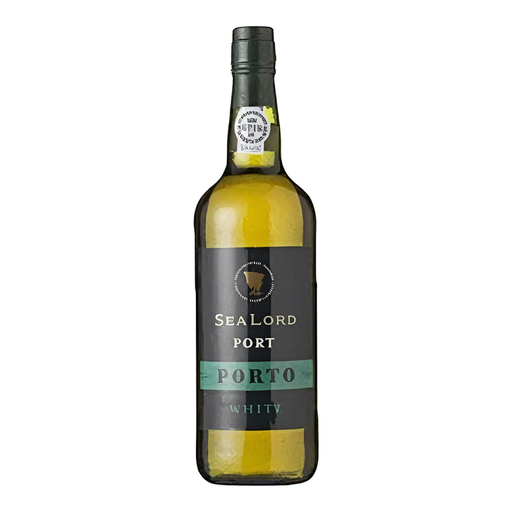
Why It Stands Out This white port is a versatile drink. It is specially crafted to be enjoyed both neat (well-chilled) and in a mixed drink. Its fresh and fruity notes make it very approachable.
Advantages
Who Is It For? For those looking for a refreshing aperitif or who enjoy experimenting with a port cocktail. A modern and light introduction to the world of port.
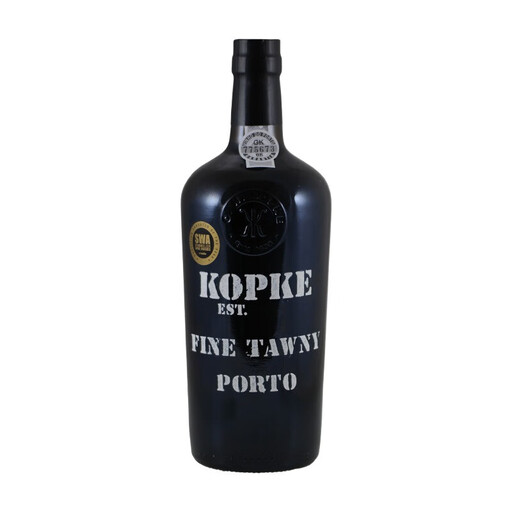
Why It Stands Out Kopke port is renowned as the oldest port house. This Tawny is a blend of different vintages that have been aged for at least three years. According to the producer, the grapes are hand-harvested, and fermentation occurs at a controlled temperature for optimal flavour development.
Advantages
Who Is It For? For the enthusiast of a classic, aged port with a smooth and complex taste. An excellent choice for a cheese board or a nut tart.
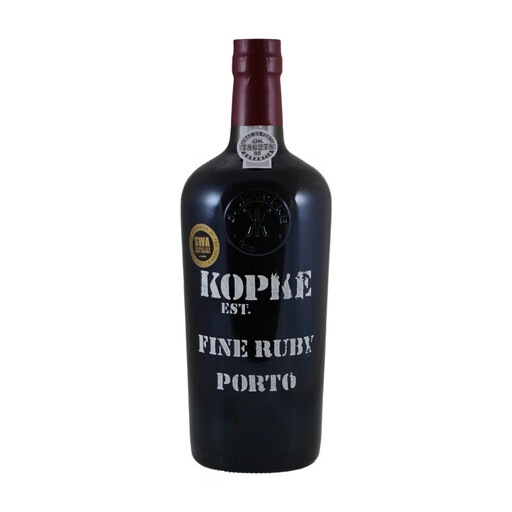
Why It Stands Out This Ruby from Kopke is the epitome of a young, fruity port. The limited wood ageing ensures that the intense fruit flavours can fully shine. It is a vibrant and juicy port.
Advantages
Who Is It For? For those who love a powerful, fruit-driven wine. It's a great entry point for anyone wanting to discover Portuguese port, but also a reliable choice for the experienced drinker looking for a good port with cheese.
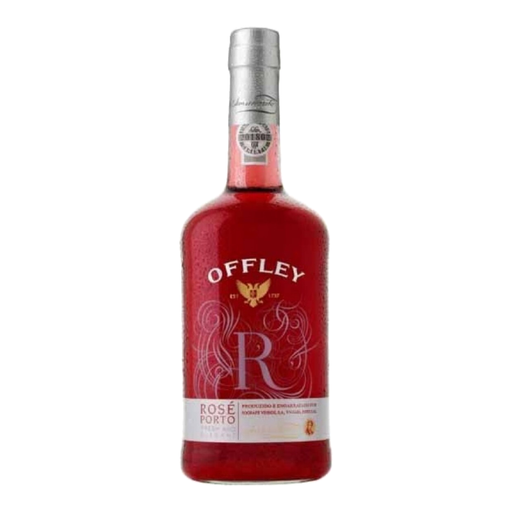
Why It Stands Out This rosé port from Offley is a fresh and innovative variation. With its light colour and refined aromas of tropical fruit, it offers a different port experience from the traditional styles.
Advantages
Who Is It For? For the adventurous drinker who is open to trying something new. A perfect choice for a sunny day, with light desserts or as a surprising aperitif.
If port isn't quite what you're looking for, or if you'd like to try another fortified wine from Southern Europe, the world of fortified wines is vast. For example, why not explore our range of sherry wine.
1. How long can you keep an opened bottle of port? This depends heavily on the type. A young Ruby or LBV (Late Bottled Vintage) port is best consumed within a few days to a week after opening, as the fruity flavours fade quickly. A Tawny port has already had more contact with oxygen during ageing, making it more stable. An opened bottle of Tawny, if tightly sealed and stored in a cool place, can last for several weeks or months.
2. What is the difference between Ruby and Tawny port? The main difference is the ageing process. Ruby port is aged for a short time in large casks, retaining its deep red colour and fruity taste. Tawny port is aged longer in small wooden barrels, which gives it a lighter, brownish colour and develops flavours of nuts and caramel. Simply put: Ruby is fruity and young; Tawny is nutty and aged.
3. Should port be served cold? White and Rosé ports are best served cold, around 8-12°C (46-54°F), just like a white wine. For Ruby and Tawny ports, a slight chill is recommended, around 12-16°C (54-61°F), or cellar temperature. Serving it too warm can make the alcohol seem overpowering, while serving it too cold mutes the complex aromas.
