
Vandaag of morgen in huis

Kwaliteit gegarandeerd
Download de app
Categorieën

Choosing the right jar of pitted olives can sometimes feel like a gamble. You're looking for convenience for a quick salad, a charcuterie board, or a pasta dish, but you end up with olives that are too salty, too soft, or tasteless. The goal of this guide is to help you make an informed choice based on product features and intended use, ensuring your next purchase hits the mark.
Before we look at specific products, here are some objective criteria to base your choice on.
Olive Variety and Flavour Profile: Not all olives are created equal. The variety largely determines the taste and texture.
Processing and Brine: The way olives are preserved affects their final taste. Most pitted olives are stored in brine (a saltwater solution). The salt concentration can vary by brand. Some are marinated in oil, which softens the flavour.
Origin: The region of origin, such as Andalusia in Spain or Kalamata in Greece, is often an indicator of a specific flavour profile characteristic of that region.
Below is a selection of products, chosen based on their specifications and potential uses.
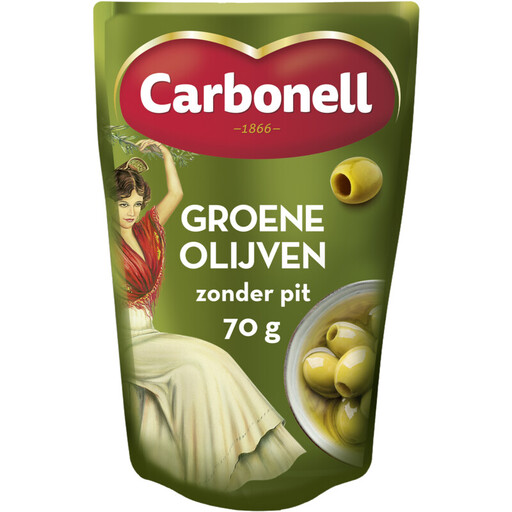
Why This Product These green olives from Carbonell are of the Manzanilla variety, ripened under the Spanish sun. The Carbonell brand has a long history dating back to 1866 in Córdoba, a region renowned for its olive cultivation. This product is a classic choice for those seeking a reliable, mild olive.
Advantages
Who It's For This is a great choice for home cooks looking for a versatile green olive that isn't overpowering. Ideal for assembling a tapas platter or as a pantry staple.
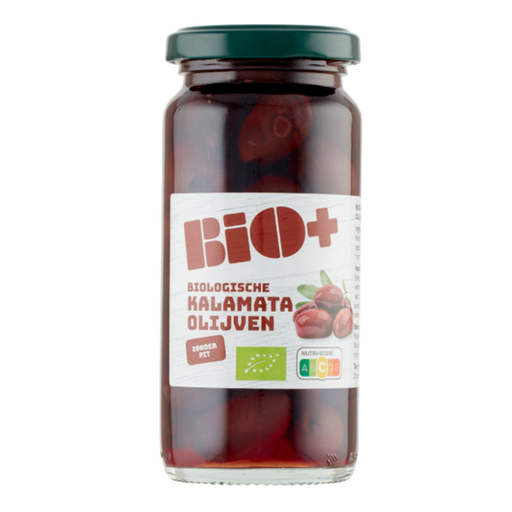
Why This Product These Kalamata olives from the B+ brand originate from the protected Greek region of Kalamata. They are distinguished by their characteristic almond shape and deep, fruity flavour. According to the manufacturer, they are hand-picked and preserved in brine using traditional methods.
Advantages
Who It's For For the enthusiast of a more pronounced olive flavour. These olives are an excellent addition to Greek salads, Mediterranean stews, or as part of a gourmet charcuterie board.
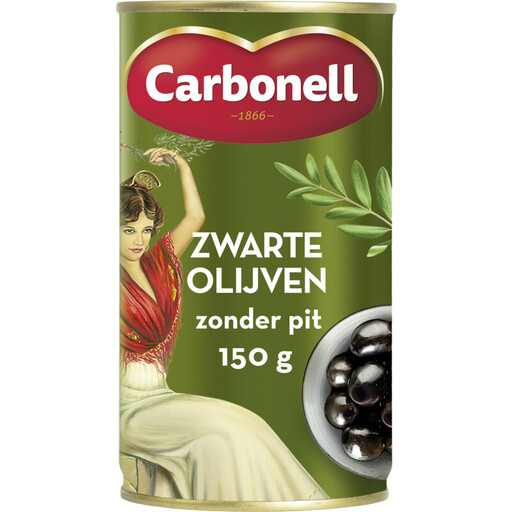
Why This Product These black olives from Carbonell are of the Hojiblanca variety. This type is known for its intense flavour and firm structure. Like the green version, this product benefits from the long tradition of the Carbonell olives brand in Spanish olive cultivation.
Advantages
Who It's For Ideal for those who prefer the deeper, more mature flavour of black olives. A great choice for cooks who want to add a robust taste to their dishes.
These three products offer a great starting point for various tastes and applications. However, the range of pitted olives is much broader, with variations in herbs, oils, and olive types. Are you looking for a different variety or simply want to compare more options?
1. What is the difference between green and black olives? The main difference is the time of harvest. Green olives are picked unripe, resulting in a firmer texture and an often slightly bitter or nutty taste. Black olives are harvested ripe. This gives them a softer texture and a richer, more fruity and intense flavour.
2. How should I store an opened can or jar of olives? After opening, it's best to store olives in their original liquid (brine or oil) in a sealed container in the refrigerator. This way, they will stay good for several weeks. It is not recommended to store them in an opened can, as the metal can react with the contents.
3. Are pitted olives less flavourful than olives with the pit? There is a common belief that olives with the pit retain more flavour because their structure remains intact. The pitting process can slightly affect the texture. However, for many everyday applications, such as in salads or pasta, the difference in taste is negligible for most people, and the convenience of pitted olives outweighs this.